

Composite Deck Installation in Austin, TX
Capped composite and capped polymer decks built for Hill Country sun. Hidden fasteners, correct joist spacing for Texas heat, and long fade and stain warranties from major composite manufacturers.
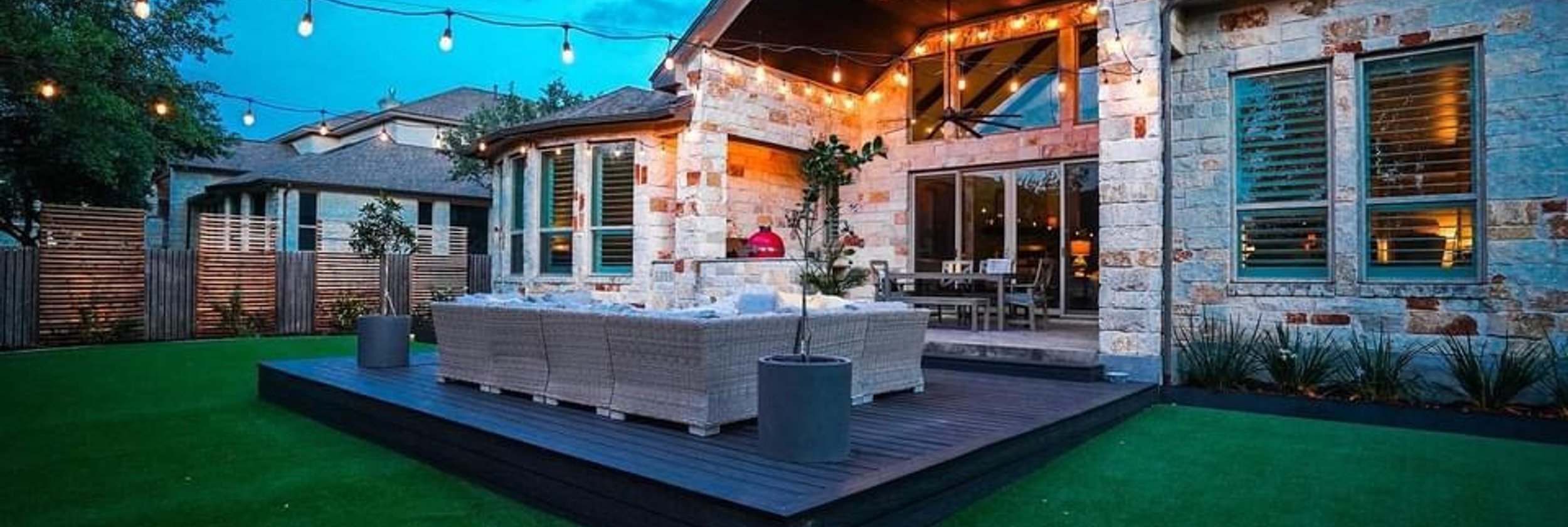
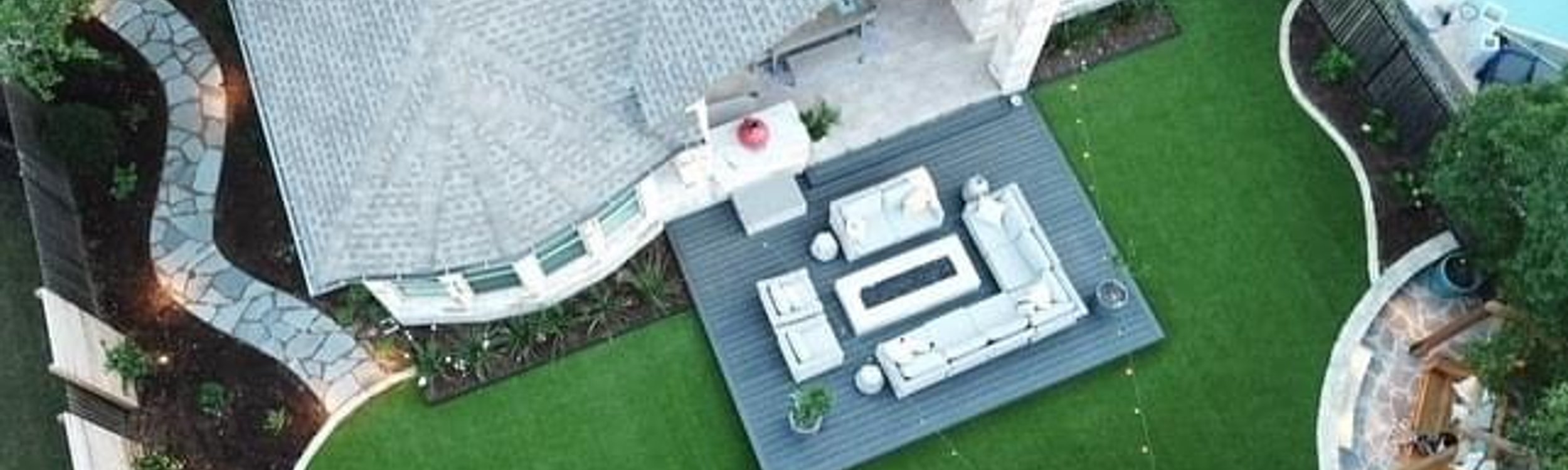
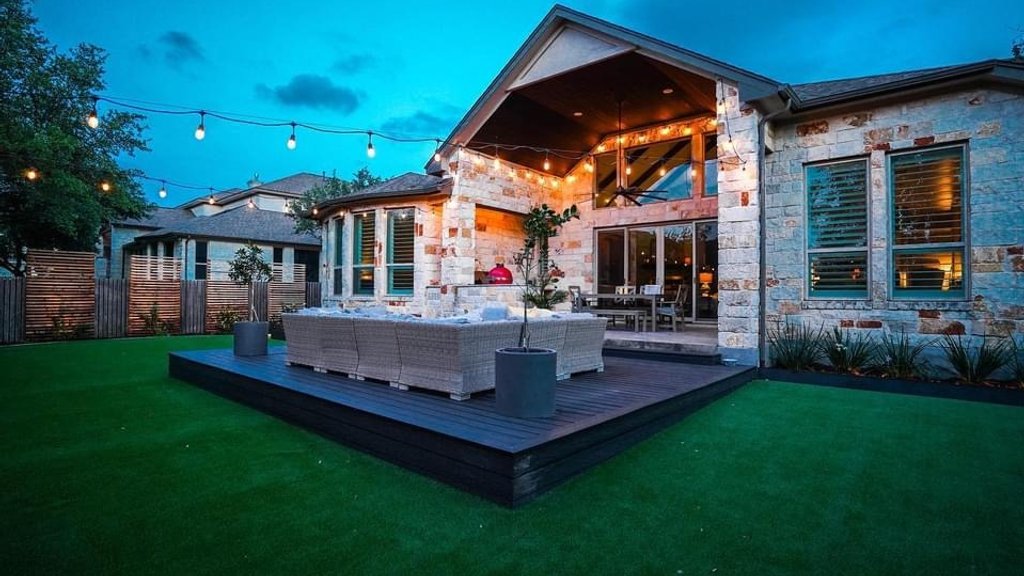
Composite decks make sense in Austin for one reason most of all, the maintenance window. Pressure-treated pine wants a sand and re-stain every couple of summers under our UV. Capped composite and capped polymer skip that loop entirely. The cap is the finish. You clean it, you use it, and you spend your weekends actually on the deck instead of refinishing it. We install lines from well-known manufacturers including Trex, TimberTech, and Fiberon, paired with hidden fastener systems and a substructure sized for Texas heat cycles so the boards stay flat and gap-correct year after year. Every install is bid in writing, scheduled with a real timeline, and built with a crew that has put down a lot of composite in Hill Country sun.
Learn More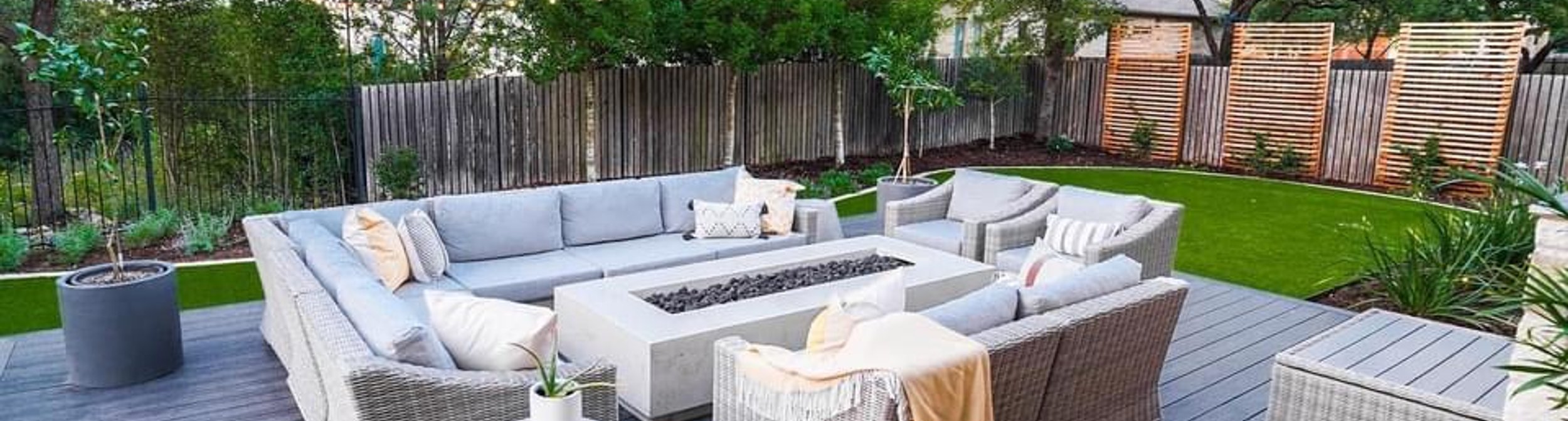
- 500+ Projects Completed
- 19+ Years Experience
- 5/5 Average Rating
Full-Service Austin Deck Builder
Wood Deck Installation
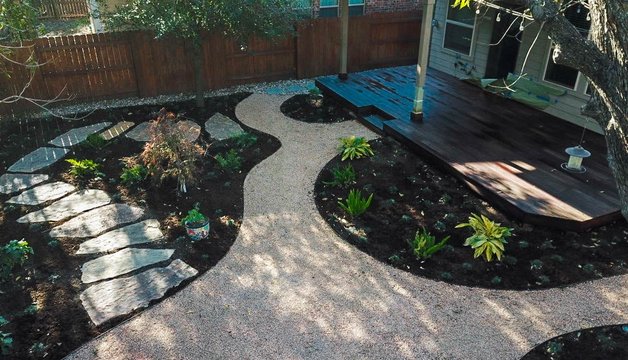
Pressure-treated, cedar, and hardwood decks built for the way real Austin yards actually drain, settle, and shade.
Learn More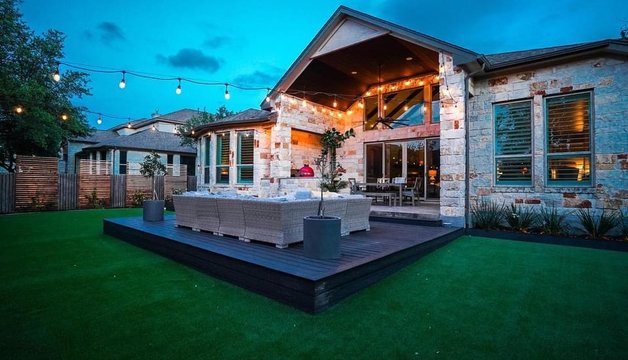
Custom Deck Construction
Built-in benches, planters, lighting, and shade structures designed around your house and your yard.
Learn More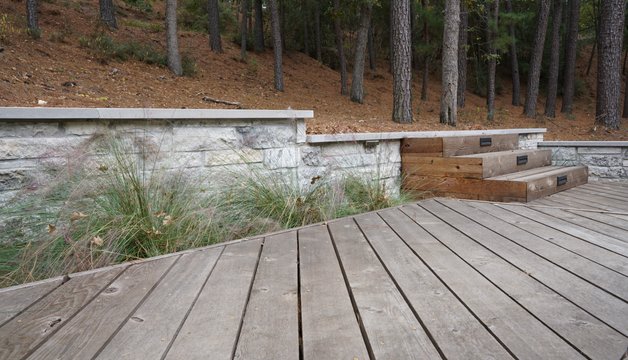
Multi-Level Deck Construction
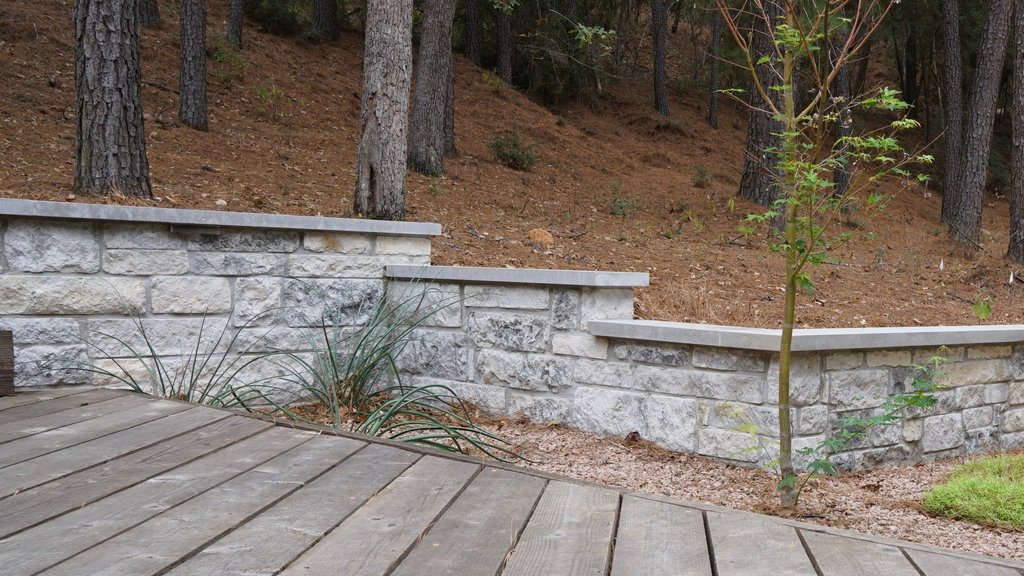
Stepped, terraced, and tiered decks that follow sloped Hill Country lots instead of fighting them.
Learn More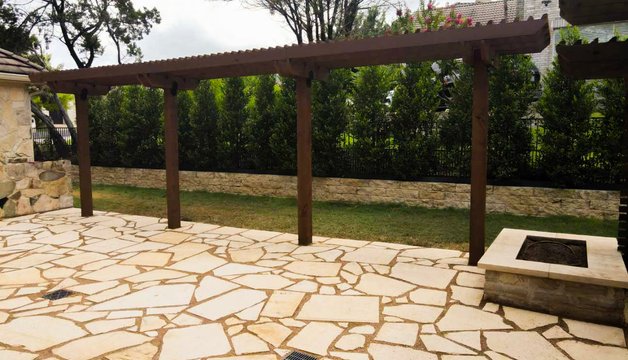
Austin Deck Builder
See every deck service we offer in the greater Austin area, from new builds to additions and railings.
Learn More
Our Process
Material & Color Selection
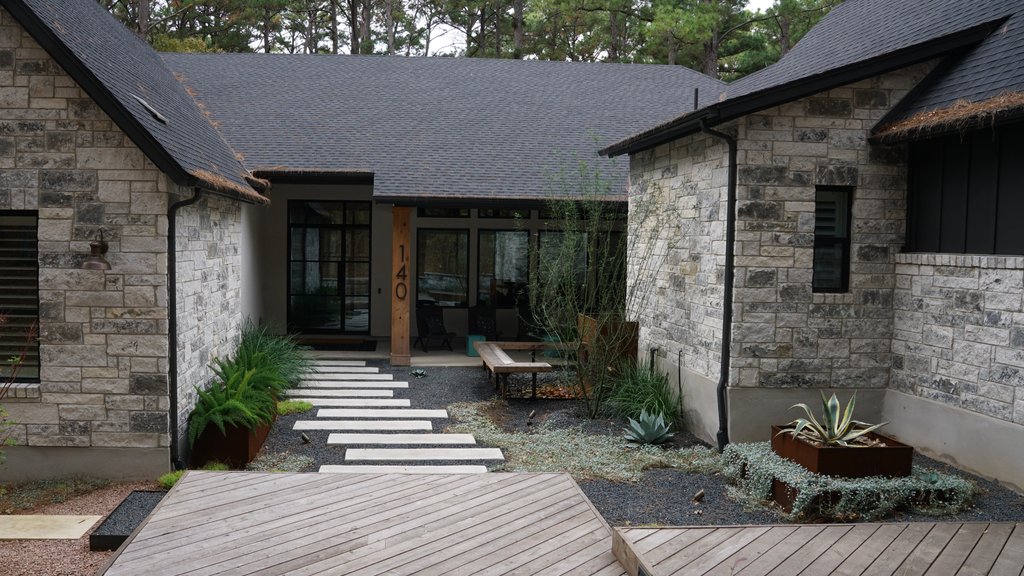
We start with physical samples on your deck site, not a brochure. You see capped composite and capped polymer (PVC) boards side by side in real Austin light, against your house color and existing hardscape. We talk through how sun exposure on your specific yard affects surface temperature, since darker colors run noticeably hotter in Texas afternoons. Then we narrow down to a product line and color that matches the way you actually use the space.
Framing & Substructure
Composite is only as straight and flat as the frame underneath it. We build a substructure of pressure-treated wood or steel framing for premium long-life installs, sized to the joist spacing your composite line actually requires. That usually means 16 inches on center for perpendicular boards and 12 inches on center for diagonal or 45-degree patterns. We flash the ledger to the house, set proper post footings, and pull permits where the City of Austin Development Services requires them.
Install With Hidden Fasteners
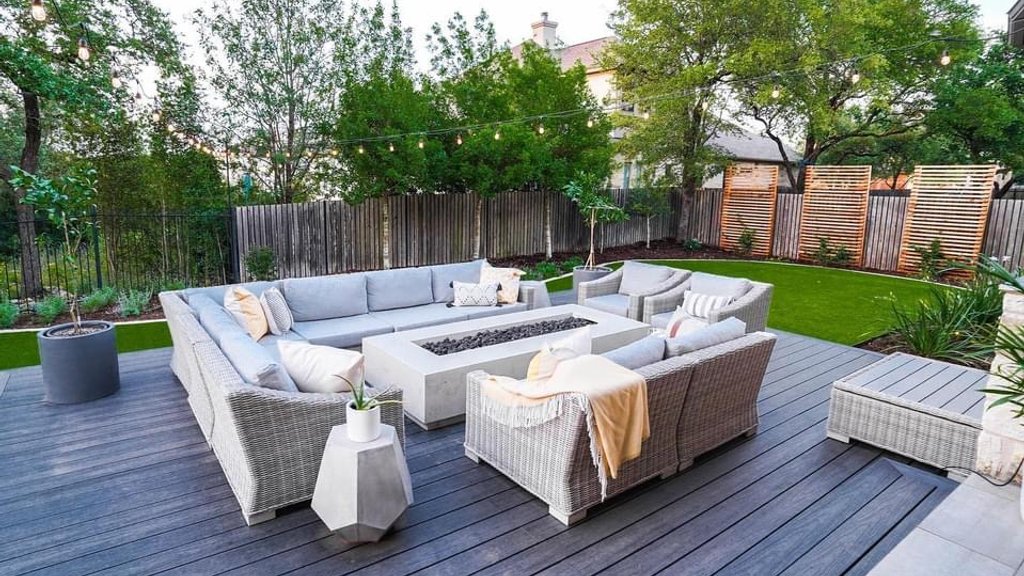
Boards go down with a hidden fastener system so the surface stays clean and unbroken, no rows of exposed screws. We follow each manufacturer’s gap and expansion rules so the deck handles Austin heat cycles without buckling. Cut ends are sealed where required, and we keep gapping consistent across the entire field so the deck reads as one finished plane instead of a patchwork.
Railings & Finish
We finish with the railing system that fits the build, composite, aluminum, cable, or glass, plus stair treads, fascia, and skirting. The warranty paperwork is registered in your name, we walk you through care and cleaning, and we leave you with a deck that does not need staining or annual re-seal. You get a final punch-walk before sign-off so nothing gets missed.
Austin’s Trusted Composite Deck Builder
Travis, Luis and the crew did an amazing job on our front yard landscaping. Travis had a vision that we could've never come up with on our own. They were communicative, hard working and had incredible attention to detail. We were really impressed with our experience and will… Read more

We’ve been very impressed with Travis and his team at Thrive Landscaping. From the initial design consultation through revisions and installation, the entire process was smooth, thorough, and high quality. We needed an HOA-compliant design that improved drainage and reduced… Read more
Travis was very responsive on the pricing . Luis and the crew did an amazing job and fixed a lot of problems that the prior firm had created. Very pleasant group and seem to want to please clients.
Great people providing outstanding service. Our yard has never looked better. And best of all, they stand behind their work. If something needs attention after the job is finished, they’re right on it.
After interviewing several companies, we chose Thrive Landscape to create some hardscaping for our back yard. They installed stone paving for our patio and pool area, a gravel area for our fire ring, and a raised gravel pad for a greenhouse. Everything looks great! We had a good… Read more
Thrive replaced some dying plants in a white rock bed and left it clean and beautiful. You would never know they had been in the rock bed at all - no dirt, no disruption - they left it better than they found it!
Our neighbor a few houses down had Thrive do his property and we liked how it looked, so we decided to contact them to see what it would cost to do our house. Wanted to get rid of the sand burrs and decided to do stone, rock and mulch for the whole yard in front of the house. I… Read more
We have used Thrive landscape for several projects over the past two years. They have delivered outstanding service, careful attention to detail, and impeccable service and care after the project was complete. Travis Odom is outstanding, and his vision helped us transform our… Read more
We were very pleased with Thrive from the initial bid to the completion of the project. We had our front yard and backyard landscaped. Communication was excellent and when a couple issues occurred they were quickly resolved. The onsite crew was great to work with and were… Read more
Excellent service and advice. Knowledgeable, on time, communicative owner, and crew. This is the place you want to call for your landscaping needs! We are extremely satisfied with the outcome and will use the service again. Thank you Travis and crew.
I was really pleased with Thrive. Travis arrived exactly on time for the quote, had a great design, and was able to start quickly once the plans were approved by my HOA. The crew was polite and worked quickly. They left the whole worksite very neat, and my front yard now looks… Read more
Had grass that was dead, Travis and his team transformed my backyard in a few days!
I am a repeat customer of Travis's. He recently transformed my front yard. The design was perfect for what we wanted to accomplish and the crew did high quality work which included clean-up. I will keep coming back to him in the future.
Thrive is a very professional and excellent business - they did a wonderful job on my project and I couldn't be more pleased with the end results. Will definitely use them again!
I had an outstanding experience with Thrive. Quality, honesty, value and customer service were phenomenal! Exceeded my expectations!
Swapped out black stone that were killing my plants with mulch. Added a bunch of plants and sod. Also got my irrigation and stone walkway complete. I say it is all looking great.
I don't know where to begin. Travis and his team provided an amazing landscape design, strategy, and results on our backyard for my 50th birthday celebration. Travis was patient and very detailed with his quote and made sure he covered every detail with me. Once we decided to… Read more
I’ve done two projects with these guys to include a landscaping project where I added sod, metal planters, and plants. The second was a fence repair and both turned out great. They were fairly priced, scheduled quickly, executed on time, and worked through my lunch list at the… Read more
We chose Thrive Landscaping after a friend of ours used them for their own backyard and we could not be happier with our decision. Travis and team were incredibly professional, thorough and communicative the entire time. They added new grass, flowers, gravel and lights to our… Read more
Travis with Thrive Landscape & Design did an amazing job redesigning our backyard! They were hard-working, timely, responsive and appreciated their craftsmanship they put into the project. The space looks better than we imagined — highly recommend!
Wow! Travis and his team did an amazing job refreshing our back yard! They were professional, prompt, respectful and above all had an eye for detail! It was an absolute pleasure working with them to create our dream back yard! I highly recommend Thrive Landscape and DESIGN… Read more
Our project was the tear-out, re-design and rebuild of a fairly substantial deck. Great experience with Travis Odom and Thrive Landscape. Travis is congenial, professional and great to work with. The guys on site did excellent work. We’re very happy with the finished product and… Read more
Mr Travis Odom made an excellent, unique, and original cedar fence design that we ended up using.
Great design and construction for my landscaping project. Travis and his crew were very attentive and detailed. They also took on board our feedback and we’re very willing to evolve their designs.
Travis did a great job fixing the drainage along the side of my house! Was very responsive, timely, and reasonably priced. Would reach out to again for any future landscaping needs.
Travis was very responsive and did an excellent job designing our difficult yard. We LOVE the end result and can’t wait to do phase two. Can’t say enough how happy we are with the design!
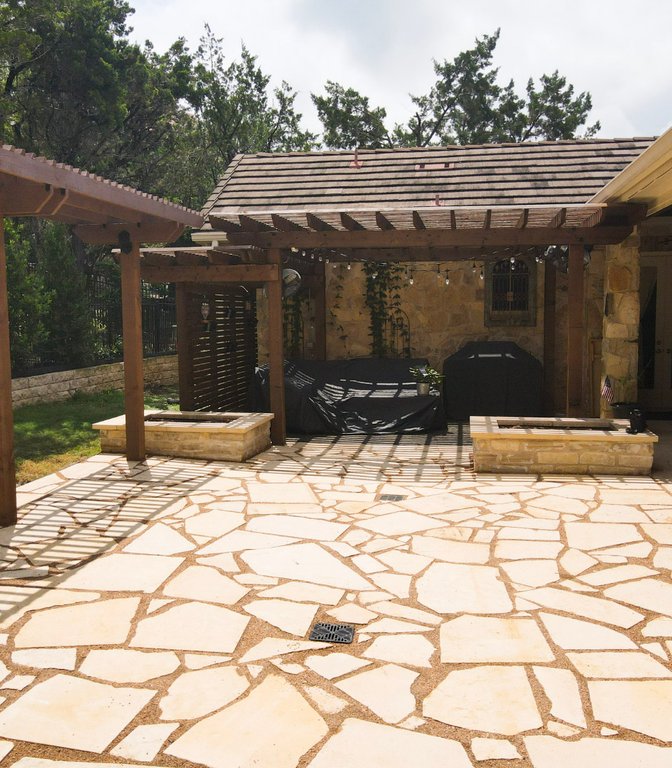
Signs Composite Is Right for You
Capped Composite & Capped Polymer Decks
Composite is not the right answer for every Austin home. It is the right answer when you want the deck to disappear off your weekend task list and stay good-looking for 25 to 30 years under Hill Country sun. If any of the points below sound like you, capped composite or capped polymer is worth a serious look.
Request A QuoteComposite never needs staining and never needs annual re-seal. Soap, water, and a soft brush handle most cleaning. That is the trade for the higher upfront cost.
Premium capped composite and capped polymer lines come with long fade and stain warranties from major composite manufacturers, typically 25 to 30 years on the board itself.
Hidden fastener systems are the standard on composite installs. The surface reads as one continuous plane with consistent gapping and no field of screw heads.
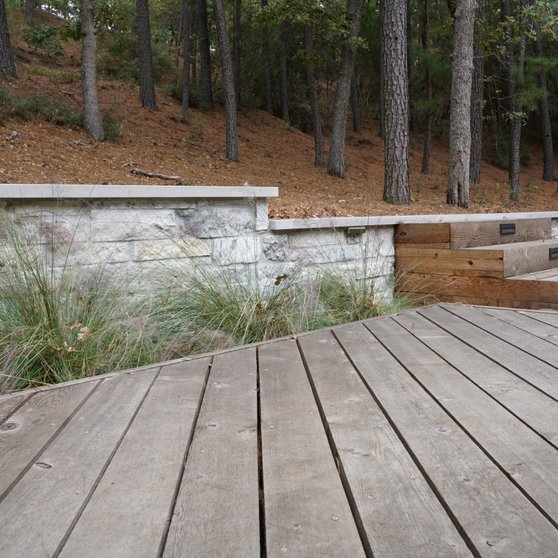
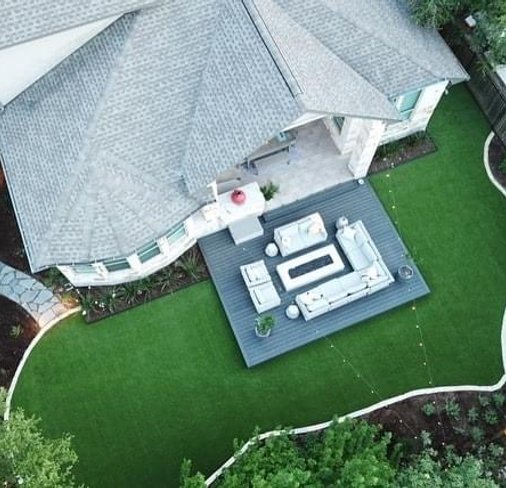
Why Choose Thrive Landscape and Design?
Built For Texas Heat
We size joist spacing, gapping, and color choice for Hill Country sun, so the deck stays flat, stays light enough to walk on, and holds its look.
Long-Life Substructure
Pressure-treated wood framing on standard builds and steel framing on premium long-life installs, so the substructure outlasts the boards.
Hidden Fastener Standard
Hidden fastener clips on every composite install. No exposed screw heads across the field, no patterned grid distracting from the boards.
Warranty Registered In Your Name
We register the manufacturer fade and stain warranty in your name at install and hand you the documentation package so transfer at resale is straightforward.
Composite Decks Across The Greater Austin Area
We install composite and capped polymer decks across Austin and the surrounding Hill Country, from new backyard builds to teardown-and-replace projects on aging wood decks. Helpful local references include NADRA for industry standards and the City of Austin Development Services for permitting questions.
- Lakeway
- Driftwood
- Westlake Hills
- Round Rock
- Lake Point
- Bee Cave
- Shoal Creek
- River Place
- Cedar Park
- Steiner Ranch
- Pflugerville
- & more
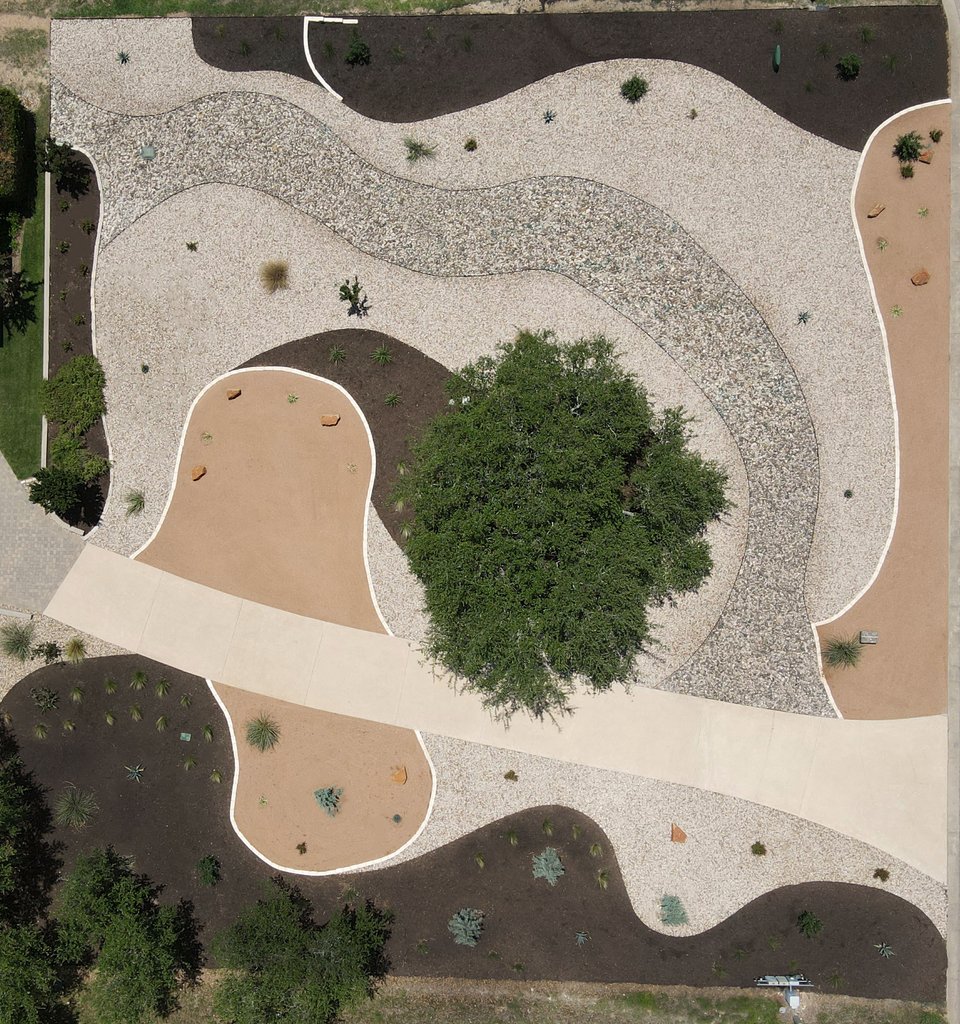 Dripping Springs Hill Country Xeriscape
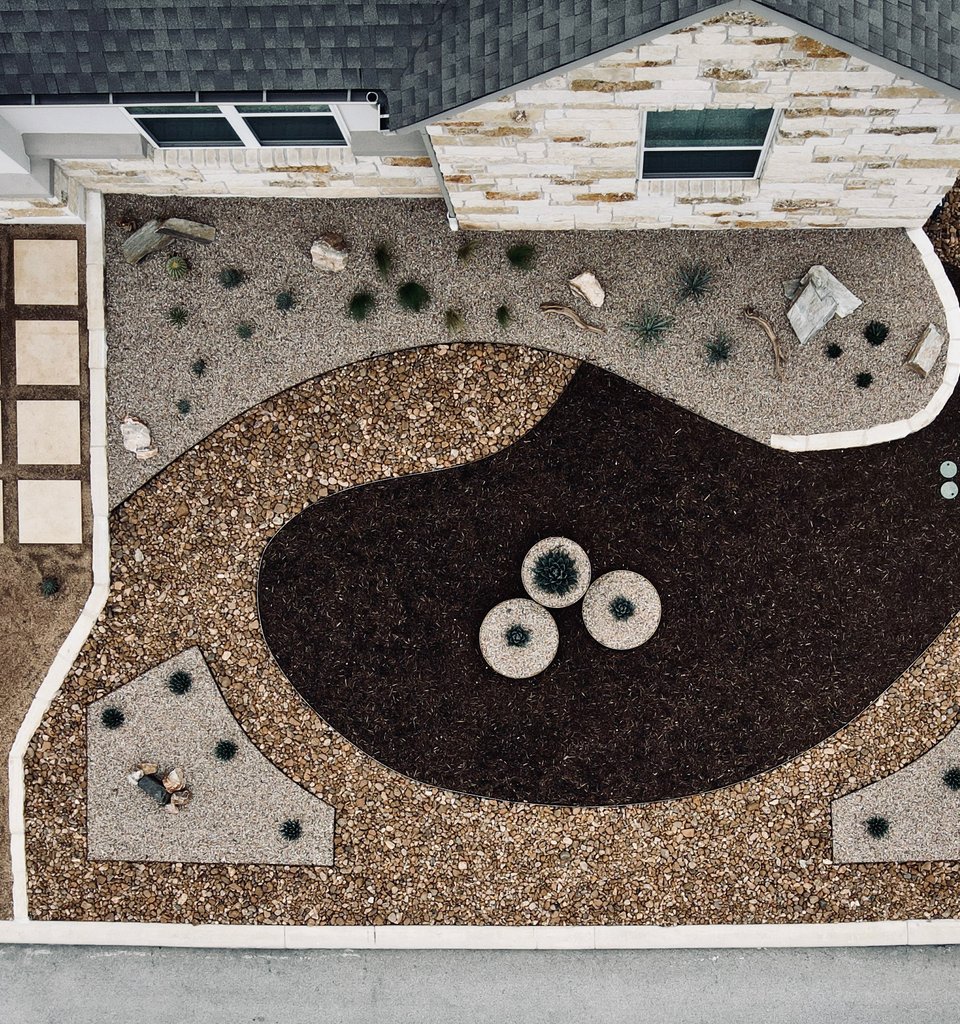 Spicewood Front Xeriscape
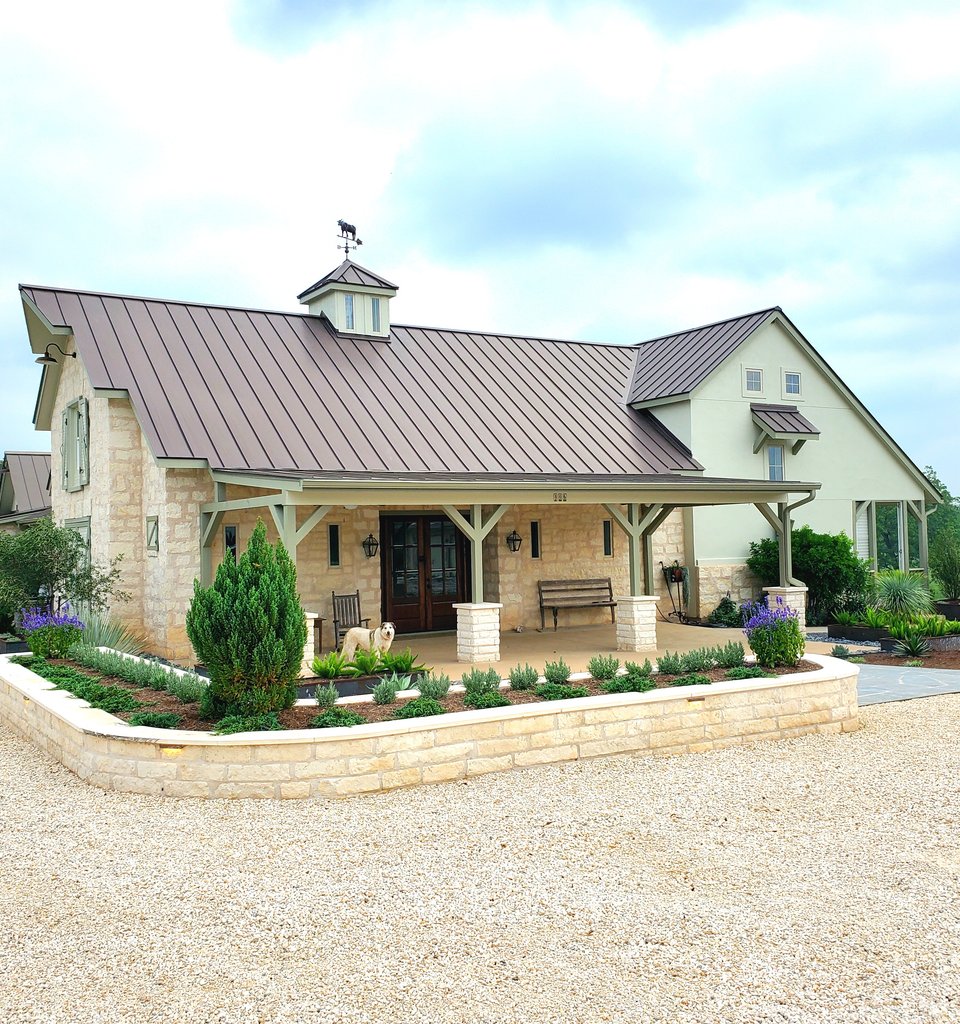 Smithville Ranch
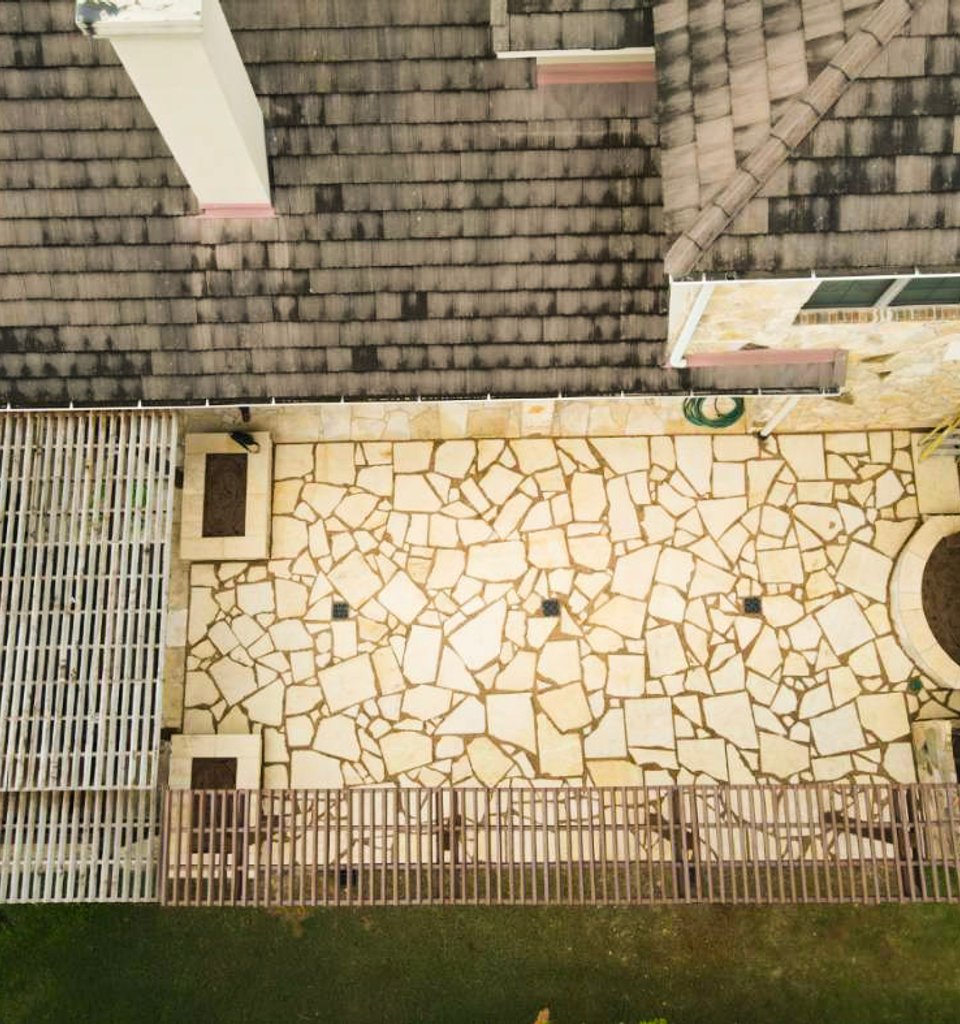 Lakeway Trellis & Patio
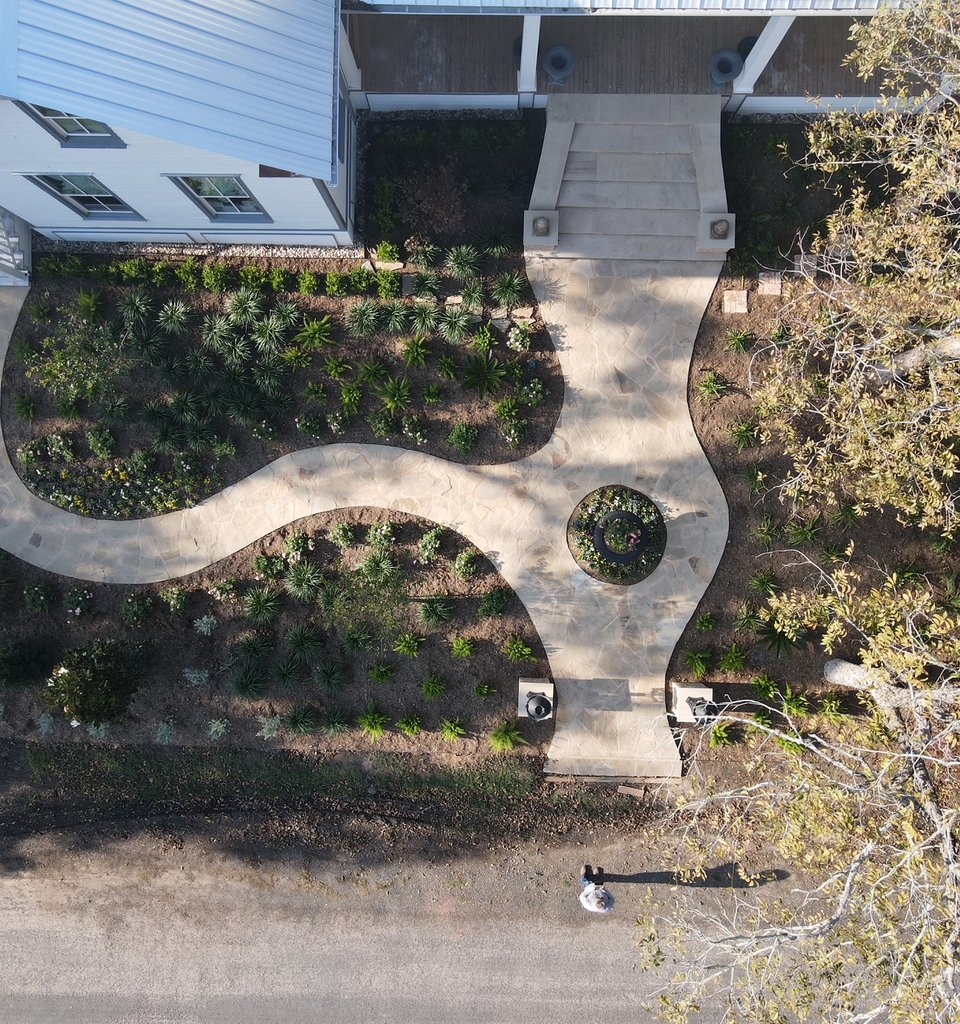 Fayetteville Garden District Style
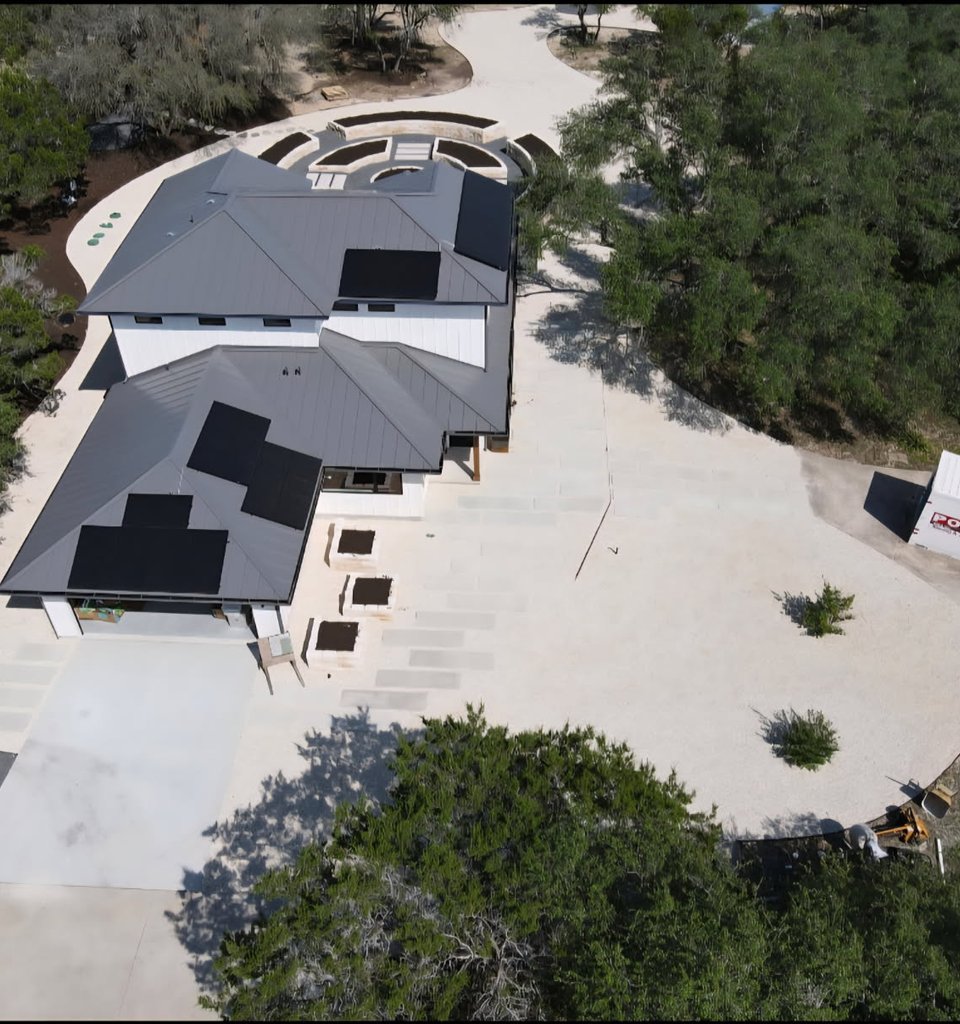 Driftwood Garden Estate
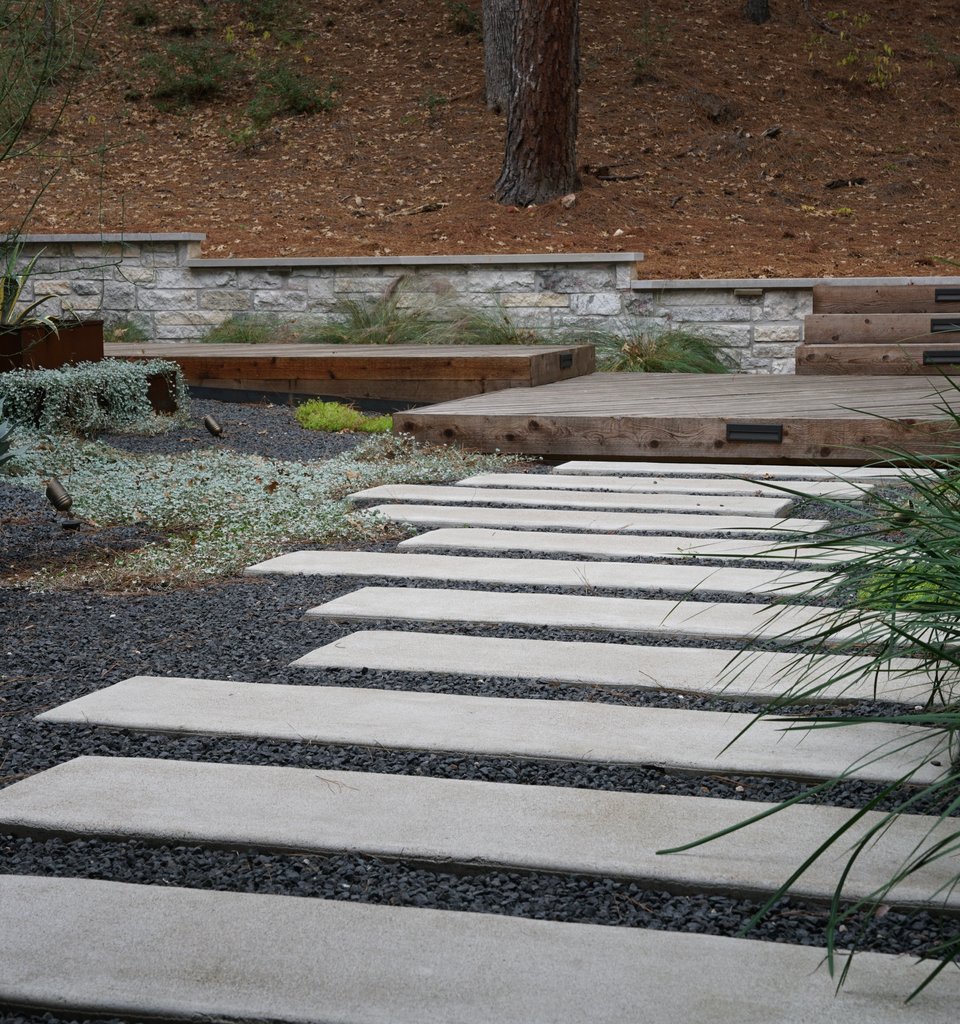 Bastrop Lost-Pines Courtyard Design
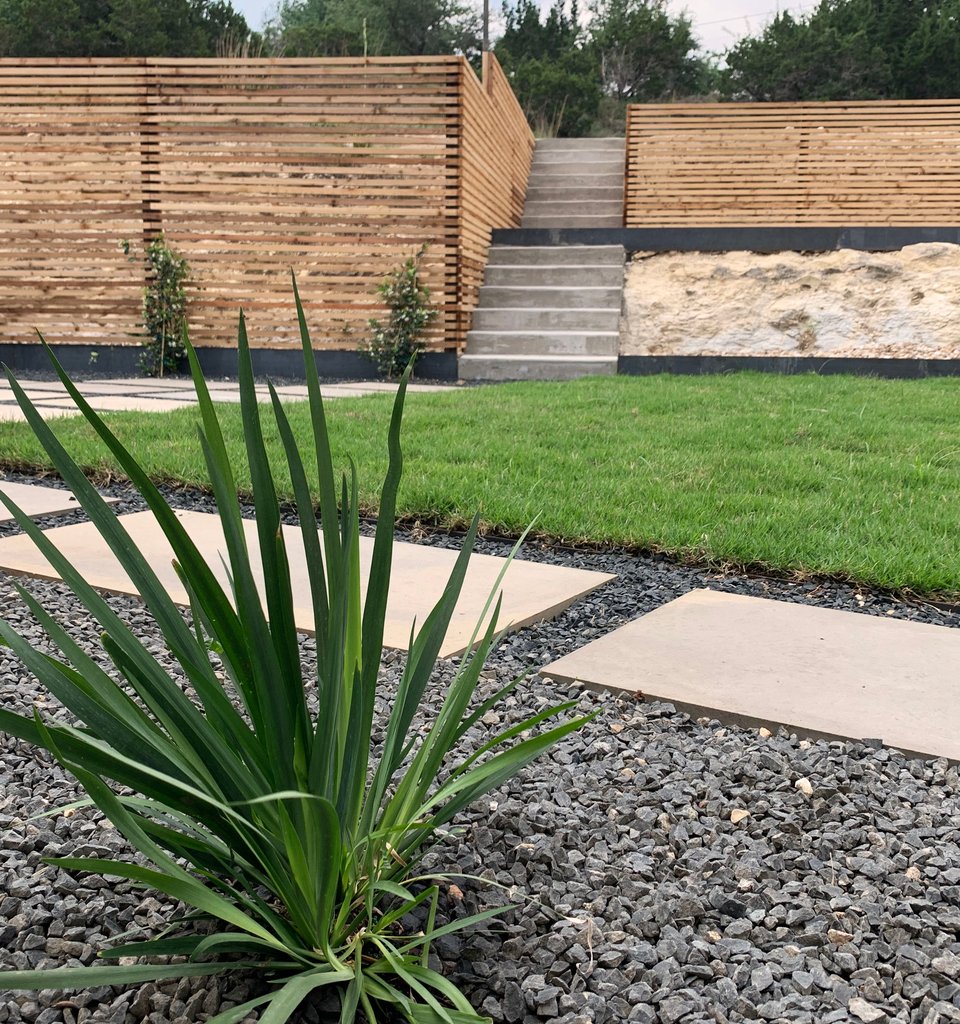 Westlake Hills Modern Terrace
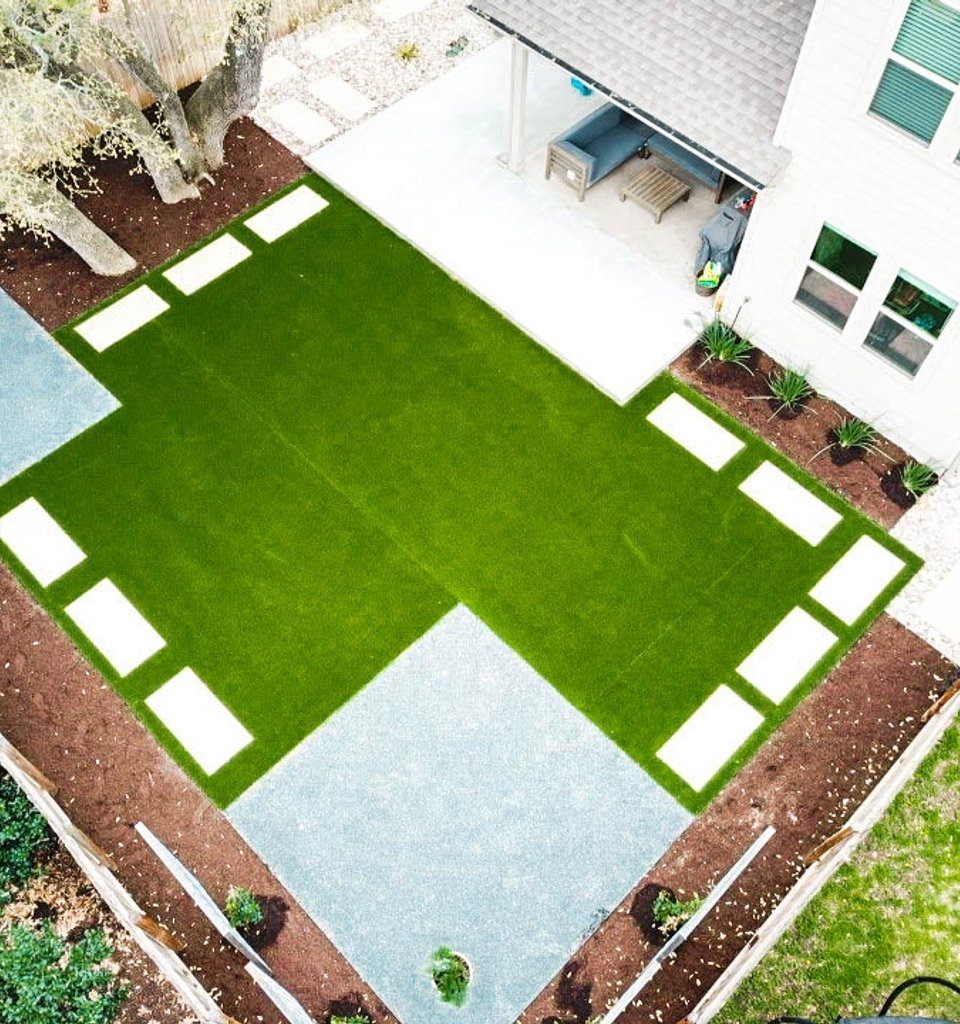 Round Rock Turf Checkered Garden
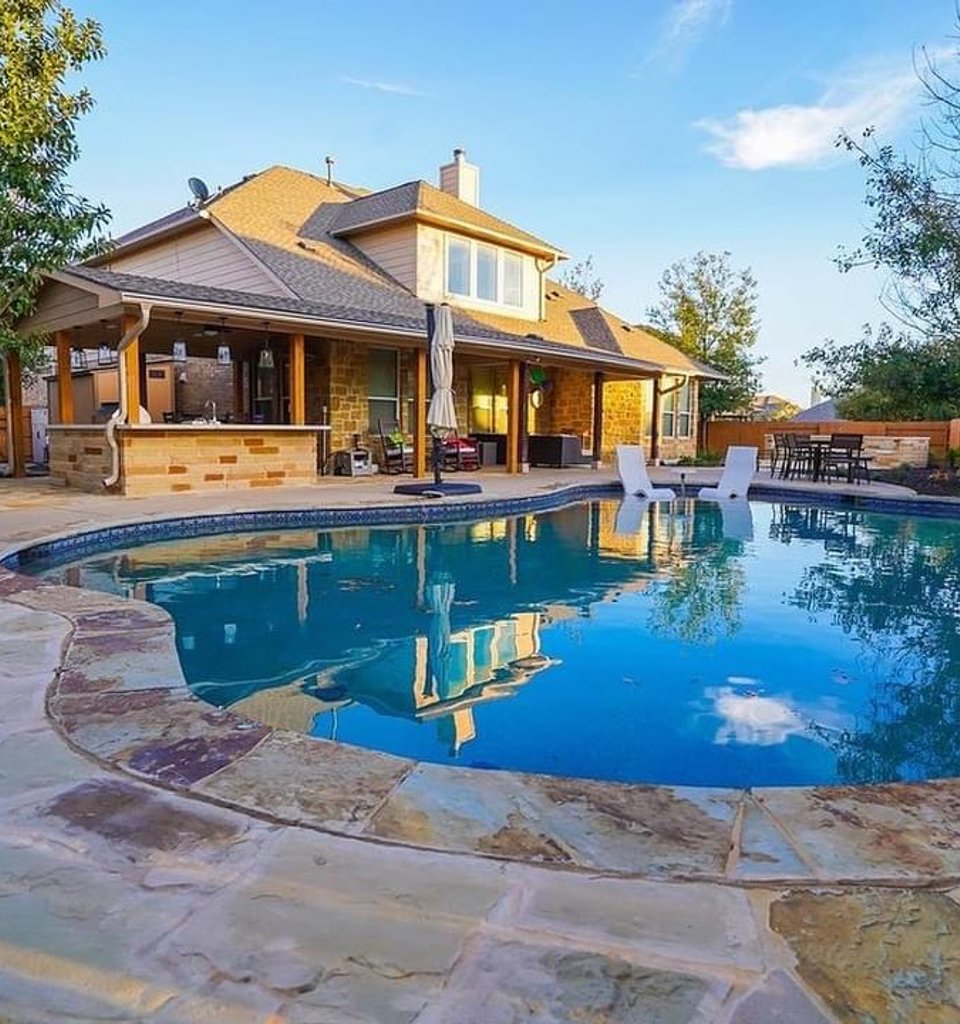 Steiner Ranch Outdoor Kitchen & Pool Retreat
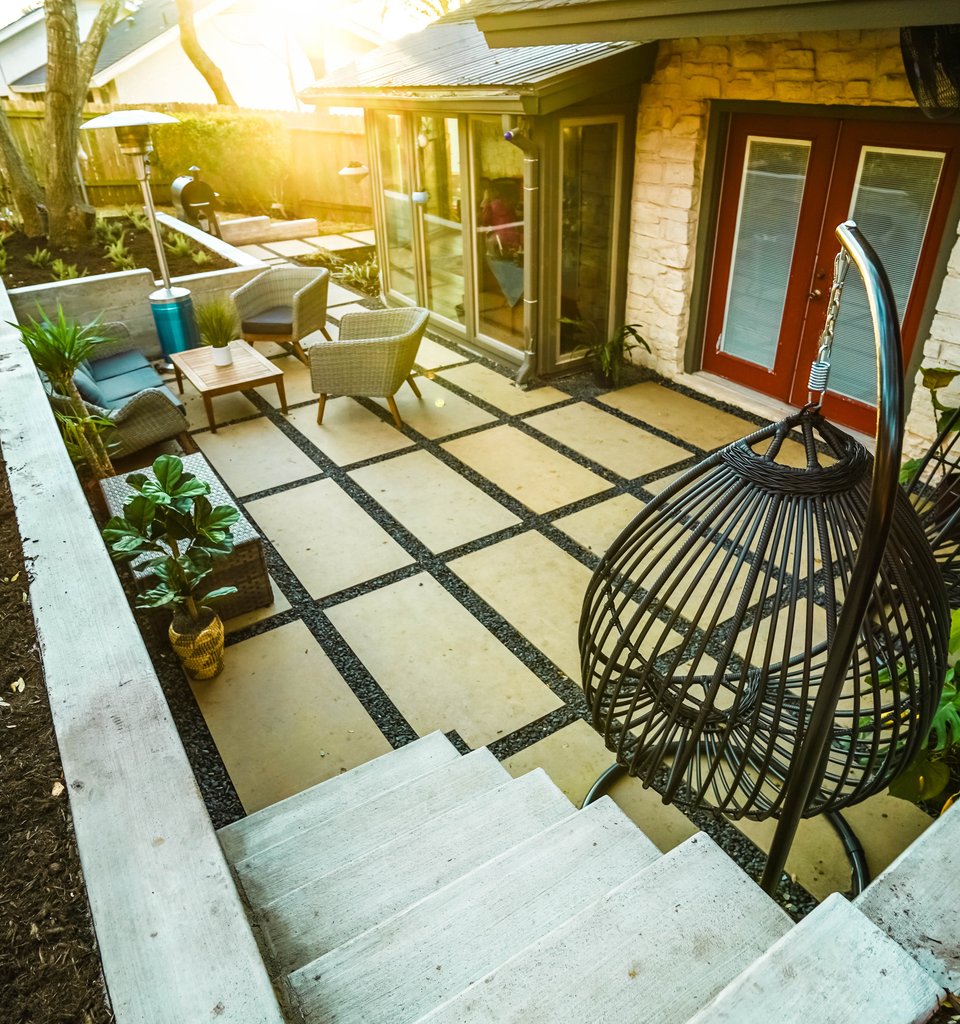 Shoal Creek Terrace Revival
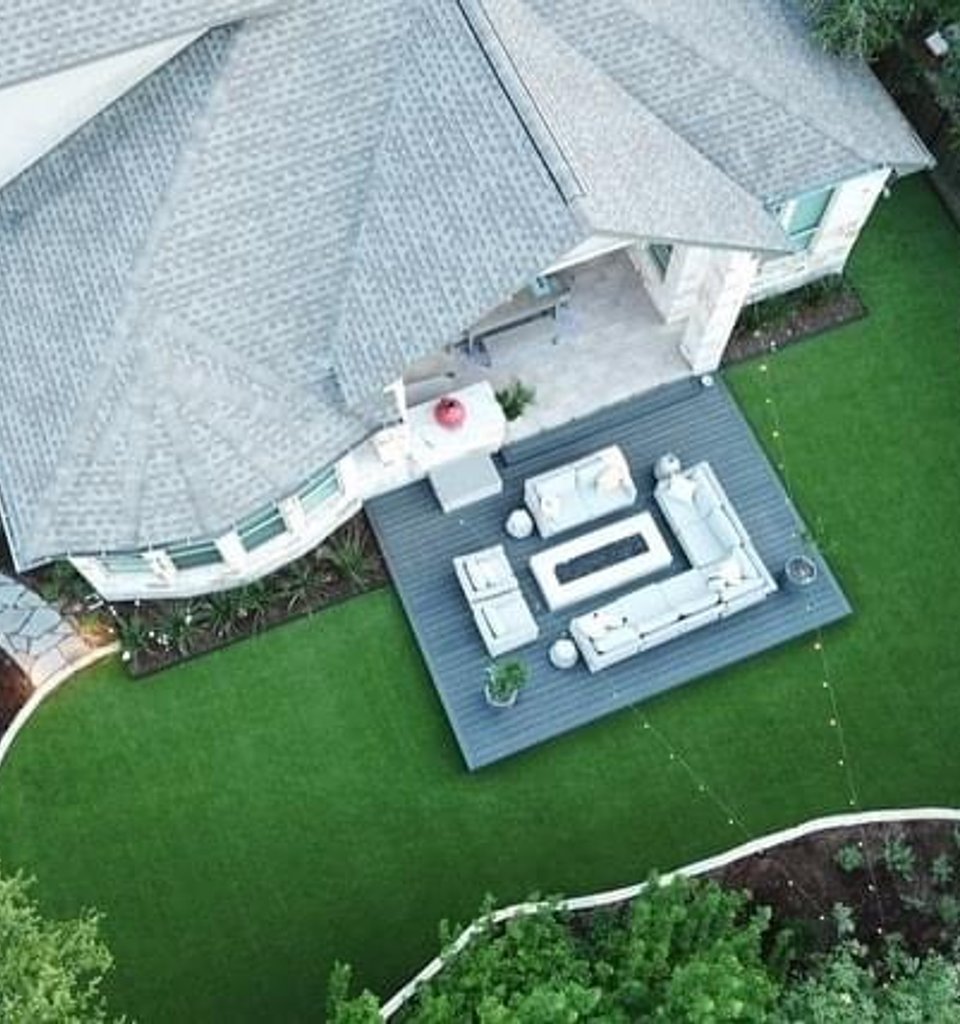 Bee Cave Backyard Under the Oaks
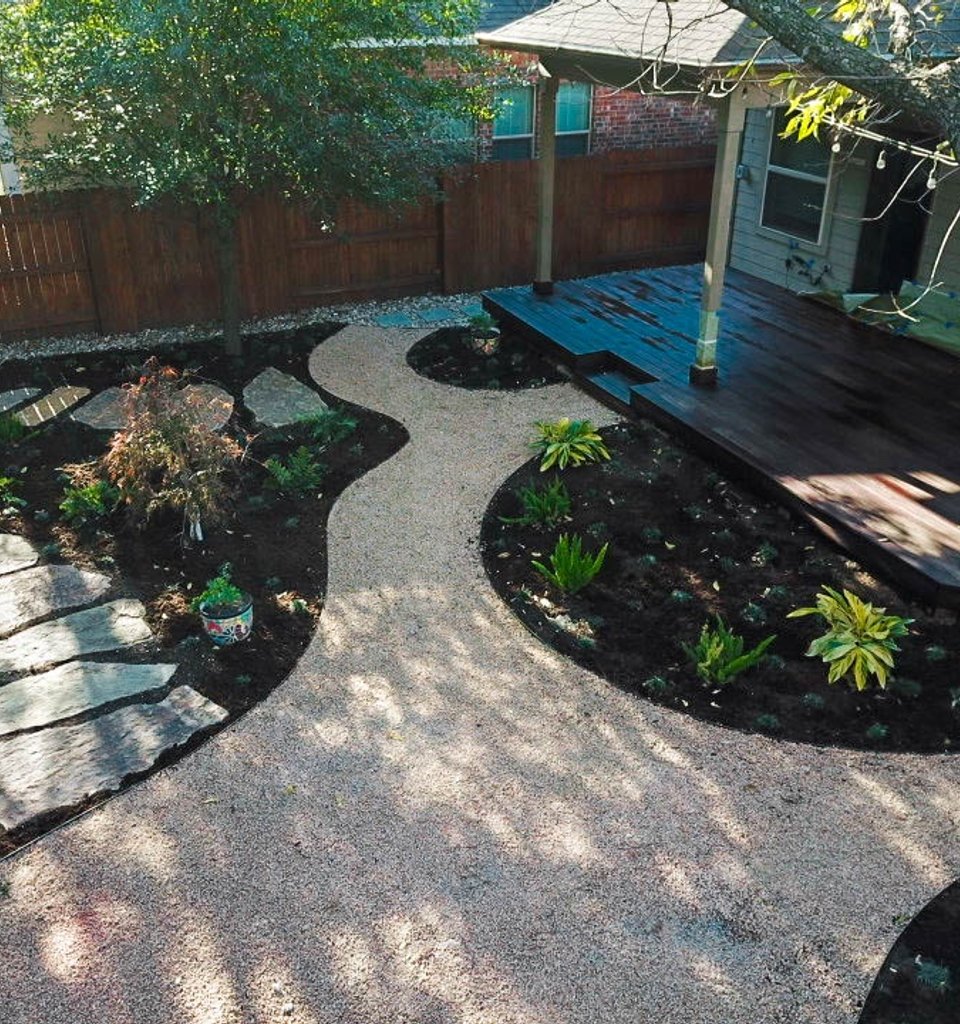 Riverplace Shaded Garden Escape
Frequently Asked Questions
Hot. Composite and capped polymer boards absorb solar radiation and a dark-colored deck in direct Austin sun can become uncomfortable barefoot during peak afternoon hours. Lighter colors and capped polymer (PVC) lines tend to stay friendlier underfoot than darker capped composites. We help you weigh the look you want against shade conditions, prevailing sun exposure, and how you actually use the deck, then we recommend a color family that matches the way Hill Country summers actually behave.
Yes. A capped composite or capped polymer deck never needs staining or annual re-sealing. The protective cap is the finish. Maintenance is limited to seasonal cleaning with soap, water, and a soft brush, plus an occasional rinse to clear pollen and oak tassels in spring. That is the trade you are buying with the higher upfront cost, you give back weekends that a wood deck would otherwise demand.
Capped composite has a wood-flour and recycled-plastic core wrapped in a polymer cap. Capped polymer (often called PVC) is solid polymer all the way through with a polymer cap. PVC is lighter, tends to stay cooler in direct sun, and resists moisture even at cut ends. Capped composite often looks and feels closer to real wood. Both come with long fade and stain warranties from major composite manufacturers. We walk you through samples so you can compare them in your hand.
For most Austin homeowners staying in the house long term, yes. A composite or capped polymer deck costs more on day one than pressure-treated pine, but it skips decades of staining, sealing, and board replacement. Fade and stain warranties on premium lines typically run 25 to 30 years. If you plan to keep the house and use the deck heavily, the math usually favors composite. If you plan to sell in a couple of years, wood may make more sense.
Most major composite manufacturer warranties are transferable to a subsequent homeowner, sometimes with a reduced remaining term. The exact rules vary by brand and product line, so we register the warranty in your name at install, give you the documentation package, and walk you through how to transfer it later. Lines from Trex, TimberTech, Fiberon, and other well-known manufacturers all publish their transfer terms in the warranty document.
Sometimes, but only after a full framing inspection. Composite boards require correct joist spacing, typically 16 inches on center for perpendicular installs and 12 inches on center for diagonal or 45-degree patterns. Older frames often do not meet that. We also check for rot, undersized beams, hardware corrosion, and ledger flashing at the house. If the substructure passes, we reuse it. If it does not, we rebuild it in pressure-treated wood or steel before any composite goes down.
Premium capped composite and capped polymer lines are engineered for very long service lives under UV exposure, and that holds up well under Hill Country sun when the deck is built correctly. Fade and stain warranties typically run 25 to 30 years on top-tier products. Real-world life often exceeds that when the substructure is sound, drainage is correct, and the boards have proper gapping for expansion and contraction in Austin heat cycles.
Call (737)-321-7812 or use the contact form on this page. We schedule a free on-site visit, measure the area, ask how you plan to use the deck, and bring physical samples of capped composite and capped polymer boards so you can see colors in your own light. You get an itemized written quote that breaks out framing, decking, fasteners, railings, and finishes so you know exactly what each piece costs.