

Walkway Installation in Austin, TX
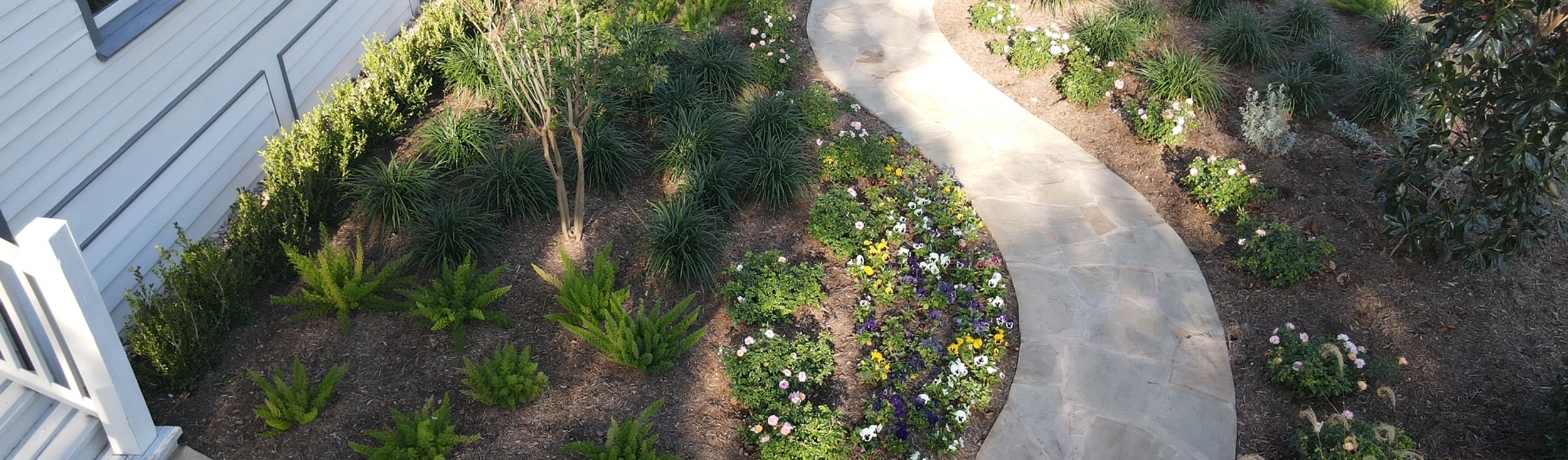
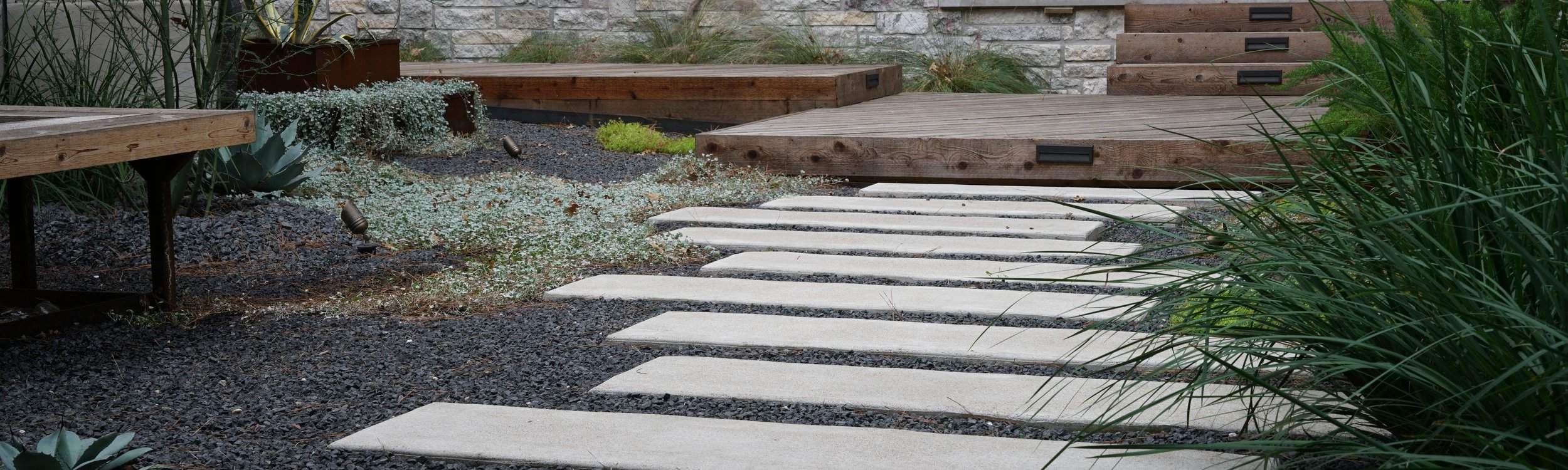
Front-entry, garden, and side-yard walkways built in pavers, flagstone, stepping stone, and concrete. Engineered for Central Texas clay soil with a proper base, clean edges, and drainage that lasts.
A walkway is the first thing your guests step on and the last thing they remember. Thrive Landscape and Design builds front-entry walks, side-yard service paths, garden meanders, and pool deck connectors across the greater Austin, TX area. We work in concrete pavers, Hill Country flagstone, limestone slab, stepping stones set in decomposed granite, poured concrete, and exposed aggregate. Every walkway is laid out on site with you, set on a compacted crushed base built for Central Texas clay, and finished with edge restraint and joint detail that holds up to weather, foot traffic, and time. For over 20 years we have been building hardscape that ties the porch, driveway, and plantings together into one clean front-yard composition.
Learn More
- 500+ Projects Completed
- 19+ Years Experience
- 5/5 Average Rating
Full-Service Paving & Hardscape
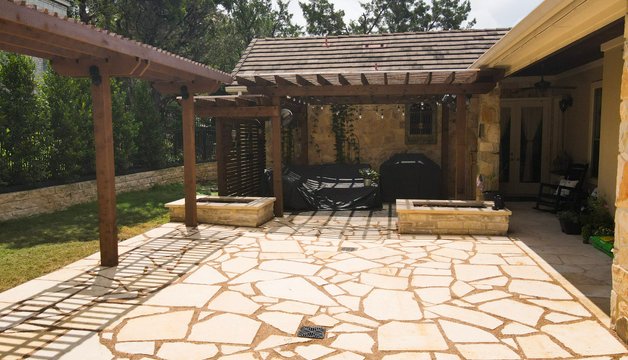
Patios
Flagstone, paver, and concrete patios built on a proper base for entertaining through Texas weather.
Learn More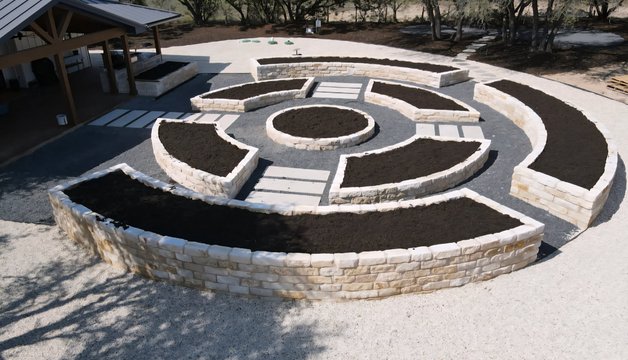
Paver Installation
Concrete and clay pavers laid on an engineered base for a uniform pattern that lasts in Texas clay.
Learn More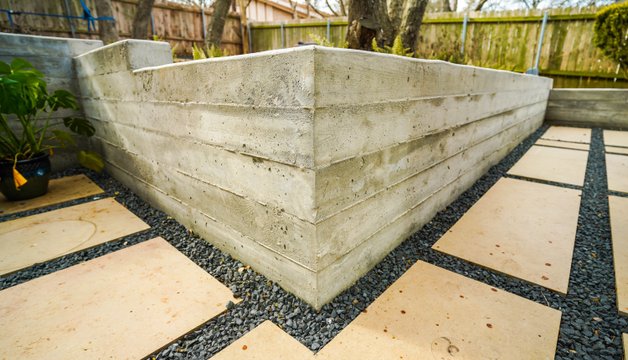
Retaining Walls
Engineered block, stone, and concrete retaining walls that hold back Austin slopes and protect your walkways.
Learn More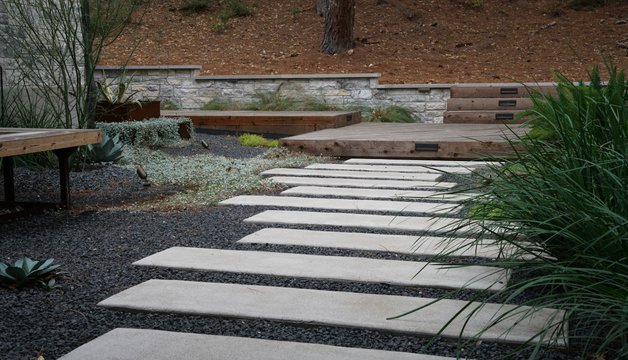
All Paving Services
See the full hub of paving and hardscape services we offer across the greater Austin area.
Learn More


Our Process
Layout & Material Spec
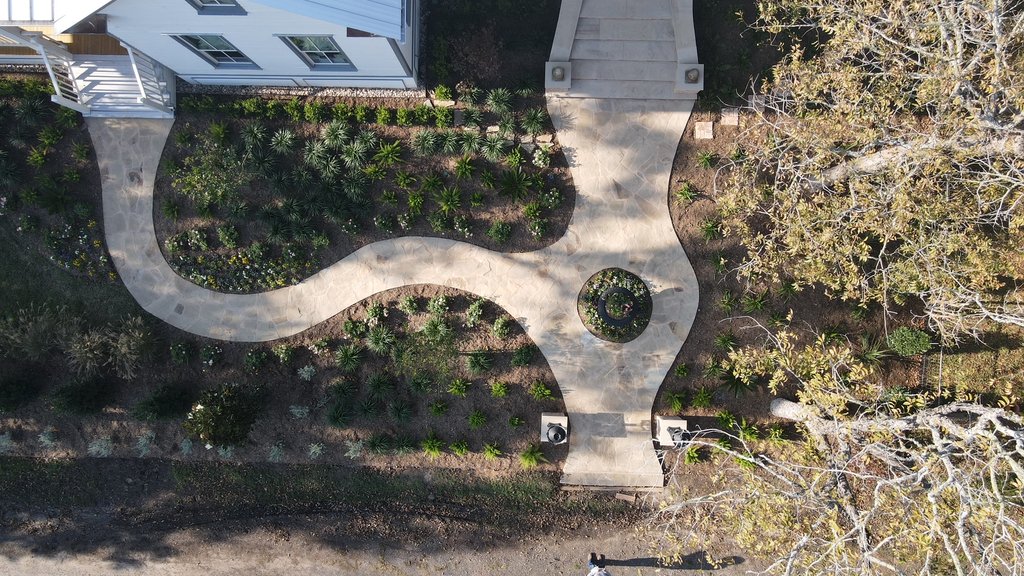
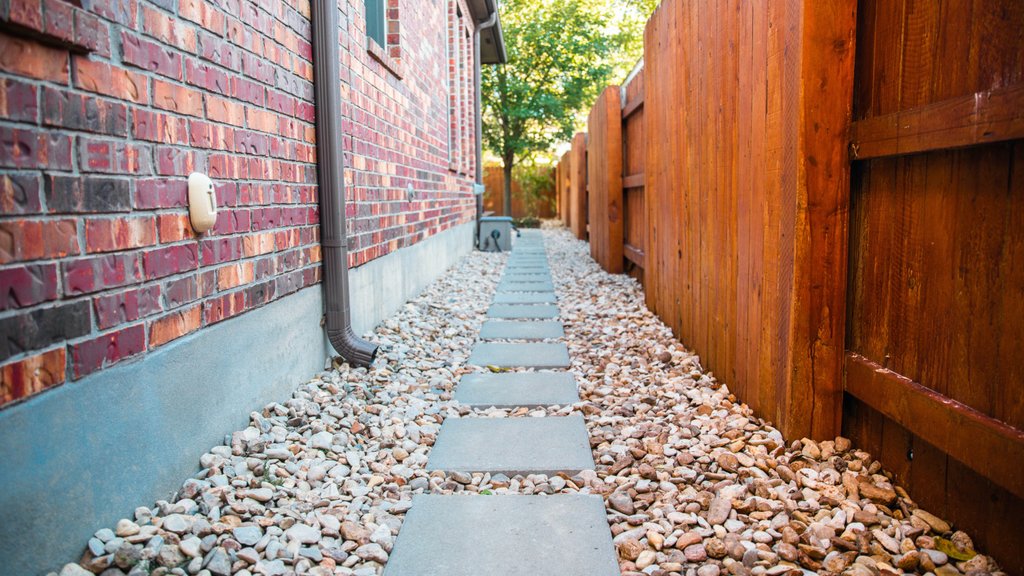
We meet on site, mark the path with paint or hose, and talk through width, curves, and material. Primary front walks are usually 3.5 to 4 feet wide so two people can walk abreast. Side-yard service walks run 2.5 to 3 feet. We pick materials that match your home, whether that is a paver pattern, Hill Country flagstone, limestone slab, stepping stone in decomposed granite, or a poured concrete walk with control joints. You leave the visit with a clear plan and a written quote.
Excavate & Base
We excavate the walkway corridor to the right depth for your chosen material and Austin's clay soil. The subgrade is compacted, then a crushed stone base is installed in lifts and compacted each pass. This is the step most contractors shortcut. We do not. Following ICPI base guidance is the difference between a walkway that stays flat and one that settles and rocks after the first wet season.
Install
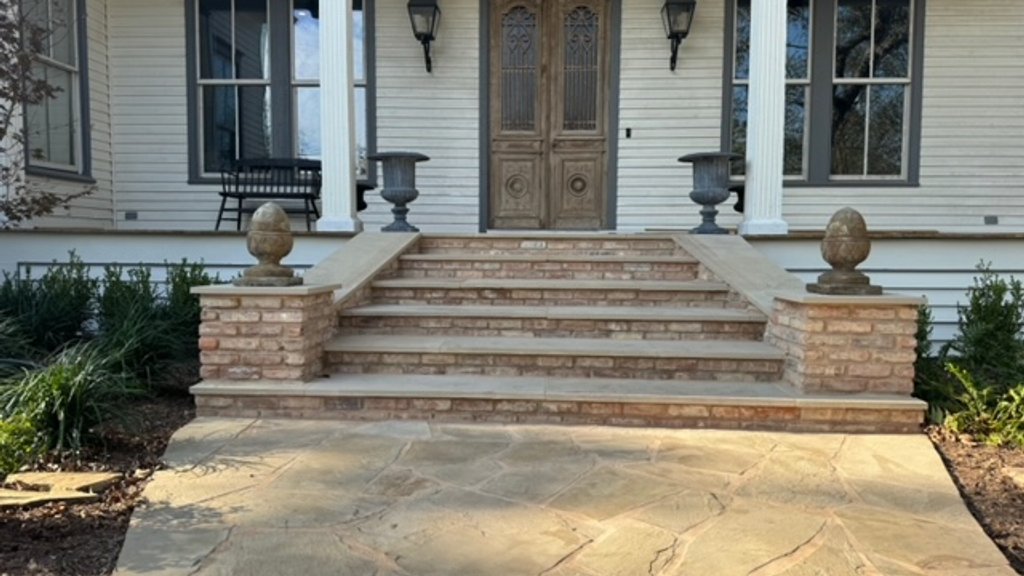
The surface goes down. Pavers are screeded into bedding sand and set with tight joints. Flagstone is cut and fit on site so each piece works with its neighbors. Stepping stones are spaced for a natural stride length. Poured concrete is formed, placed, and finished, with control joints scored to manage clay-soil cracking. Where grade or accessibility matters, we hold to gentle slopes so the walk is comfortable to use year-round.
Edge & Joint Finish
Edges hold the walkway together. We install hidden edge restraint on paver walks, set steel or stone edging on flagstone, and finish concrete edges clean. Joints are filled with polymeric sand, mortar, or decomposed granite depending on the build. We grade adjacent beds and turf to shed water off the walking surface, integrate any path lighting wire runs, and walk the finished project with you. Austin's Watershed Protection rules treat hardscape as impervious cover, and we keep your project compliant on the front end.
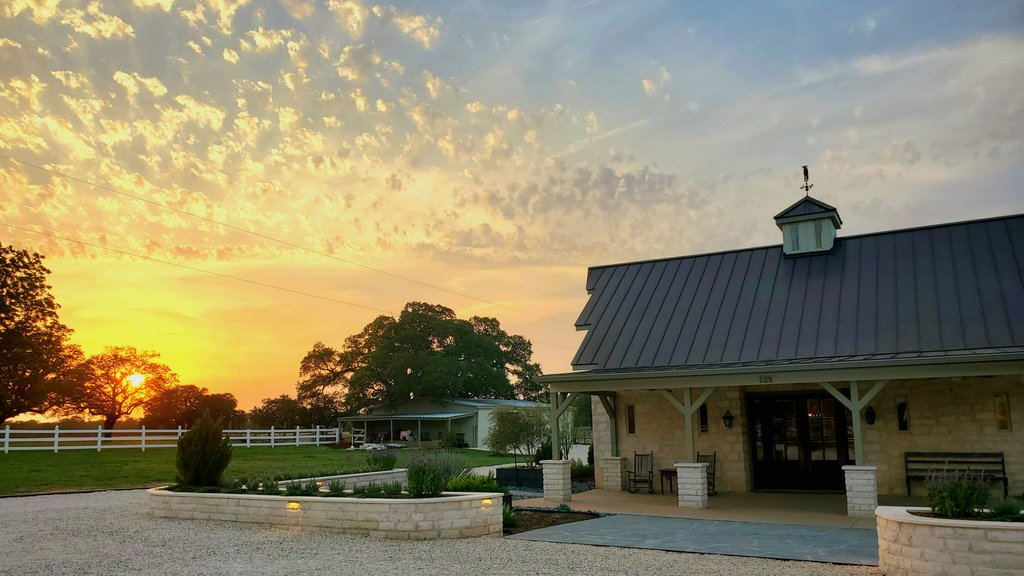
Professional Walkway Installation
Travis, Luis and the crew did an amazing job on our front yard landscaping. Travis had a vision that we could've never come up with on our own. They were communicative, hard working and had incredible attention to detail. We were really impressed with our experience and will… Read more

We’ve been very impressed with Travis and his team at Thrive Landscaping. From the initial design consultation through revisions and installation, the entire process was smooth, thorough, and high quality. We needed an HOA-compliant design that improved drainage and reduced… Read more
Travis was very responsive on the pricing . Luis and the crew did an amazing job and fixed a lot of problems that the prior firm had created. Very pleasant group and seem to want to please clients.
Great people providing outstanding service. Our yard has never looked better. And best of all, they stand behind their work. If something needs attention after the job is finished, they’re right on it.
After interviewing several companies, we chose Thrive Landscape to create some hardscaping for our back yard. They installed stone paving for our patio and pool area, a gravel area for our fire ring, and a raised gravel pad for a greenhouse. Everything looks great! We had a good… Read more
Thrive replaced some dying plants in a white rock bed and left it clean and beautiful. You would never know they had been in the rock bed at all - no dirt, no disruption - they left it better than they found it!
Our neighbor a few houses down had Thrive do his property and we liked how it looked, so we decided to contact them to see what it would cost to do our house. Wanted to get rid of the sand burrs and decided to do stone, rock and mulch for the whole yard in front of the house. I… Read more
We have used Thrive landscape for several projects over the past two years. They have delivered outstanding service, careful attention to detail, and impeccable service and care after the project was complete. Travis Odom is outstanding, and his vision helped us transform our… Read more
We were very pleased with Thrive from the initial bid to the completion of the project. We had our front yard and backyard landscaped. Communication was excellent and when a couple issues occurred they were quickly resolved. The onsite crew was great to work with and were… Read more
Excellent service and advice. Knowledgeable, on time, communicative owner, and crew. This is the place you want to call for your landscaping needs! We are extremely satisfied with the outcome and will use the service again. Thank you Travis and crew.
I was really pleased with Thrive. Travis arrived exactly on time for the quote, had a great design, and was able to start quickly once the plans were approved by my HOA. The crew was polite and worked quickly. They left the whole worksite very neat, and my front yard now looks… Read more
Had grass that was dead, Travis and his team transformed my backyard in a few days!
I am a repeat customer of Travis's. He recently transformed my front yard. The design was perfect for what we wanted to accomplish and the crew did high quality work which included clean-up. I will keep coming back to him in the future.
Thrive is a very professional and excellent business - they did a wonderful job on my project and I couldn't be more pleased with the end results. Will definitely use them again!
I had an outstanding experience with Thrive. Quality, honesty, value and customer service were phenomenal! Exceeded my expectations!
Swapped out black stone that were killing my plants with mulch. Added a bunch of plants and sod. Also got my irrigation and stone walkway complete. I say it is all looking great.
I don't know where to begin. Travis and his team provided an amazing landscape design, strategy, and results on our backyard for my 50th birthday celebration. Travis was patient and very detailed with his quote and made sure he covered every detail with me. Once we decided to… Read more
I’ve done two projects with these guys to include a landscaping project where I added sod, metal planters, and plants. The second was a fence repair and both turned out great. They were fairly priced, scheduled quickly, executed on time, and worked through my lunch list at the… Read more
We chose Thrive Landscaping after a friend of ours used them for their own backyard and we could not be happier with our decision. Travis and team were incredibly professional, thorough and communicative the entire time. They added new grass, flowers, gravel and lights to our… Read more
Travis with Thrive Landscape & Design did an amazing job redesigning our backyard! They were hard-working, timely, responsive and appreciated their craftsmanship they put into the project. The space looks better than we imagined — highly recommend!
Wow! Travis and his team did an amazing job refreshing our back yard! They were professional, prompt, respectful and above all had an eye for detail! It was an absolute pleasure working with them to create our dream back yard! I highly recommend Thrive Landscape and DESIGN… Read more
Our project was the tear-out, re-design and rebuild of a fairly substantial deck. Great experience with Travis Odom and Thrive Landscape. Travis is congenial, professional and great to work with. The guys on site did excellent work. We’re very happy with the finished product and… Read more
Mr Travis Odom made an excellent, unique, and original cedar fence design that we ended up using.
Great design and construction for my landscaping project. Travis and his crew were very attentive and detailed. They also took on board our feedback and we’re very willing to evolve their designs.
Travis did a great job fixing the drainage along the side of my house! Was very responsive, timely, and reasonably priced. Would reach out to again for any future landscaping needs.
Travis was very responsive and did an excellent job designing our difficult yard. We LOVE the end result and can’t wait to do phase two. Can’t say enough how happy we are with the design!
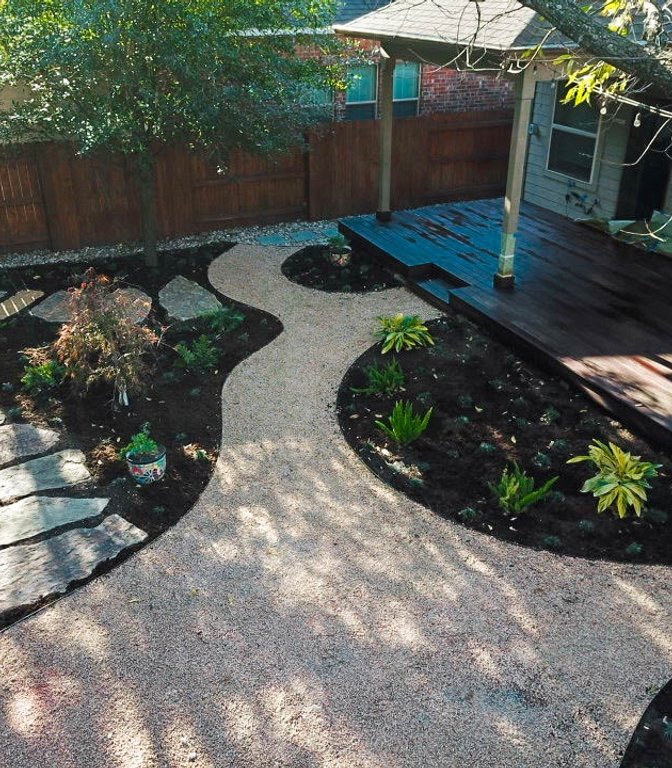
Signs Your Walkway Needs Replacing
Professional Walkway Installation
Most walkways do not fail overnight. They drift over a season or two as Austin's clay shifts. Here is what to watch for and how we fix it.
Request A QuoteHairline cracks are normal. Wide cracks, lifted slabs, or trip edges over a quarter inch mean the base is moving. We replace the walk with proper base prep and control joints, or convert to segmental pavers so future movement is absorbed.
Flagstone or pavers that wiggle underfoot point to washed-out base material or missing edge restraint. We lift the affected area, rebuild the base, and reset the stones so the walkway is level and tight again.
Pooling water tells you grade is wrong. A new walk built with the right cross-slope and clean edges drains in minutes, not hours, and keeps the surface from getting slick after Hill Country storms.
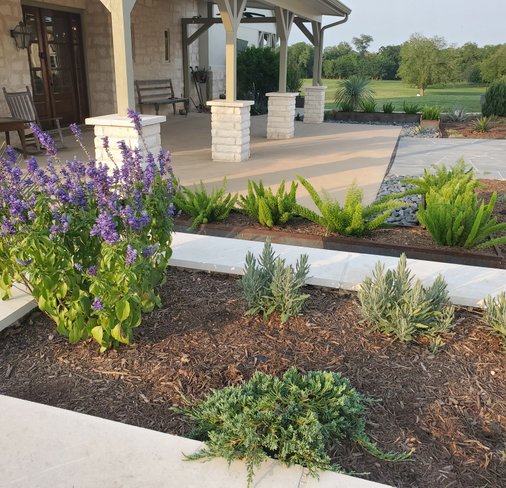
Why Choose Thrive Landscape and Design?
Built For Austin Clay
Compacted crushed base in lifts, control joints on concrete, and segmental design where clay-soil movement is the real risk.
Material Range
Pavers, flagstone, limestone slab, stepping stones in decomposed granite, poured concrete, and exposed aggregate, picked for your home.
Lighting & Drainage Integration
Path and step lighting installed during the build, plus edge drainage so water leaves the walking surface fast.
One Team, Start To Finish
Layout, excavation, install, lighting, and surrounding planting handled by one crew so the walkway ties into the rest of your yard.
Austin’s Go-To For Walkway Installation
Front-entry walks, garden paths, side-yard service runs, and pool deck connectors built across the greater Austin area in the material that fits your home and budget.
- Lakeway
- Driftwood
- Westlake Hills
- Round Rock
- Lake Point
- Bee Cave
- Shoal Creek
- River Place
- Cedar Park
- Steiner Ranch
- Pflugerville
- & more
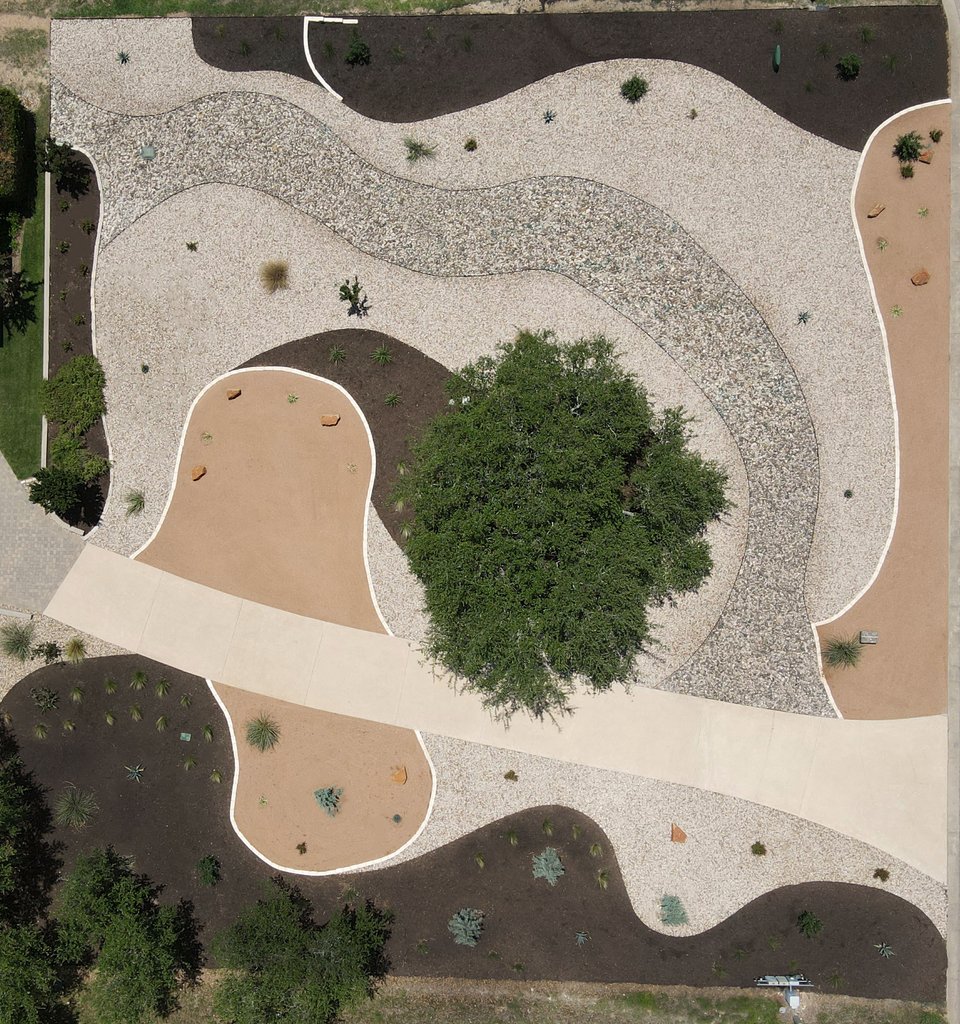 Dripping Springs Hill Country Xeriscape
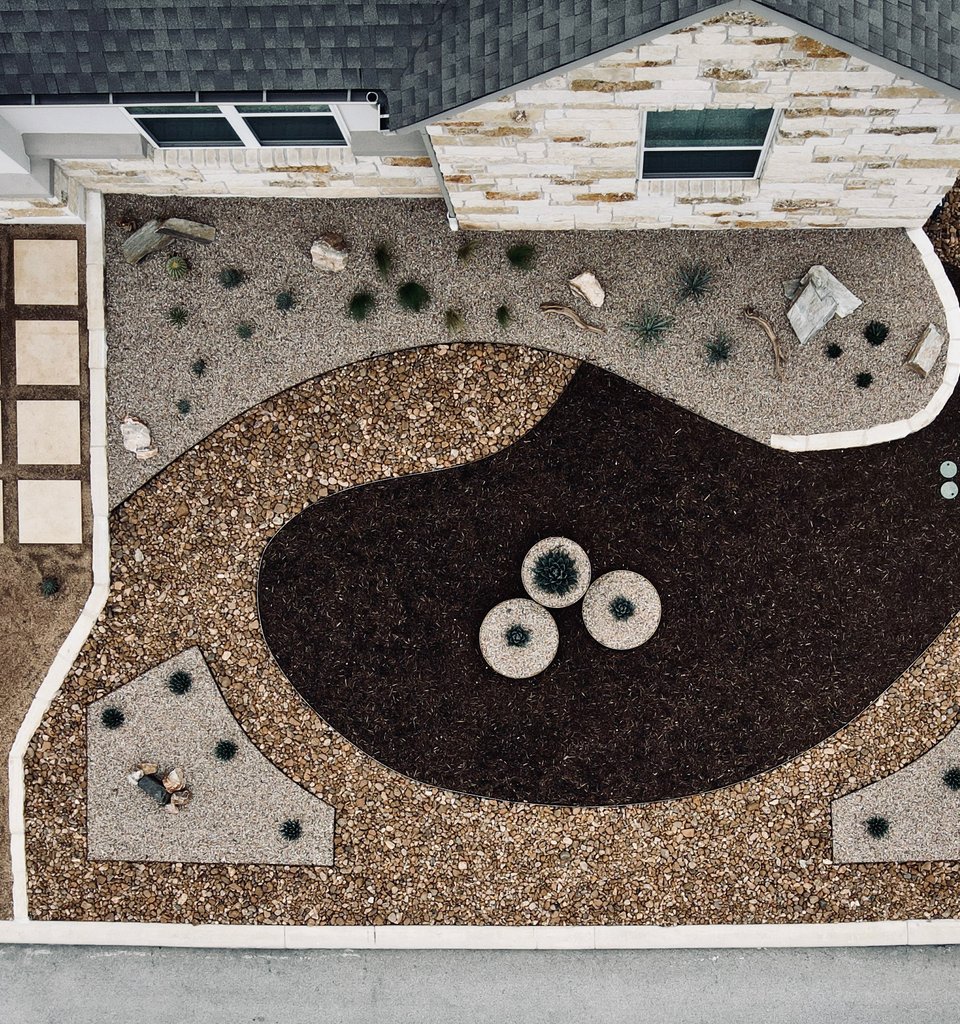 Spicewood Front Xeriscape
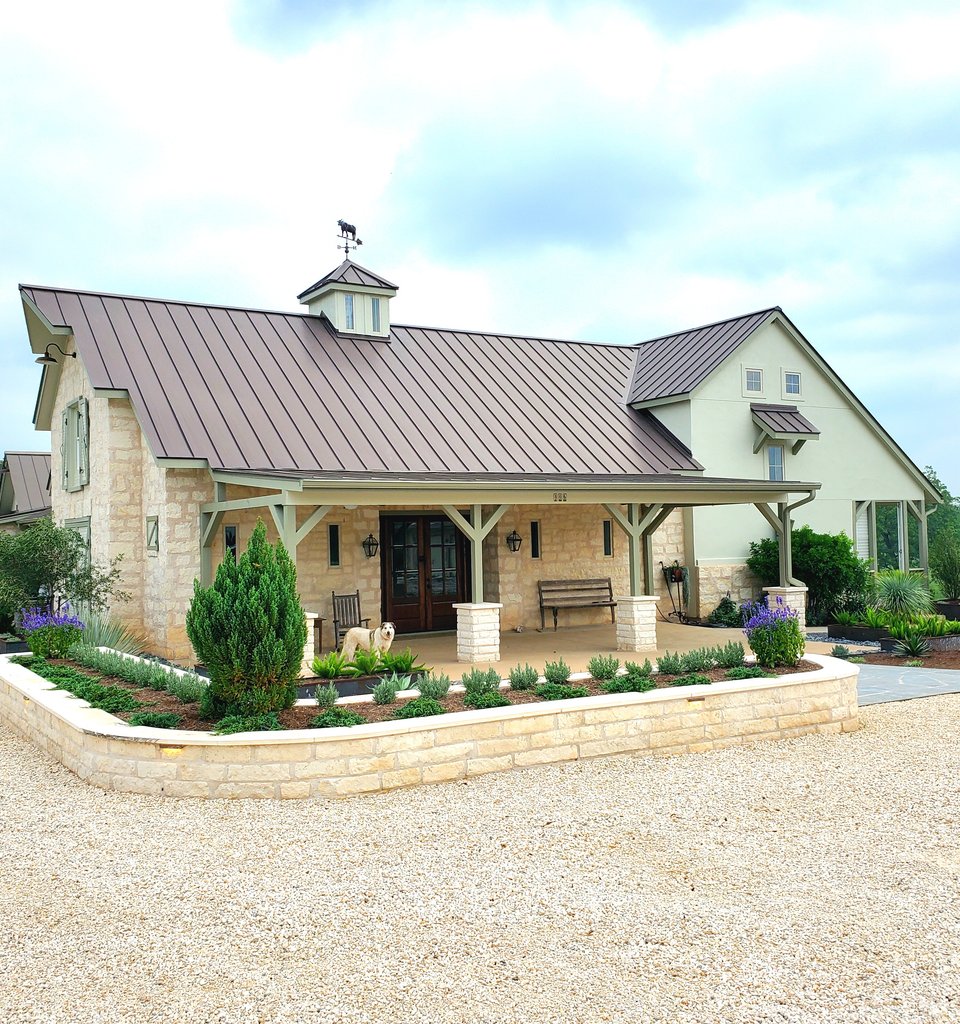 Smithville Ranch
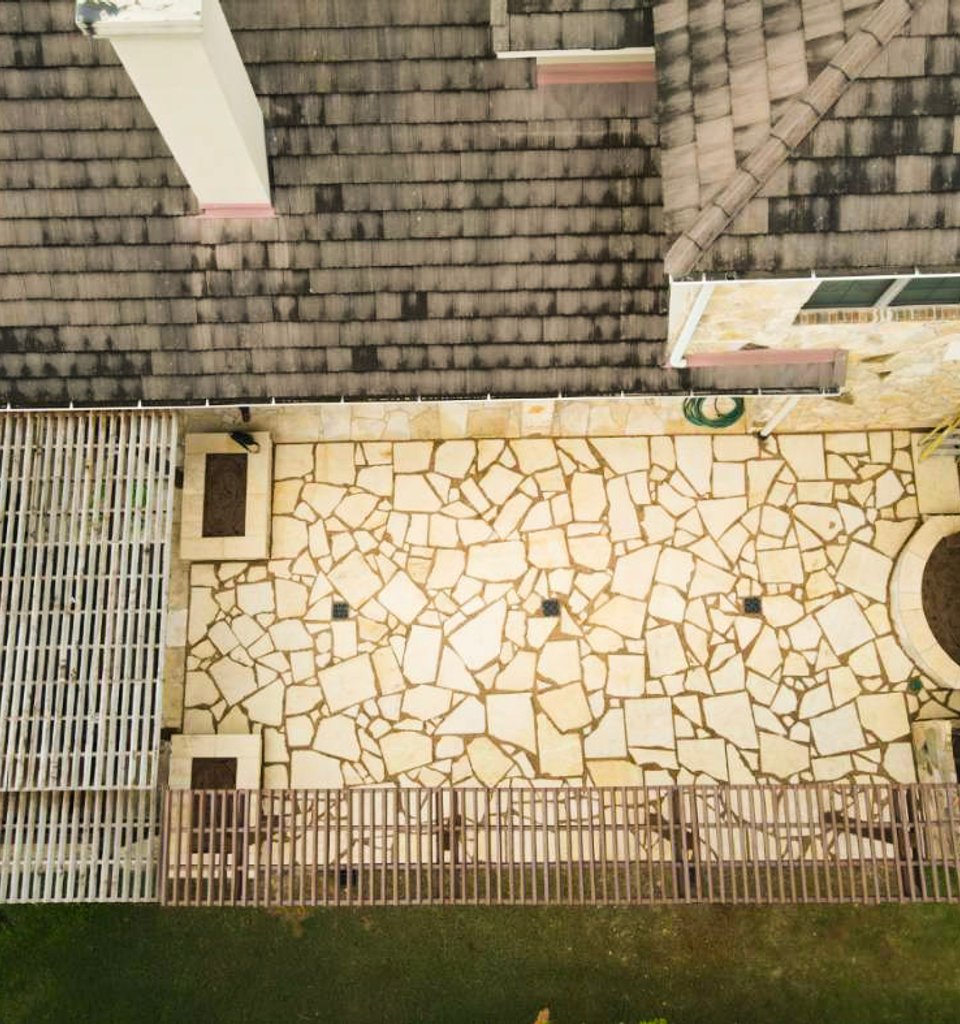 Lakeway Trellis & Patio
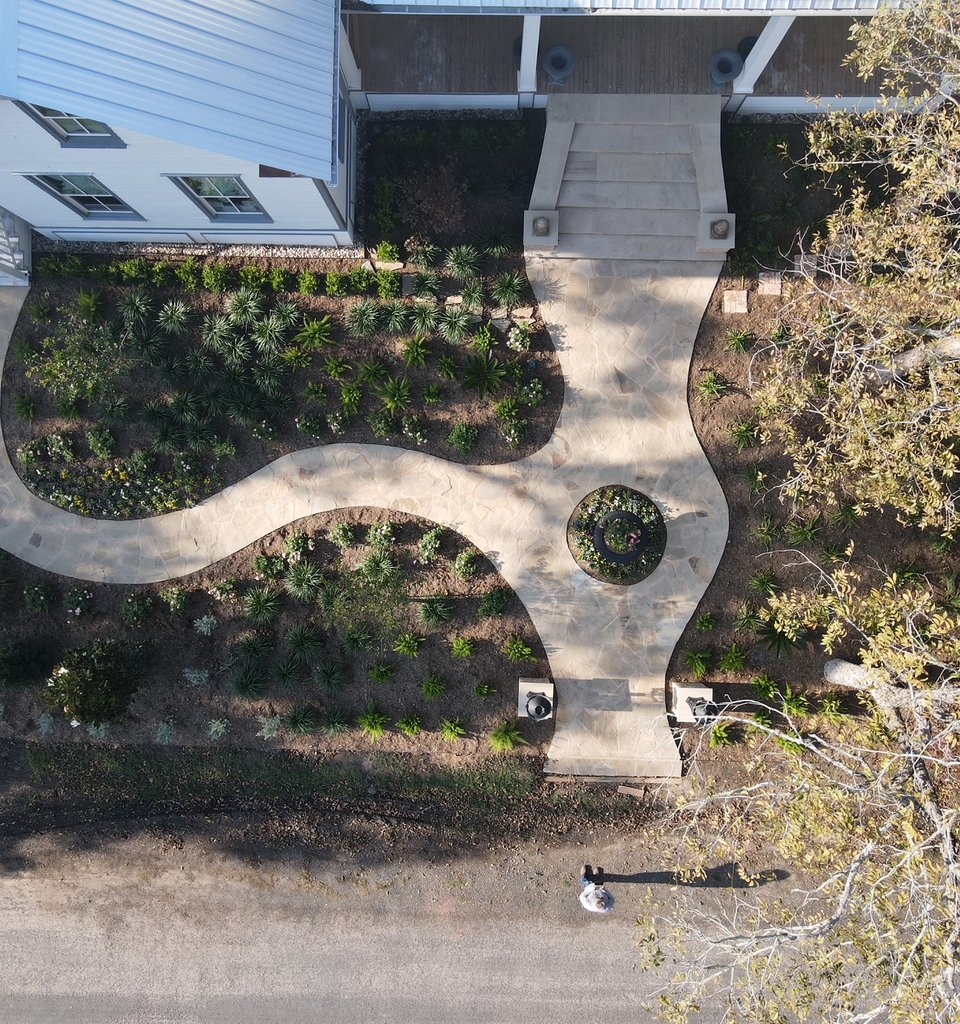 Fayetteville Garden District Style
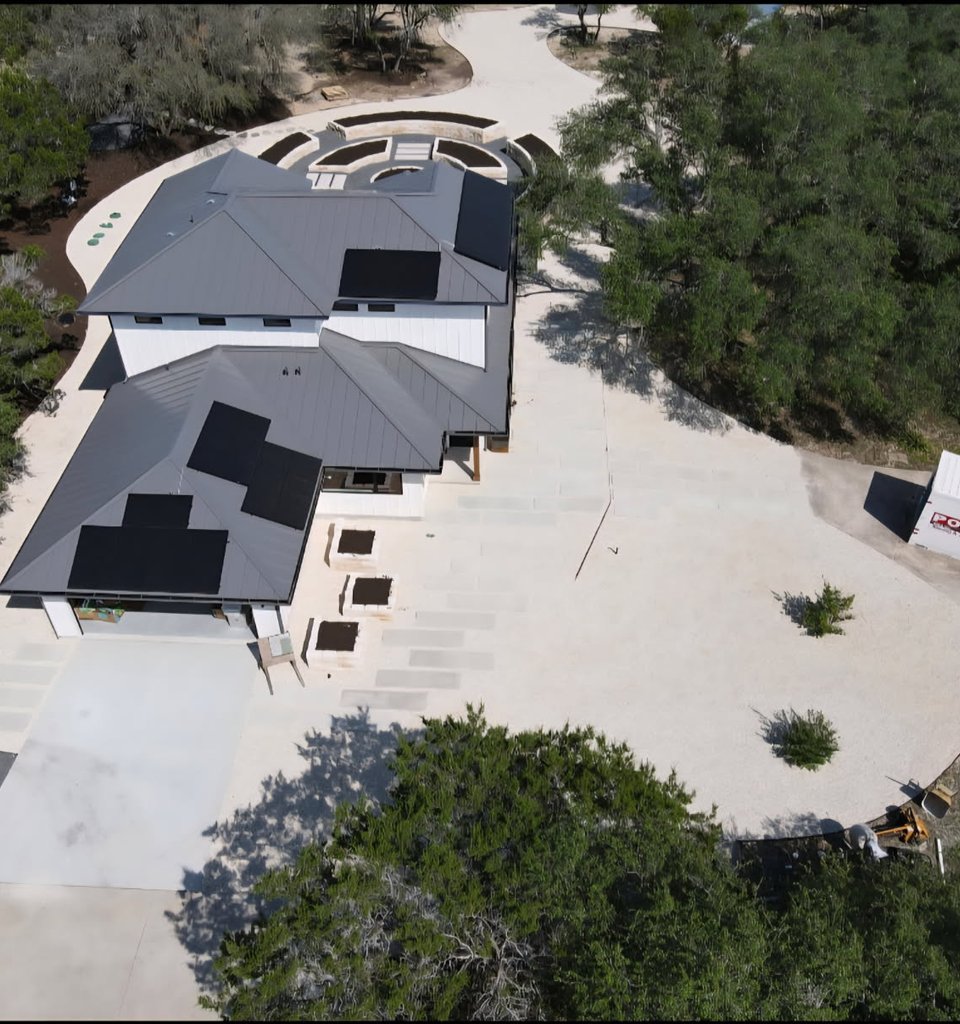 Driftwood Garden Estate
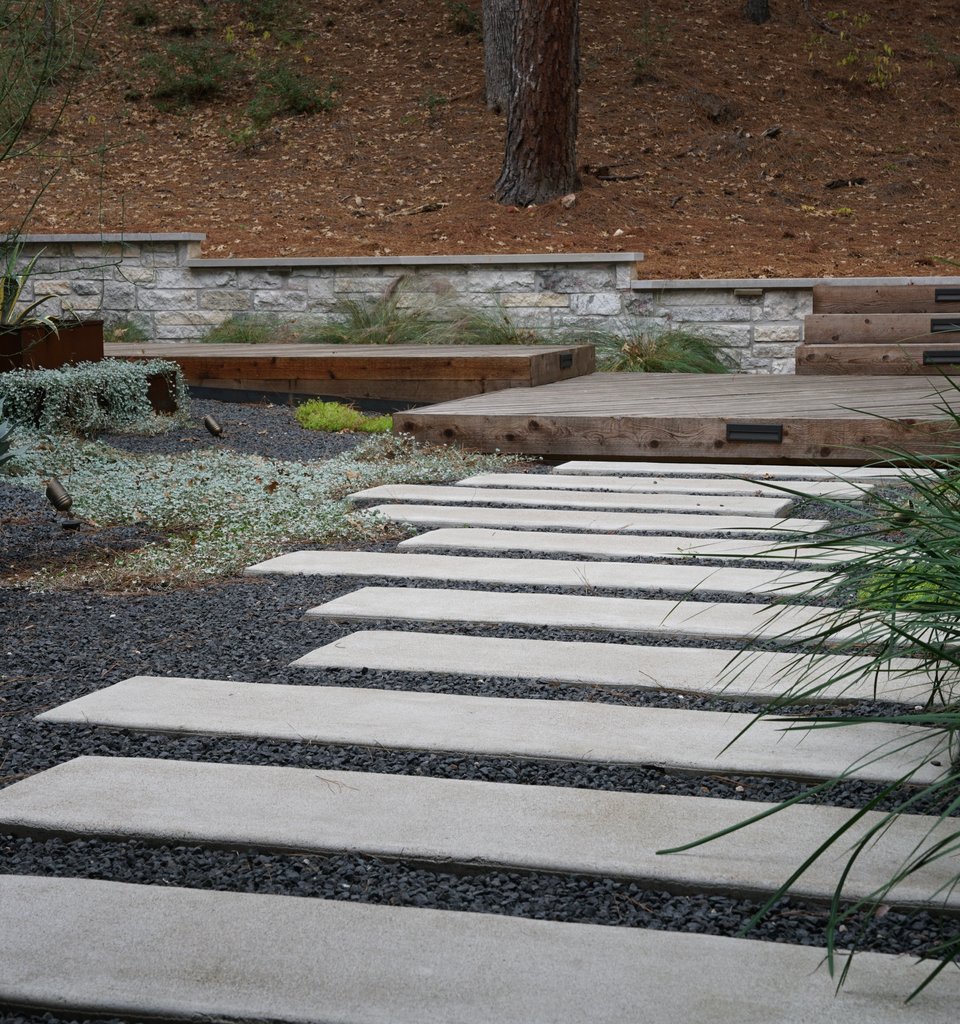 Bastrop Lost-Pines Courtyard Design
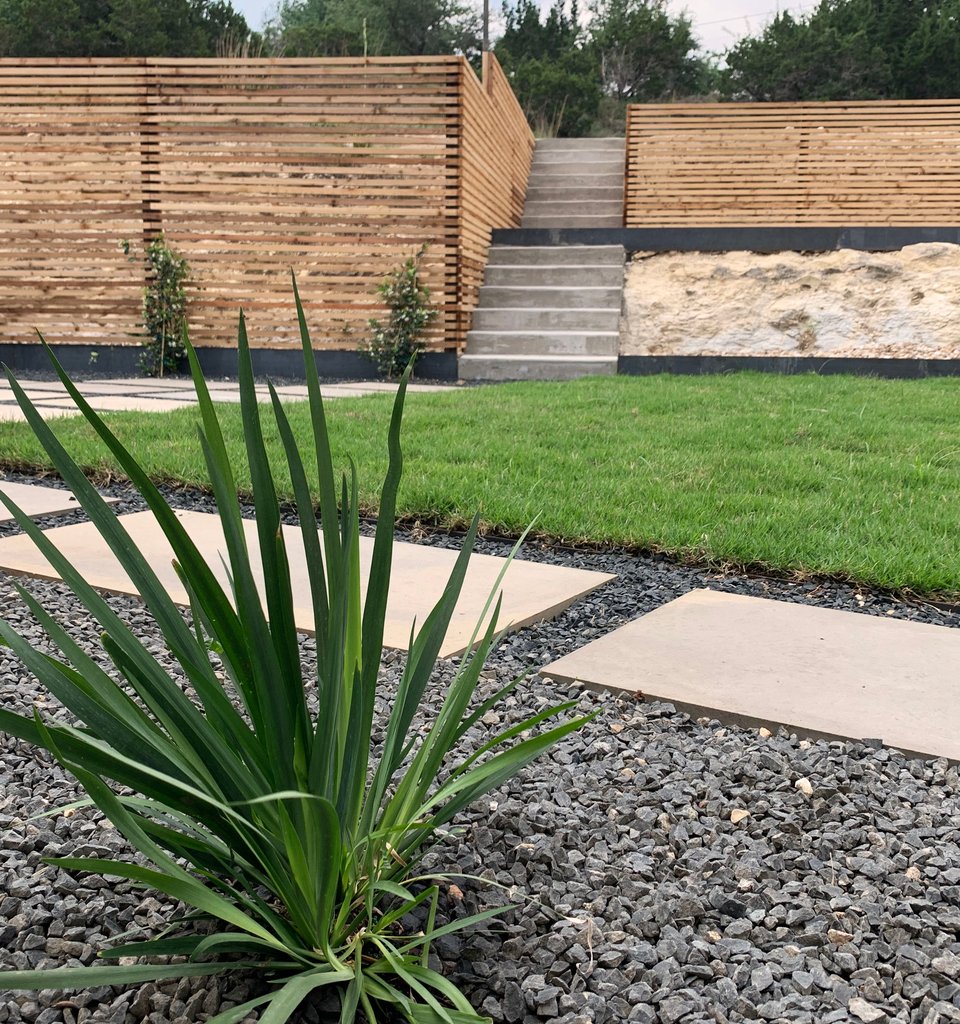 Westlake Hills Modern Terrace
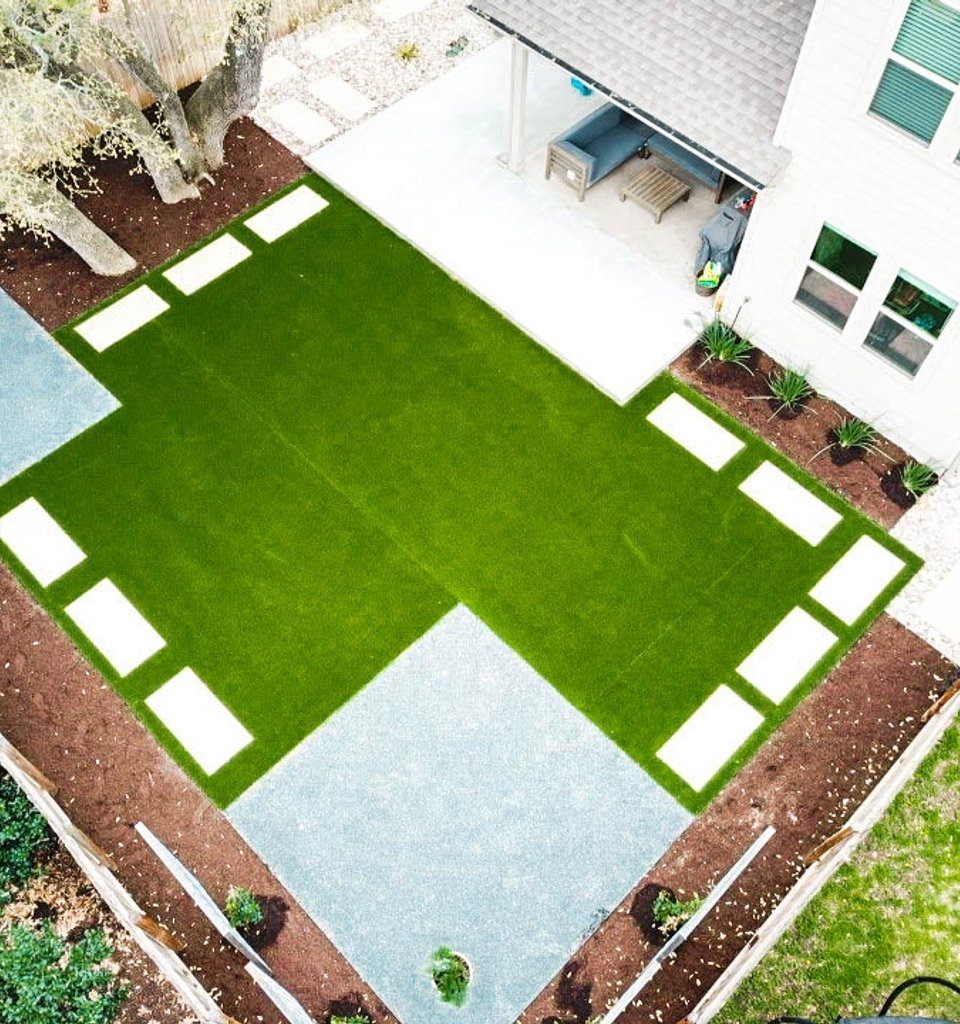 Round Rock Turf Checkered Garden
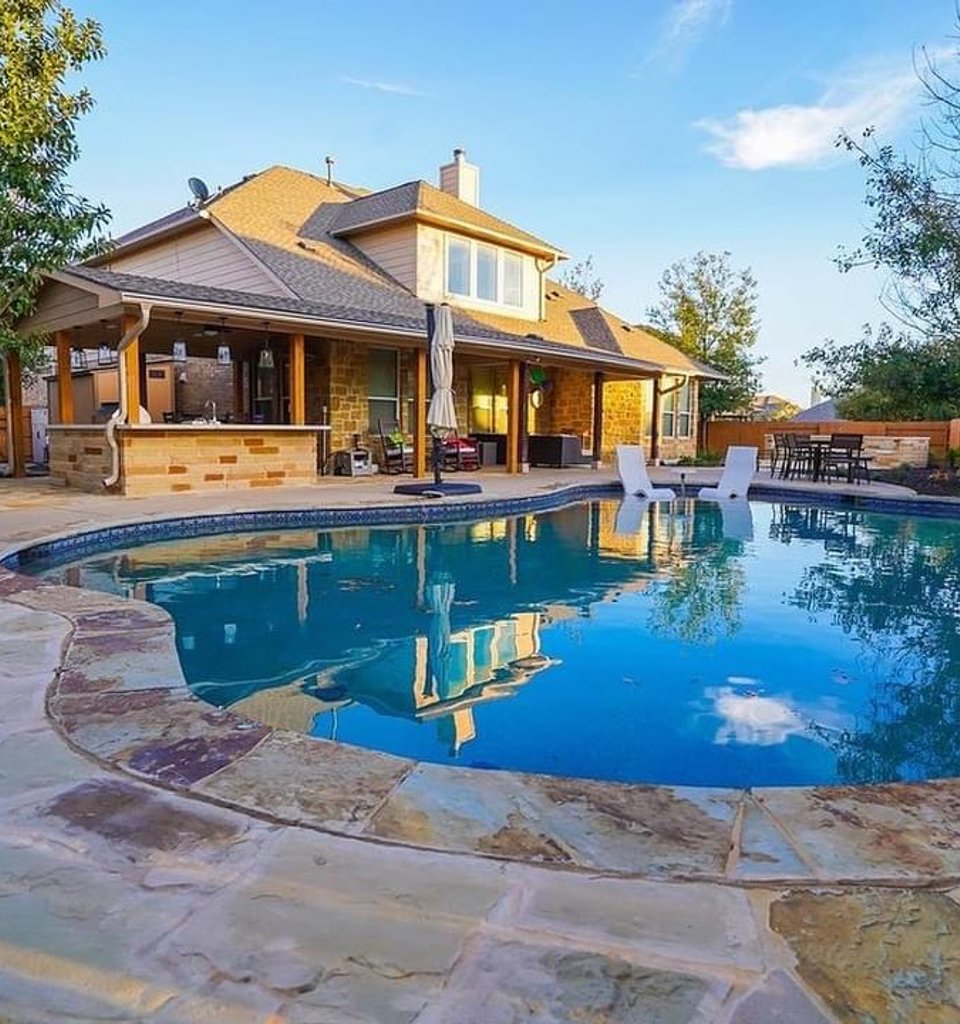 Steiner Ranch Outdoor Kitchen & Pool Retreat
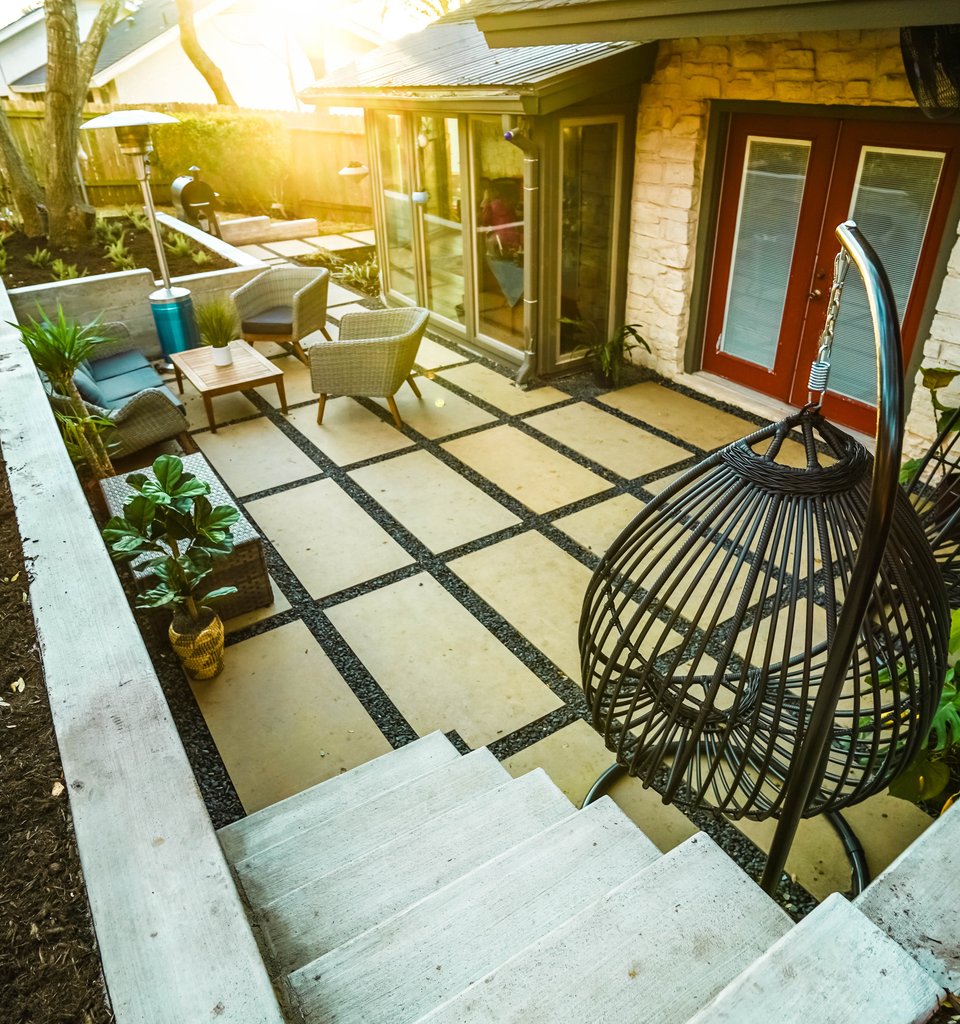 Shoal Creek Terrace Revival
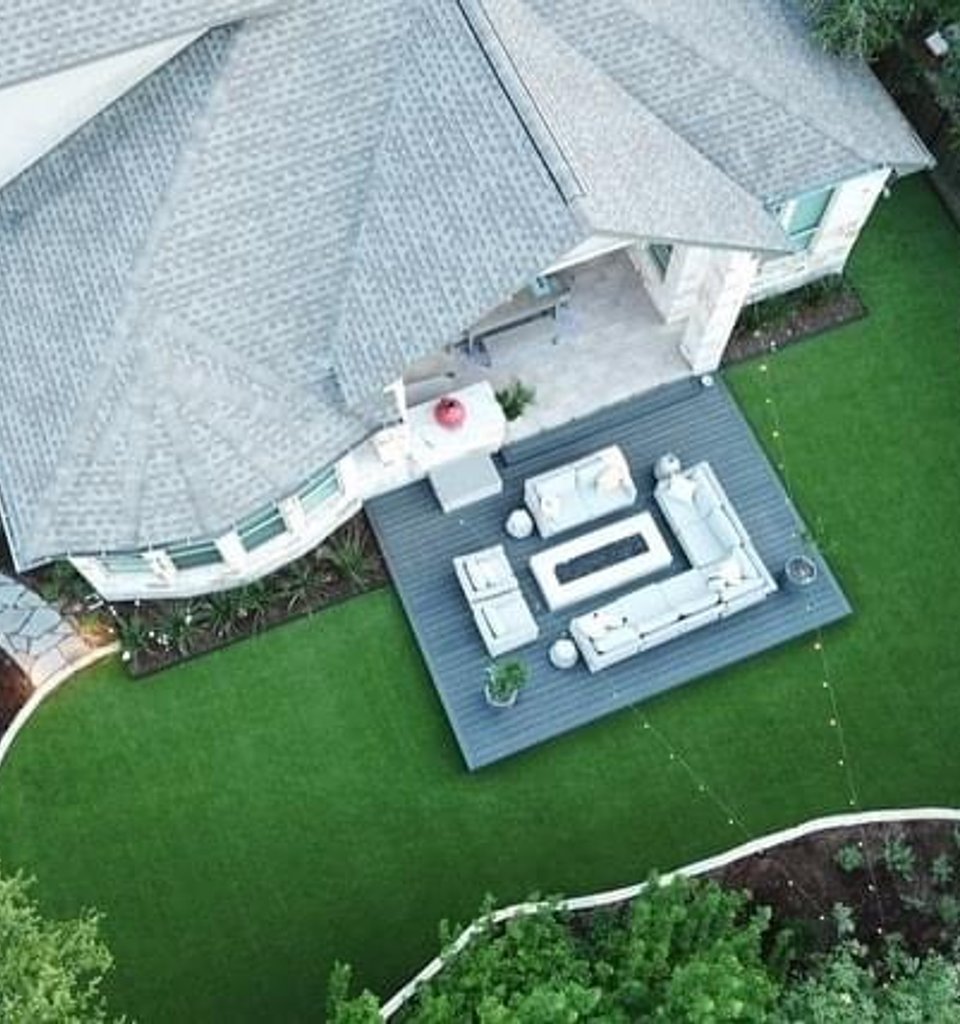 Bee Cave Backyard Under the Oaks
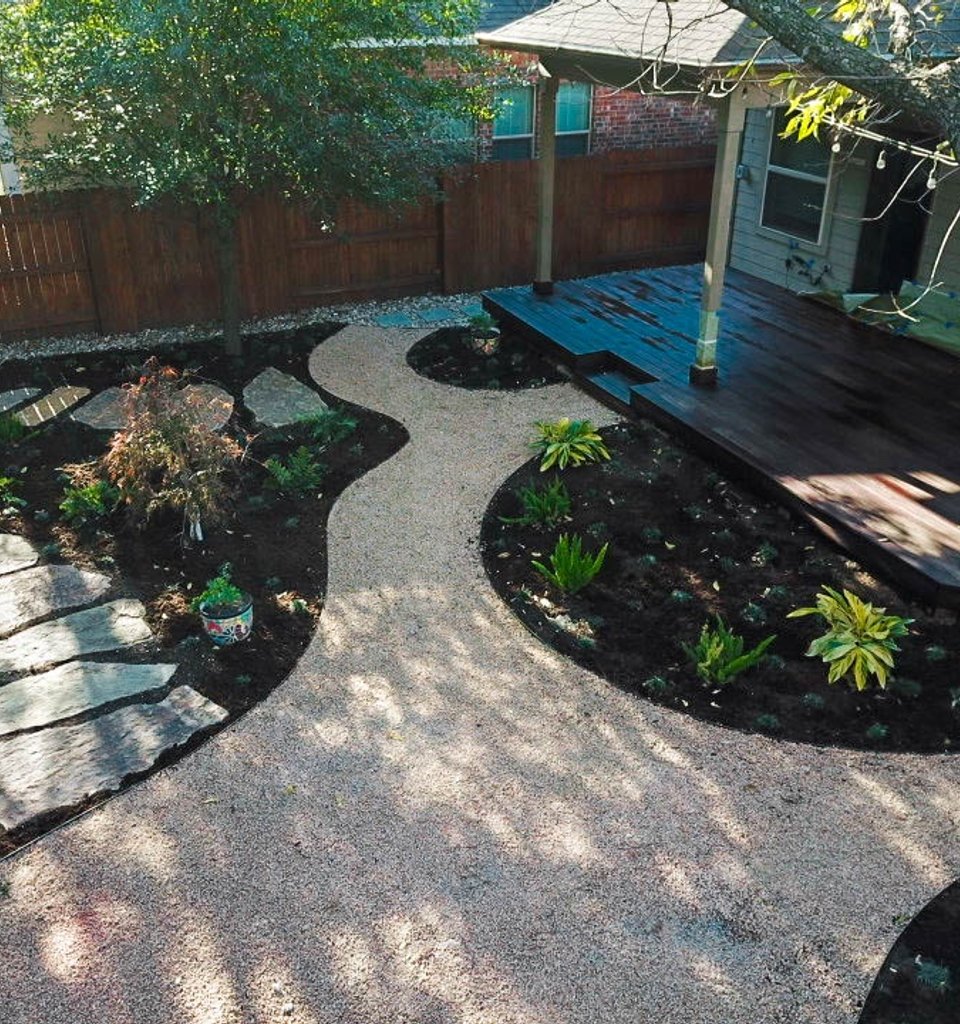 Riverplace Shaded Garden Escape
Frequently Asked Questions
It depends on the look you want. Concrete pavers give a clean, uniform pattern and last for decades. Flagstone and limestone slab fit the Hill Country style, especially on homes with stone fronts. Poured concrete works for modern, monolithic looks. Stepping stones set in decomposed granite suit informal garden walks. We help you match material, color, and texture to your home and budget during the on-site visit.
For a primary front walkway where two people walk side by side, plan on 3.5 to 4 feet wide. Side-yard or service walks usually run 2.5 to 3 feet, which is enough for one person plus a wheelbarrow or hose cart. Curved paths often feel best at the wider end of the range so they read as generous from the street.
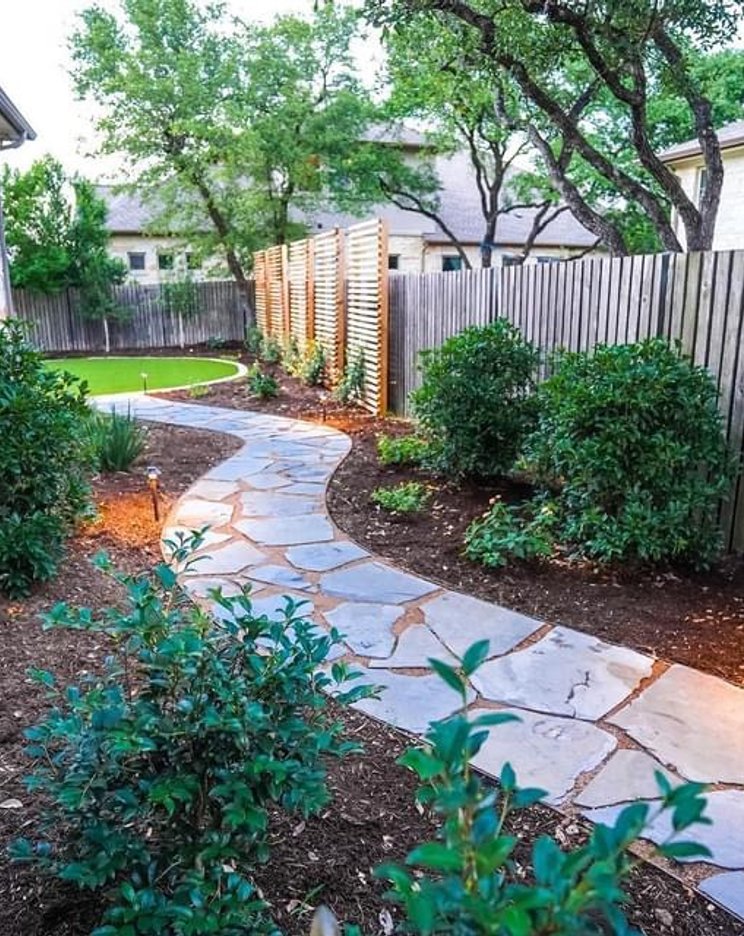
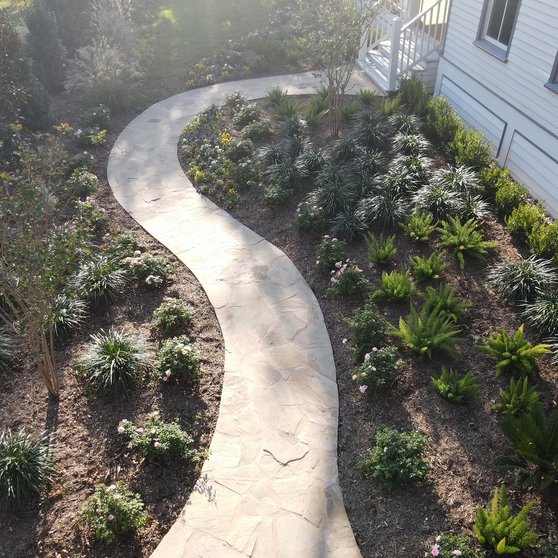
Yes. Flagstone is one of the best materials for curves because each piece is irregular and we cut and fit on site. We lay out the curve with hose or paint, set the perimeter stones first, then fill the interior. The result follows your beds, trees, and grade naturally without forcing a straight line through the front yard.
Austin’s expansive clay moves with moisture, which is why a proper base matters more than the surface material. We excavate to depth, compact the subgrade, and install a crushed base in lifts. On poured concrete we add control joints to direct any future cracks. On pavers and flagstone, the segmental design absorbs movement without breaking. Skipping base prep is the most common reason walkways fail in Central Texas.
Yes. We coordinate low-voltage path lights, step lights, or downlights from nearby trees during the build so wire runs stay hidden under the walkway or in the adjacent beds. Lighting makes the path safer at night and lifts curb appeal year-round. We can install a new transformer or tie into an existing landscape lighting system.
Yes. We match grade at the porch so there is no awkward step or trip edge, and we pick materials that complement your porch surface. For stone porches we often run flagstone or limestone right up to the threshold. For concrete porches we either join with a clean control joint or set pavers with a soldier-course transition. The goal is one continuous, intentional entry.
Most residential walkways take three to seven working days on site once we break ground. Shorter runs in stepping stone or decomposed granite finish faster. Longer front walks in flagstone or pavers, especially with curves or lighting, take the full week. You will have a written start and finish date before we begin.
Fill out the contact form on this page, or call (737)-321-7812. We will schedule a free on-site visit, walk the proposed path with you, talk material options, and follow up with an itemized written quote, usually within one business day.