

Pergola Installation in Austin, TX
Custom cedar and steel pergolas built for the Texas sun. Attached, freestanding, and louvered pergola installation that turns a hot patio into shade you can actually live under. Veteran-owned, 5.0-star rated, with over 20 years of design-build work across the greater Austin area.
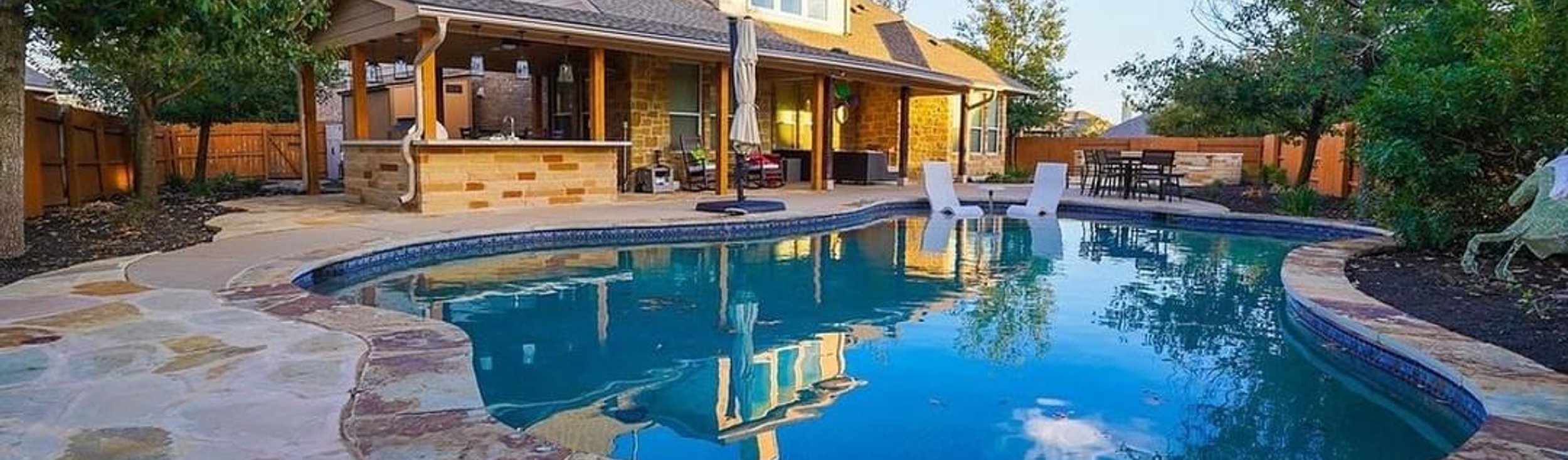
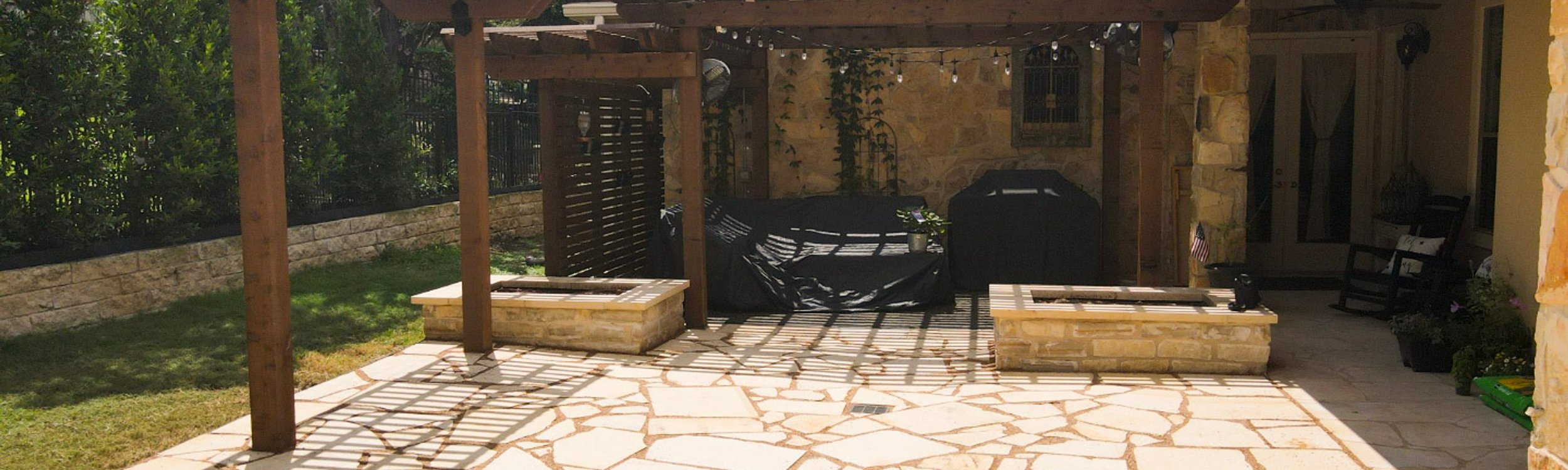
Austin sees around 228 sunny days a year, and that sun makes a bare patio almost unusable from late spring through fall. A pergola fixes that. It throws shade over your patio, deck, or pool, cools the space below, and gives your backyard a real room to live in. It is also the centerpiece of the Hill Country lifestyle, where the best part of the house is the part outside it. Thrive Landscape and Design is a veteran-owned, design-build landscaper with over 20 years building outdoor structures across Travis, Williamson, and Hays counties, and we hold a 5.0 Google rating from 70+ reviews. We build attached, freestanding, and louvered pergolas in cedar, steel, and powder-coated aluminum, set on footings poured to handle our caliche, rock, and clay soils. We handle the design, the HOA submittal, and the City of Austin or Travis County permit, and every estimate is itemized and free. Our permit and structure work follows the City of Austin Development Services and Travis County Development Services standards.
Learn More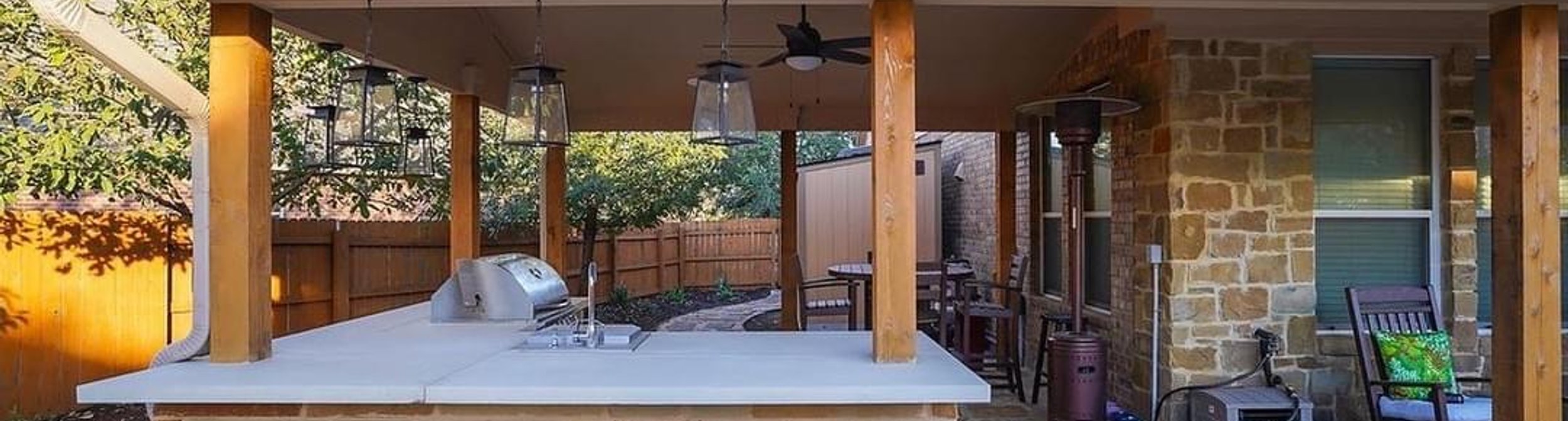
- 500+ Projects Completed
- 20+ Years Experience
- 5.0 Google Rating
Explore Our Full Outdoor Structures Lineup
Custom Deck Construction
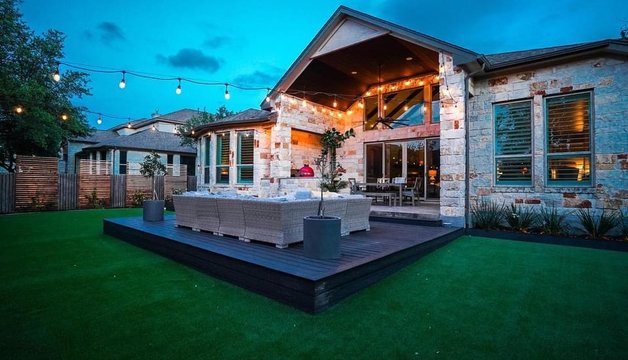
Wood and composite decks built to fit your slope, your views, and the way you use your yard.
Learn More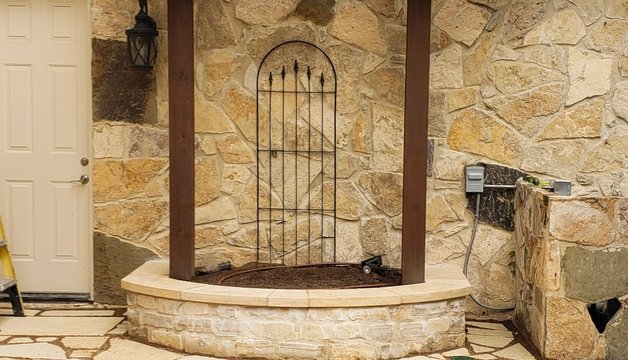
Gazebos & Arbors
Gazebos, arbors, and trellises that add a shaded focal point and frame an entry or garden path.
Learn More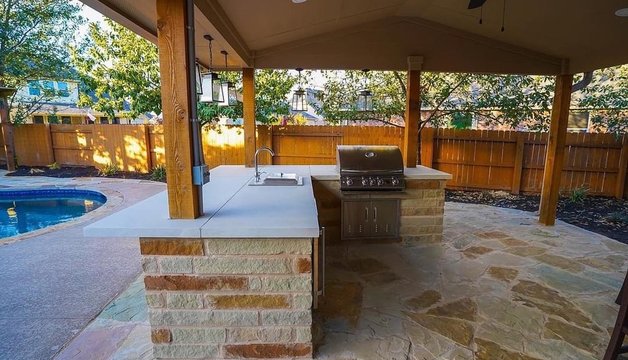
Outdoor Kitchens
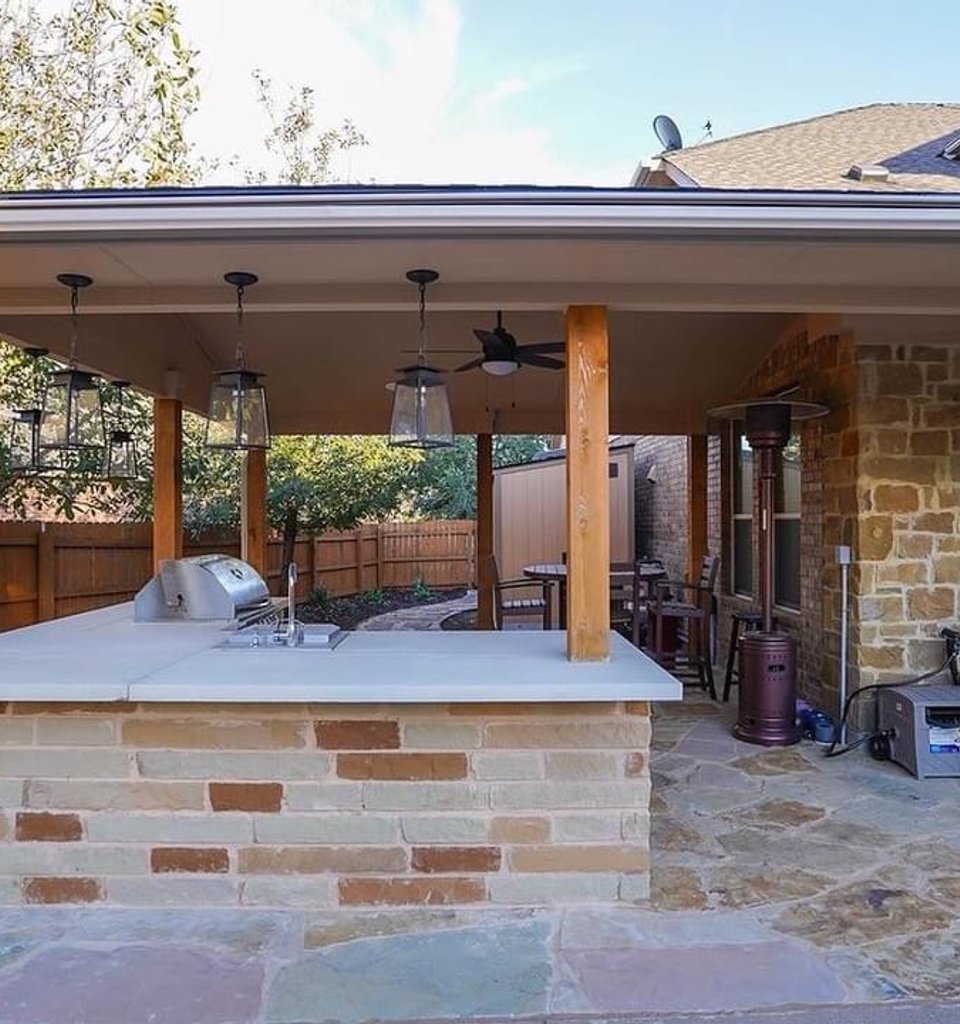
Built-in grills, counters, and bars, often paired with a pergola for shade over the cook.
Learn More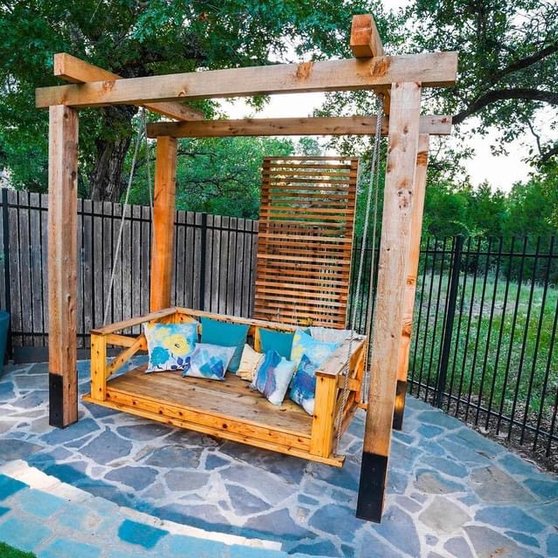
All Outdoor Structures
See the full range of pergolas, decks, gazebos, and shade structures we build in Austin.
Learn More
Our Process
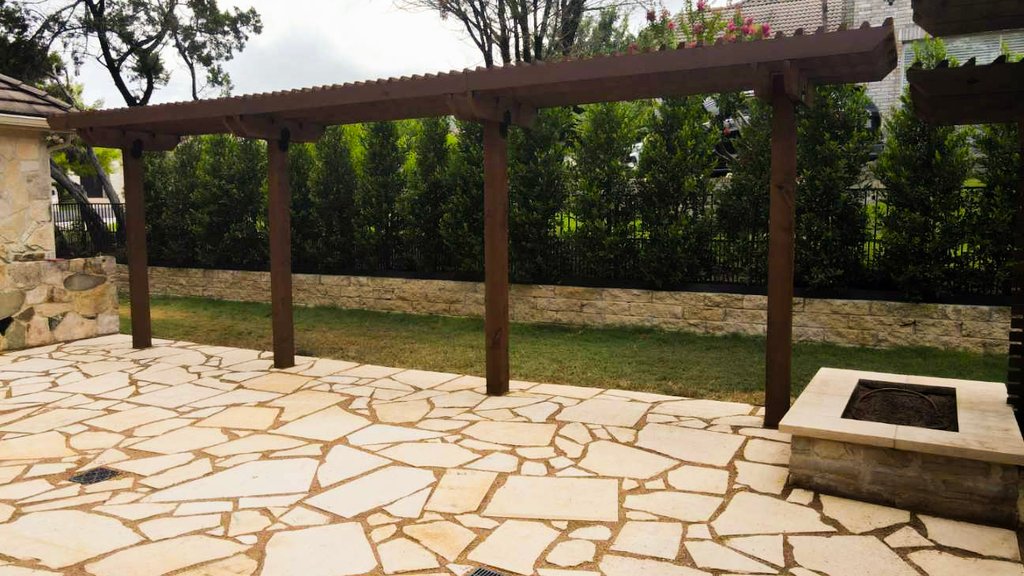
Free On-Site Consultation & Design
We walk your patio with you, check where the sun falls through the day, and look at door and roofline heights. We listen to how you want to use the space: shade a dining area, cover an outdoor kitchen, or build a free-standing patio cover by the pool. Then we lay out the pergola size, style, and placement and give you a clear, itemized written quote with no pressure to decide on the spot.
Material Selection & Approvals
We help you choose between cedar, steel, and powder-coated aluminum, and decide on a fixed roof, an open grid, or an adjustable louvered roof. We then handle the paperwork. An attached pergola almost always needs a City of Austin or Travis County permit, and we manage that application along with your HOA submittal so the approvals do not stall your build.
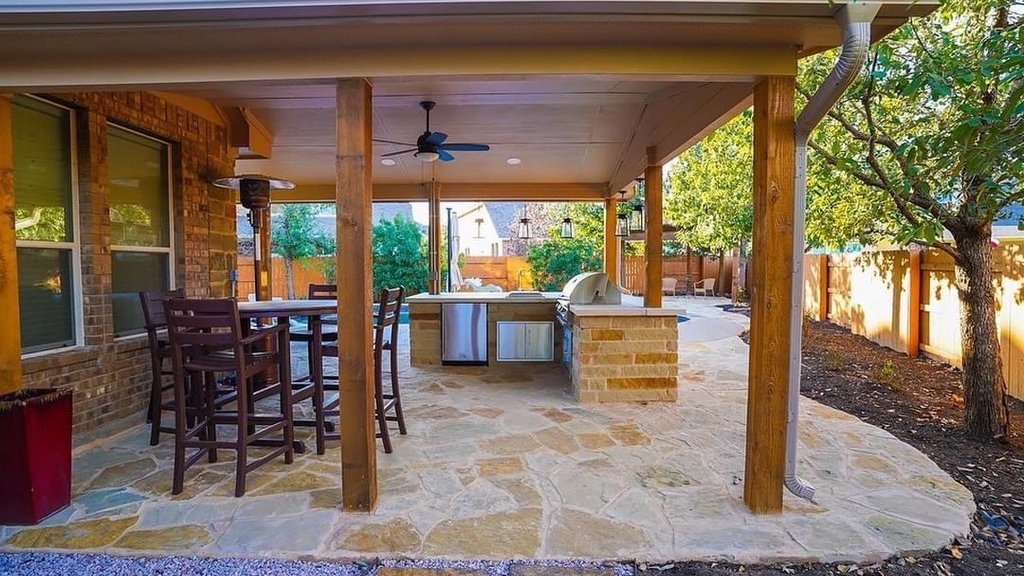
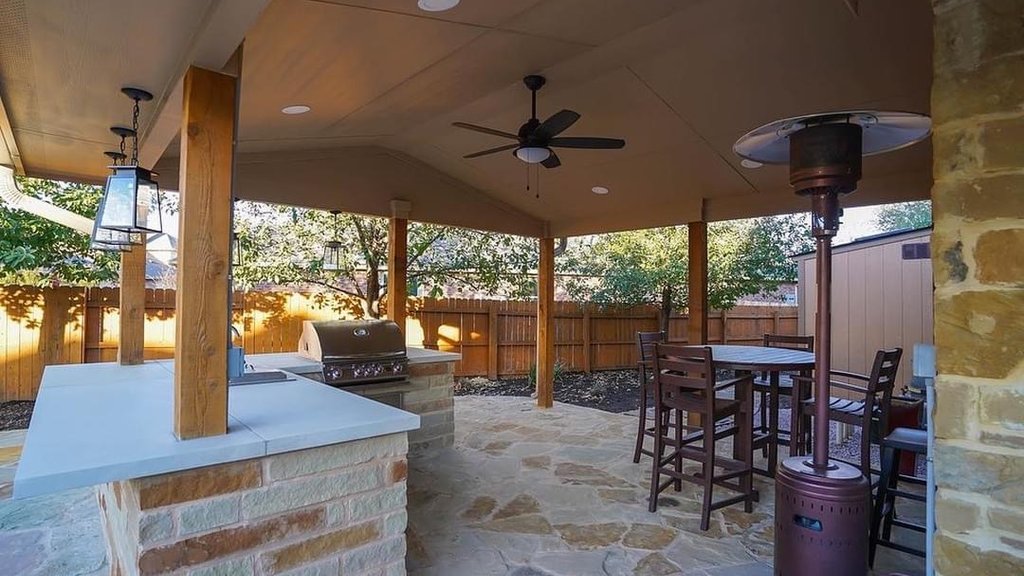
Footings & Post-Setting
This is where a pergola lives or leans. Our caliche and limestone are hard, so we often drill or break through rock to reach proper depth, while our clay soils shift when they get wet. We dig the footings, set a compacted gravel base for drainage, and pour concrete footings sized for wind load. Every post is set plumb and locked in solid so the structure does not rack after a few Texas storms.
Pergola Construction
We build the pergola square, level, and plumb. Cedar is cut, set, and fastened by hand, with the beams and rafters spaced for the shade you want. Steel and aluminum frames are bolted to engineered connections, and a louvered roof is fitted so the slats pivot smoothly. An attached pergola is tied into the house wall with proper flashing, and a free-standing one is braced for our gusty spring winds.
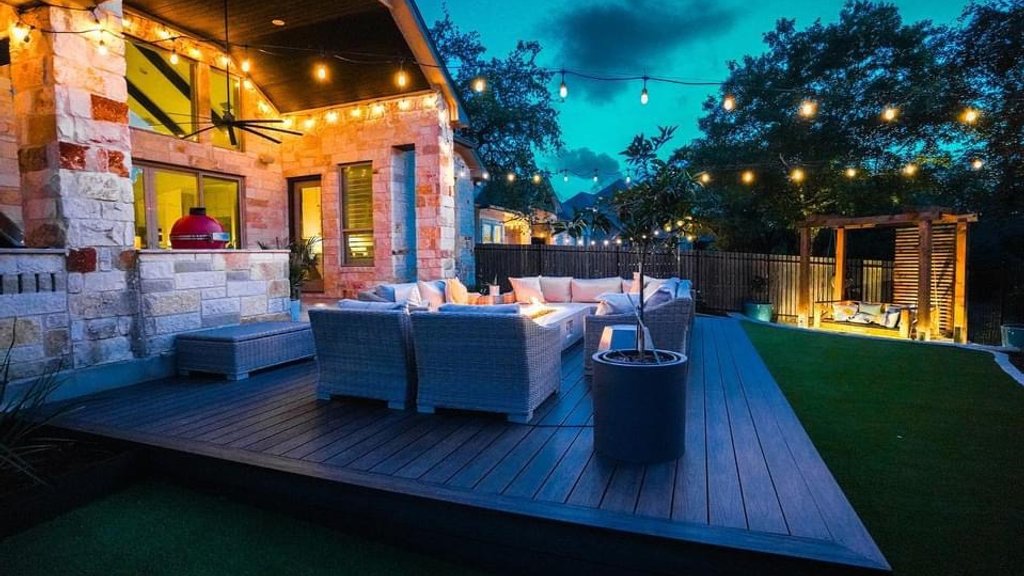
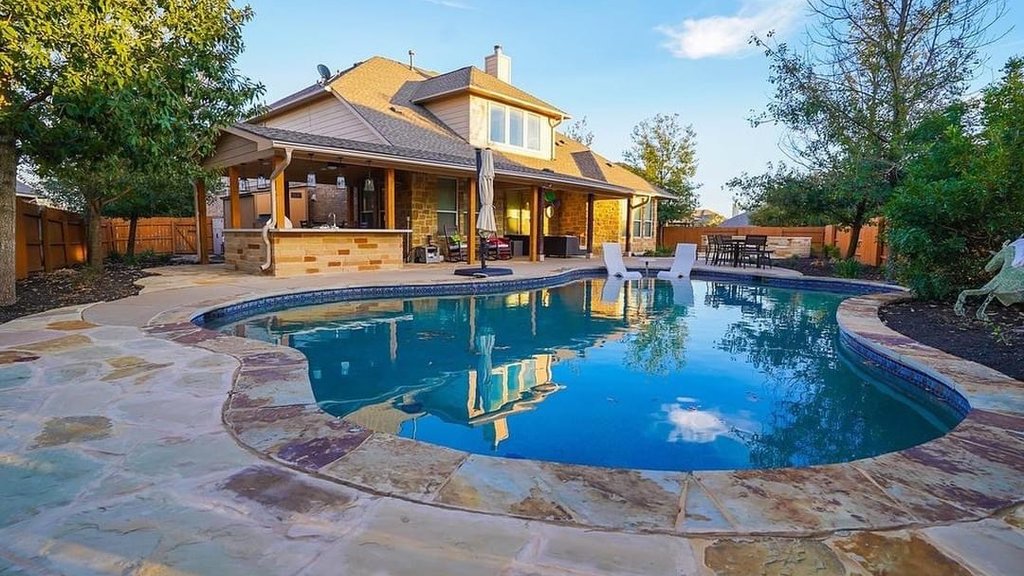
Finish, Cleanup & Final Walk-Through
We seal cedar or finish the metal, add any lighting, fans, or screens you chose, and haul off all debris. Then we walk the finished pergola with you, test a louvered roof if you have one, and show you how to care for it. You end with a clean site and a shaded, usable outdoor room where a sun-baked patio used to be.
Custom Pergola Installation
Travis, Luis and the crew did an amazing job on our front yard landscaping. Travis had a vision that we could've never come up with on our own. They were communicative, hard working and had incredible attention to detail. We were really impressed with our experience and will… Read more

We’ve been very impressed with Travis and his team at Thrive Landscaping. From the initial design consultation through revisions and installation, the entire process was smooth, thorough, and high quality. We needed an HOA-compliant design that improved drainage and reduced… Read more
Travis was very responsive on the pricing . Luis and the crew did an amazing job and fixed a lot of problems that the prior firm had created. Very pleasant group and seem to want to please clients.
Great people providing outstanding service. Our yard has never looked better. And best of all, they stand behind their work. If something needs attention after the job is finished, they’re right on it.
After interviewing several companies, we chose Thrive Landscape to create some hardscaping for our back yard. They installed stone paving for our patio and pool area, a gravel area for our fire ring, and a raised gravel pad for a greenhouse. Everything looks great! We had a good… Read more
Thrive replaced some dying plants in a white rock bed and left it clean and beautiful. You would never know they had been in the rock bed at all - no dirt, no disruption - they left it better than they found it!
Our neighbor a few houses down had Thrive do his property and we liked how it looked, so we decided to contact them to see what it would cost to do our house. Wanted to get rid of the sand burrs and decided to do stone, rock and mulch for the whole yard in front of the house. I… Read more
We have used Thrive landscape for several projects over the past two years. They have delivered outstanding service, careful attention to detail, and impeccable service and care after the project was complete. Travis Odom is outstanding, and his vision helped us transform our… Read more
We were very pleased with Thrive from the initial bid to the completion of the project. We had our front yard and backyard landscaped. Communication was excellent and when a couple issues occurred they were quickly resolved. The onsite crew was great to work with and were… Read more
Excellent service and advice. Knowledgeable, on time, communicative owner, and crew. This is the place you want to call for your landscaping needs! We are extremely satisfied with the outcome and will use the service again. Thank you Travis and crew.
I was really pleased with Thrive. Travis arrived exactly on time for the quote, had a great design, and was able to start quickly once the plans were approved by my HOA. The crew was polite and worked quickly. They left the whole worksite very neat, and my front yard now looks… Read more
Had grass that was dead, Travis and his team transformed my backyard in a few days!
I am a repeat customer of Travis's. He recently transformed my front yard. The design was perfect for what we wanted to accomplish and the crew did high quality work which included clean-up. I will keep coming back to him in the future.
Thrive is a very professional and excellent business - they did a wonderful job on my project and I couldn't be more pleased with the end results. Will definitely use them again!
I had an outstanding experience with Thrive. Quality, honesty, value and customer service were phenomenal! Exceeded my expectations!
Swapped out black stone that were killing my plants with mulch. Added a bunch of plants and sod. Also got my irrigation and stone walkway complete. I say it is all looking great.
I don't know where to begin. Travis and his team provided an amazing landscape design, strategy, and results on our backyard for my 50th birthday celebration. Travis was patient and very detailed with his quote and made sure he covered every detail with me. Once we decided to… Read more
I’ve done two projects with these guys to include a landscaping project where I added sod, metal planters, and plants. The second was a fence repair and both turned out great. They were fairly priced, scheduled quickly, executed on time, and worked through my lunch list at the… Read more
We chose Thrive Landscaping after a friend of ours used them for their own backyard and we could not be happier with our decision. Travis and team were incredibly professional, thorough and communicative the entire time. They added new grass, flowers, gravel and lights to our… Read more
Travis with Thrive Landscape & Design did an amazing job redesigning our backyard! They were hard-working, timely, responsive and appreciated their craftsmanship they put into the project. The space looks better than we imagined — highly recommend!
Wow! Travis and his team did an amazing job refreshing our back yard! They were professional, prompt, respectful and above all had an eye for detail! It was an absolute pleasure working with them to create our dream back yard! I highly recommend Thrive Landscape and DESIGN… Read more
Our project was the tear-out, re-design and rebuild of a fairly substantial deck. Great experience with Travis Odom and Thrive Landscape. Travis is congenial, professional and great to work with. The guys on site did excellent work. We’re very happy with the finished product and… Read more
Mr Travis Odom made an excellent, unique, and original cedar fence design that we ended up using.
Great design and construction for my landscaping project. Travis and his crew were very attentive and detailed. They also took on board our feedback and we’re very willing to evolve their designs.
Travis did a great job fixing the drainage along the side of my house! Was very responsive, timely, and reasonably priced. Would reach out to again for any future landscaping needs.
Travis was very responsive and did an excellent job designing our difficult yard. We LOVE the end result and can’t wait to do phase two. Can’t say enough how happy we are with the design!
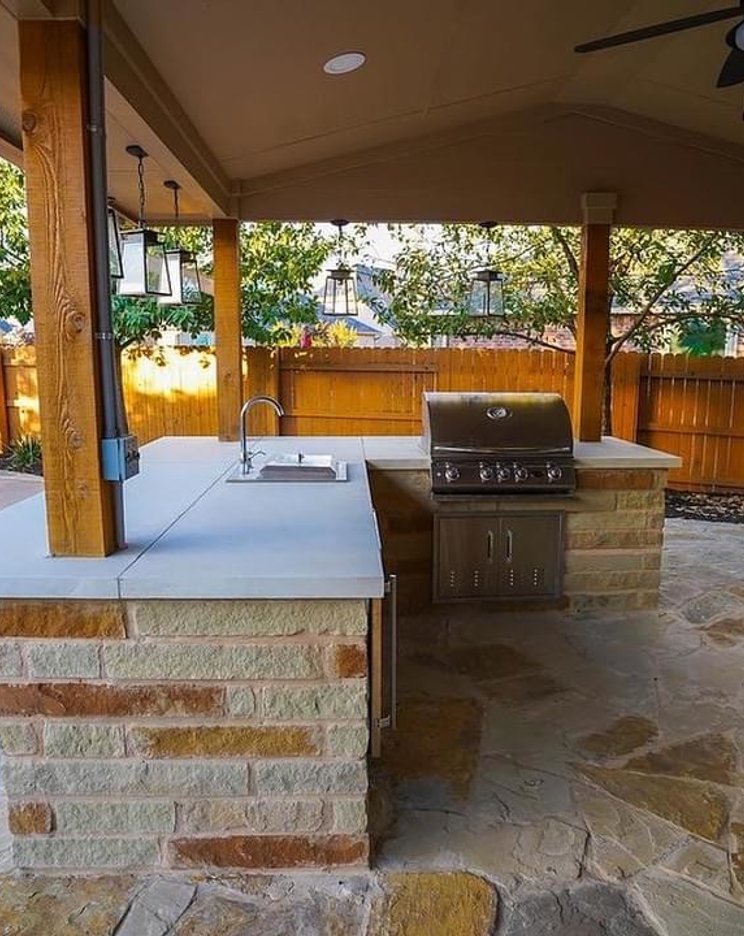
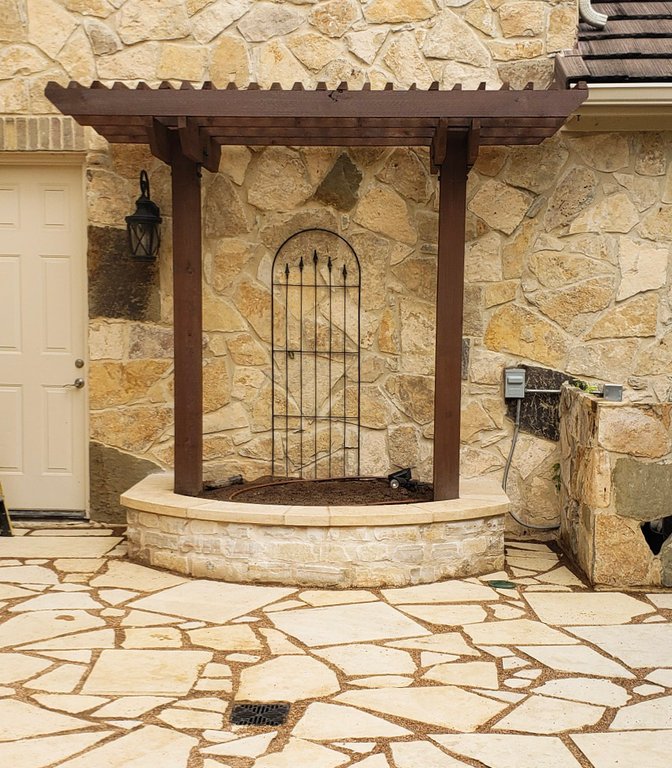
Attached, Freestanding & Louvered Pergolas
Built In Cedar, Steel & Aluminum For Texas Sun
The right pergola depends on where it goes, how much shade you want, and how much upkeep you are up for. Here is how the styles and materials we build most often compare for an Austin backyard. Every pergola is set on concrete footings poured for our soils and wind.
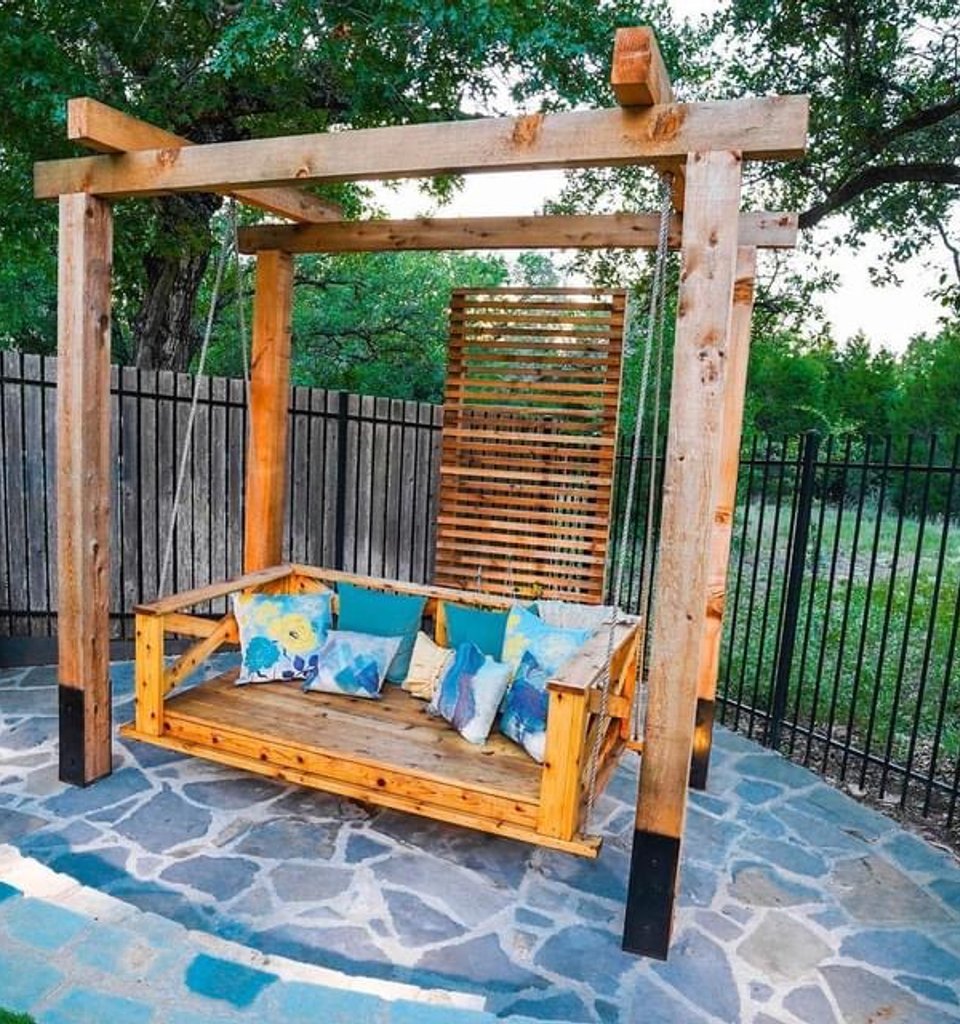
Request A QuoteAn attached pergola ties into your house and extends your living space right off a back door or kitchen. A freestanding pergola stands on its own posts, so you can place it over a fire pit, by the pool, or out in the yard. Attached structures almost always need a permit, and we handle that for you.
A louvered pergola has a roof of pivoting slats you open for breeze and dappled light or close for full shade and rain. Most are aluminum and many are motorized. It is the premium tier, and in a climate with as much sun as ours, it gives you a patio you can use on a blazing afternoon and a dry one in a spring downpour.
Cedar gives a warm, natural look that suits Hill Country homes and resists rot and bugs, but it needs a fresh seal every year or two to fight our UV. Steel and powder-coated aluminum shrug off sun, heat, and rain, resist rust, and need little more than a rinse. We match the material to your look, budget, and how much upkeep you want.
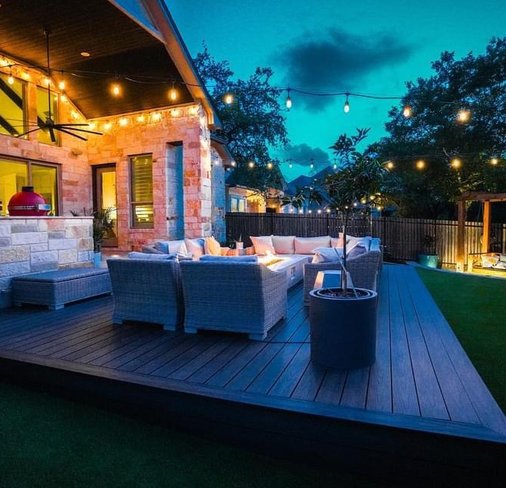
Why Choose Thrive Landscape and Design?
Built For Texas Sun
With around 228 sunny days a year, shade is the whole point. We orient and size every pergola for real sun protection and build in cedar, steel, or louvered aluminum to stand up to our UV and heat.
Footings Set For Our Soils
Caliche and rock are hard to dig, and our clay shifts when wet. We drill to depth, set a gravel base, and pour concrete footings sized for wind load so your pergola stays plumb for the long haul.
Permit & HOA Handled
An attached pergola almost always needs a City of Austin or Travis County permit. We prepare submission-ready plans and handle the permit and your HOA review so the paperwork does not stall your project.
Veteran-Owned, 20+ Years
We are a veteran-owned, design-build landscaper with over 20 years in Central Texas and a 5.0 Google rating from 70+ reviews. You work with the team that designs and builds your pergola.
Austin’s Go-To Pergola Builder
We design and build pergolas across Austin and the surrounding Hill Country, from shaded patios in Lakeway and Bee Cave to poolside structures in Steiner Ranch and Dripping Springs, with full attention to local sun, soil, permit, and HOA requirements.
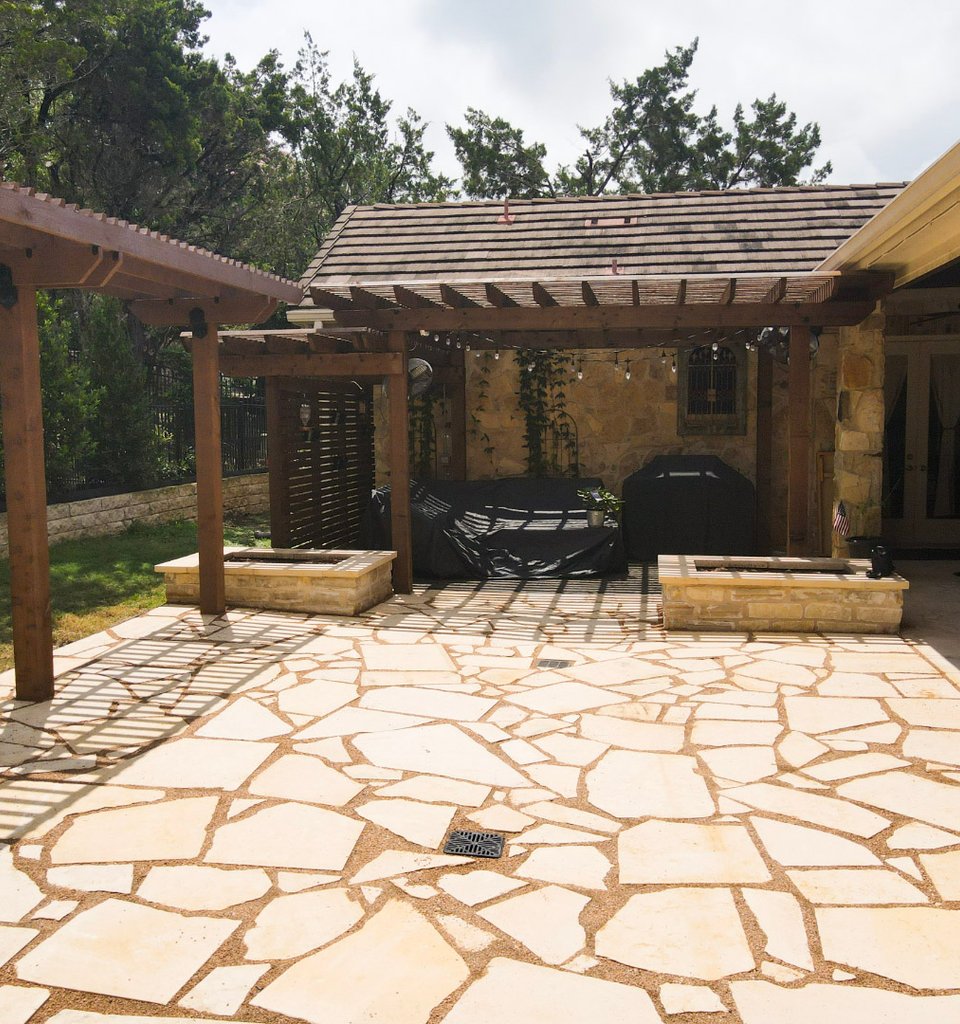
Frequently Asked Questions
A pergola is an open structure with posts and an overhead grid of beams that throws partial, dappled shade and keeps air moving. A patio cover has a solid roof that blocks sun and rain so the space underneath stays dry. The line blurs once you add a roof: a louvered pergola gives you both, with movable slats you open for breeze or close for full shade. We help you pick the right one for how you use the space and the look you want.
Often, yes, especially for an attached pergola. The City of Austin treats covered patio structures under the residential patio cover code, so an attached pergola usually needs a building permit to meet wind-load and setback rules. A small freestanding pergola can sometimes fall under the accessory-structure size limits, depending on its footprint and your lot. We confirm what your project needs and handle the permit and HOA submittal for you.
Cost depends on size, material, and whether the roof moves. A simple freestanding cedar pergola sits at the lower end. A larger custom cedar or steel pergola costs more, and a motorized louvered pergola is the premium tier. Footing work in caliche or rock, an attached connection, lighting, and screens add to the number. We measure on site and give you an itemized, written estimate for free.
An attached pergola ties into your house wall and extends your living space right off a back door or kitchen. A freestanding pergola stands on its own posts, so you can place it over a fire pit, by the pool, or out in the yard. Attached pergolas almost always need a permit, while a small freestanding one sometimes does not. We walk your yard, look at sun angles and door layout, and recommend the right fit.
Both work well here; they just trade differently. Cedar gives a warm, natural look that suits Hill Country homes and resists rot and bugs, but it needs a fresh seal or stain every year or two to fight our UV, and lasts roughly fifteen to twenty-plus years with that care. Steel and powder-coated aluminum shrug off sun, heat, and rain, resist rust, and need little more than a rinse. We match the material to your look, budget, and upkeep.
A louvered pergola has a roof of pivoting slats you open for breeze and light or close for full shade and rain. Most are aluminum and many are motorized, so you adjust the roof with a remote or an app. It is the premium tier and costs more than a fixed pergola, but in a climate with as much sun as Austin it earns its keep: a usable patio on a blazing August afternoon and a dry one in a spring downpour.
Yes, and it is one of the most popular things we build. A pergola over an outdoor kitchen shades the cook and the counters and gives lighting and a fan something to hang from. Over a deck or patio, it defines a dining or lounge zone and makes the space usable in summer. As a design-build landscaper, we plan the pergola, kitchen, deck, and patio together so the posts, footings, and rooflines all line up.
Caliche and limestone are hard, so we often drill or break through rock to reach the right depth, while our clay soils shift when they get wet and dry out. Either way, we dig footings below grade, set a compacted gravel base for drainage, and pour concrete footings that lock the posts in plumb and solid. We size and reinforce the footings for the wind load the pergola has to take, which keeps it from leaning after a few Texas storms.