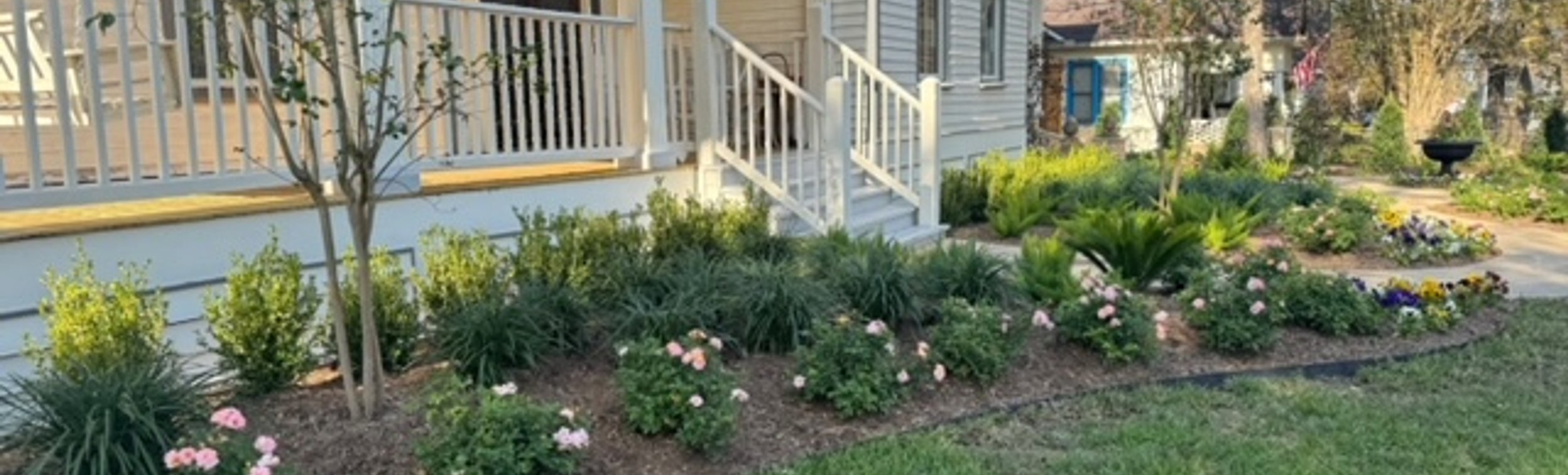

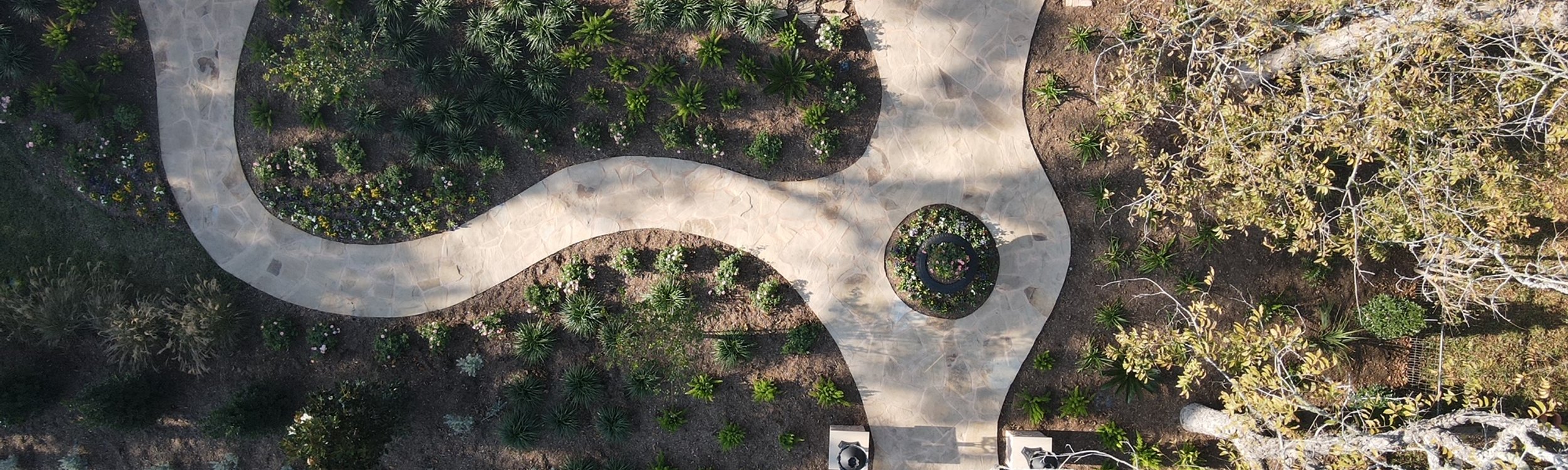

Garden Bed Installation in Austin, TX
Raised beds, steel and stone edging, and custom planting beds built for Austin clay, caliche, and Hill Country heat. Veteran-owned, 5.0-star rated, with over 20 years of design-build work across the greater Austin area.
Austin soil is hard on a garden bed. East and central Austin sit on heavy Blackland clay that holds water and cracks when dry, while west Austin and the Hill Country sit on shallow caliche and limestone that fights every shovel. Drop plants straight into that ground and they struggle. Thrive Landscape and Design is a veteran-owned, design-build landscaper with over 20 years installing garden beds, flower beds, and raised beds across Travis, Williamson, and Hays counties, and we hold a 5.0 Google rating from 70+ reviews. We build the part you do not see first: real drainage, amended soil, and clean steel or stone edging that keeps beds sharp for years. Then we plant drought-tolerant, deer-resistant species suited to Austin heat. Most beds run from a few hundred dollars for a small flower bed to several thousand for large raised beds with edging and full planting, and every estimate is itemized and free. Our soil and planting choices follow guidance from Texas A&M AgriLife Extension, Travis County and the City of Austin watering rules.
Learn More
- 500+ Projects Completed
- 20+ Years Experience
- 5.0 Google Rating
Explore Our Full Landscaping Lineup
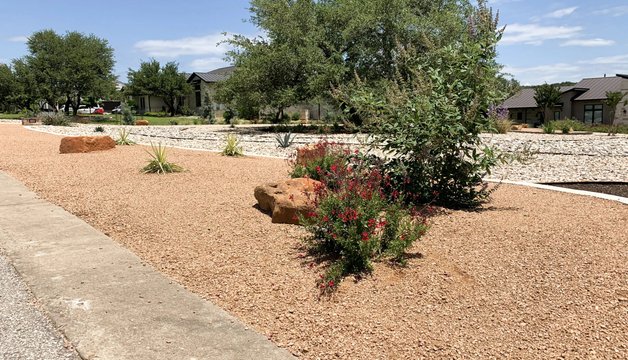
Planting Installation
Trees, shrubs, perennials, and sod planted right the first time for caliche soil and Texas heat.
Learn More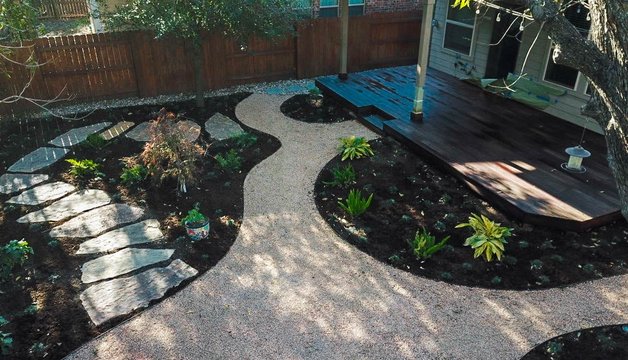
Mulching
Fresh mulch that locks in moisture, blocks weeds, and protects bed soil through a dry Austin summer.
Learn More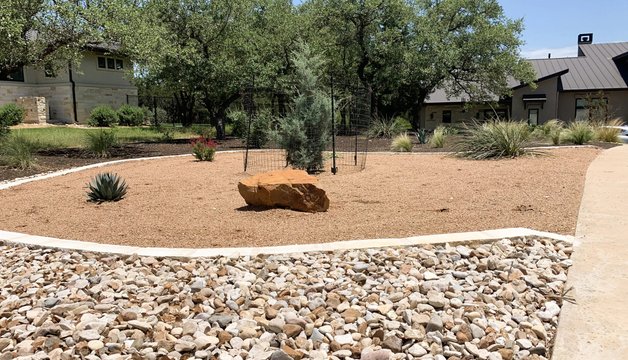
Tree & Shrub Planting
Right-sized trees and shrubs placed and planted to thrive in Central Texas soil and sun.
Learn More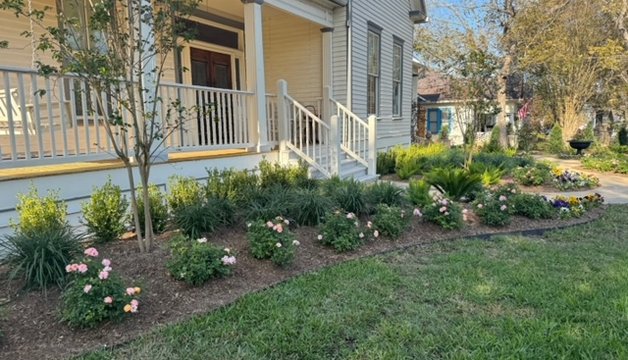
All Landscaping Services
See the full range of planting, garden beds, mulching, and tree work we do across Austin.
Learn More
Our Process
Free Design Consultation
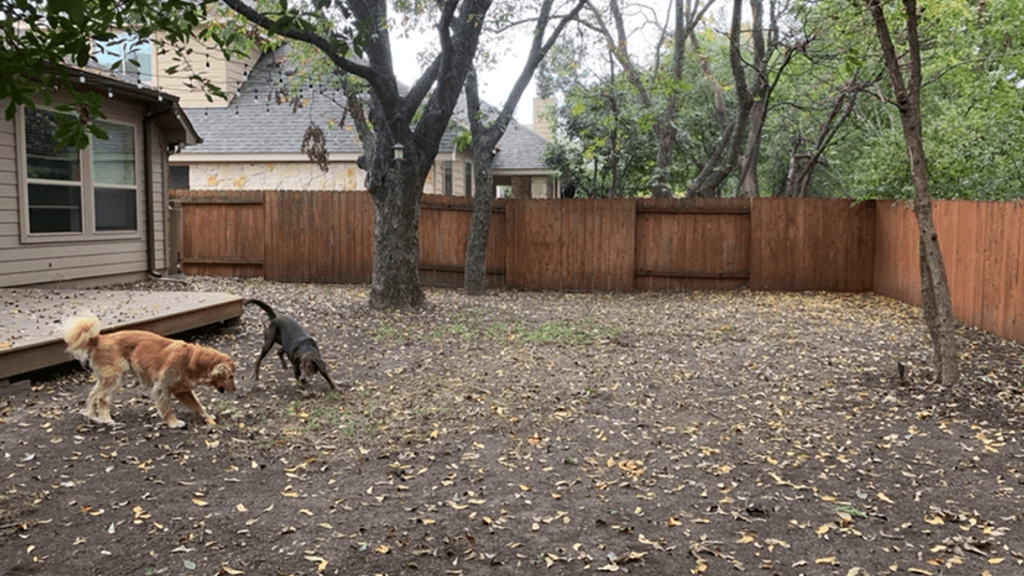
We walk the yard with you, look at sun, shade, and where water runs after a storm, and listen to what you want the beds to do. Grow flowers, frame a walkway, screen a fence, or feed the kitchen. You get honest options for bed shape, edging, and plants, plus a clear, itemized written estimate, with no pressure to decide on the spot.
Soil Assessment & Amendment
We test what you are working with: heavy Blackland clay in east and central Austin, or shallow caliche and limestone out west. Then we amend the right way. We add compost and expanded shale to loosen clay, never sand, since sand binds with clay and makes it harder. For thin, rocky soil we build the bed up so roots grow above the rock instead of fighting it.
Bed Construction & Drainage
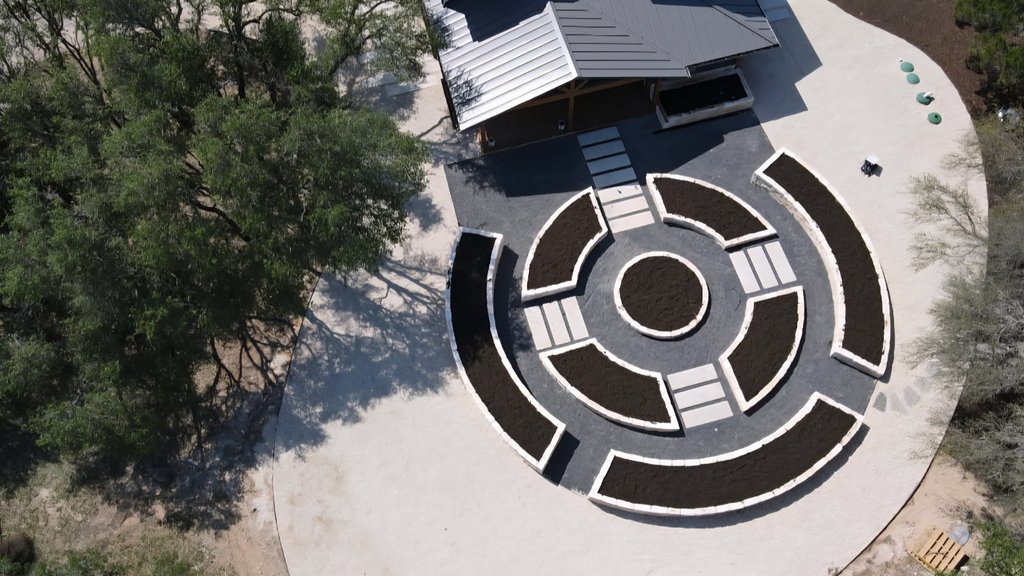
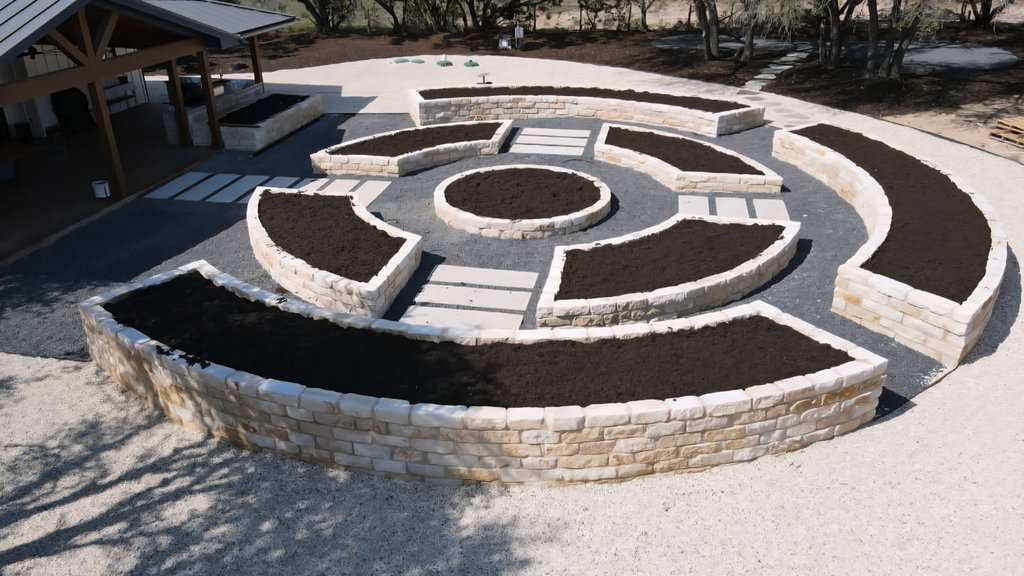
We shape and build the beds, raised or in-ground, and we grade them so water moves through and away. Raised beds lift the root zone above wet clay and drain freely. We avoid the classic mistake of digging a hole in clay and filling it with loose compost, which traps water like a bowl. Beds get a quality soil blend with at least 30 percent real soil, not pure compost.
Planting
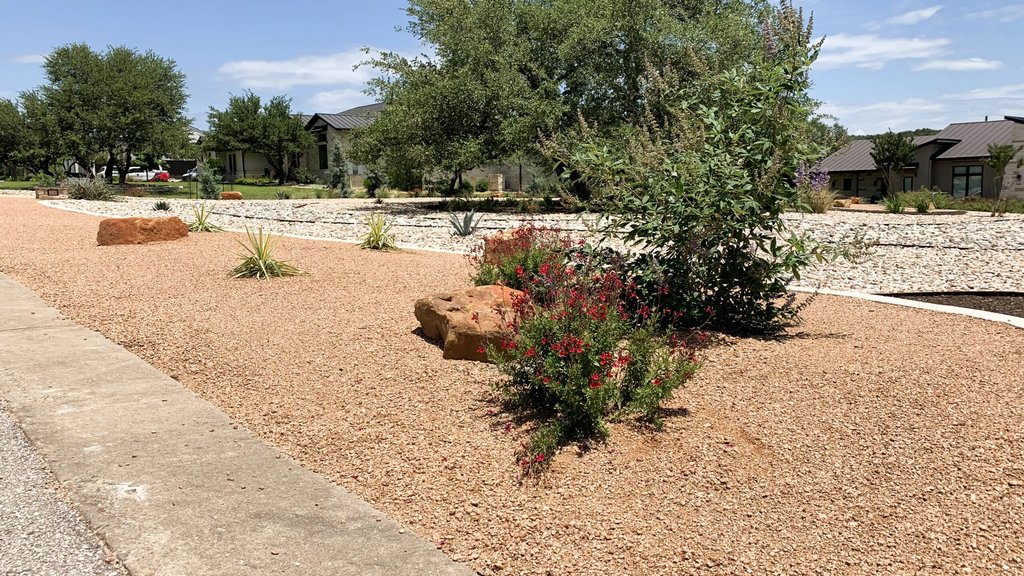
We set plants chosen for your light, your soil, and Austin water limits. Drought-tolerant, mostly native picks like salvia greggii, lantana, yarrow, blackfoot daisy, and ornamental grasses bloom on little water once established. On Hill Country lots with deer pressure, we choose deer-resistant plants with aromatic, tough, or fuzzy leaves that deer tend to skip. Fall is the best time to plant, so roots set before summer.
Edging, Mulch & Final Walk-Through
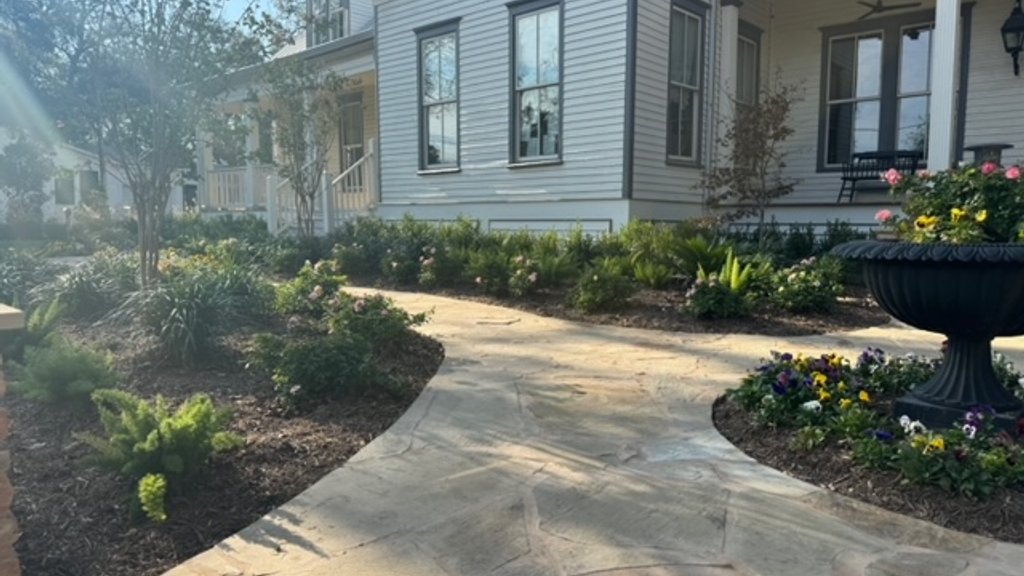
We finish the beds with clean steel or stone edging that holds the line and keeps grass out, then top them with mulch to lock in moisture and block weeds. We haul off all debris, walk the finished beds with you, and explain how to water through the establishment window under City of Austin rules. You end with sharp, planted beds and a clean yard.
Expert Garden Bed Installation
Travis, Luis and the crew did an amazing job on our front yard landscaping. Travis had a vision that we could've never come up with on our own. They were communicative, hard working and had incredible attention to detail. We were really impressed with our experience and will… Read more

We’ve been very impressed with Travis and his team at Thrive Landscaping. From the initial design consultation through revisions and installation, the entire process was smooth, thorough, and high quality. We needed an HOA-compliant design that improved drainage and reduced… Read more
Travis was very responsive on the pricing . Luis and the crew did an amazing job and fixed a lot of problems that the prior firm had created. Very pleasant group and seem to want to please clients.
Great people providing outstanding service. Our yard has never looked better. And best of all, they stand behind their work. If something needs attention after the job is finished, they’re right on it.
After interviewing several companies, we chose Thrive Landscape to create some hardscaping for our back yard. They installed stone paving for our patio and pool area, a gravel area for our fire ring, and a raised gravel pad for a greenhouse. Everything looks great! We had a good… Read more
Thrive replaced some dying plants in a white rock bed and left it clean and beautiful. You would never know they had been in the rock bed at all - no dirt, no disruption - they left it better than they found it!
Our neighbor a few houses down had Thrive do his property and we liked how it looked, so we decided to contact them to see what it would cost to do our house. Wanted to get rid of the sand burrs and decided to do stone, rock and mulch for the whole yard in front of the house. I… Read more
We have used Thrive landscape for several projects over the past two years. They have delivered outstanding service, careful attention to detail, and impeccable service and care after the project was complete. Travis Odom is outstanding, and his vision helped us transform our… Read more
We were very pleased with Thrive from the initial bid to the completion of the project. We had our front yard and backyard landscaped. Communication was excellent and when a couple issues occurred they were quickly resolved. The onsite crew was great to work with and were… Read more
Excellent service and advice. Knowledgeable, on time, communicative owner, and crew. This is the place you want to call for your landscaping needs! We are extremely satisfied with the outcome and will use the service again. Thank you Travis and crew.
I was really pleased with Thrive. Travis arrived exactly on time for the quote, had a great design, and was able to start quickly once the plans were approved by my HOA. The crew was polite and worked quickly. They left the whole worksite very neat, and my front yard now looks… Read more
Had grass that was dead, Travis and his team transformed my backyard in a few days!
I am a repeat customer of Travis's. He recently transformed my front yard. The design was perfect for what we wanted to accomplish and the crew did high quality work which included clean-up. I will keep coming back to him in the future.
Thrive is a very professional and excellent business - they did a wonderful job on my project and I couldn't be more pleased with the end results. Will definitely use them again!
I had an outstanding experience with Thrive. Quality, honesty, value and customer service were phenomenal! Exceeded my expectations!
Swapped out black stone that were killing my plants with mulch. Added a bunch of plants and sod. Also got my irrigation and stone walkway complete. I say it is all looking great.
I don't know where to begin. Travis and his team provided an amazing landscape design, strategy, and results on our backyard for my 50th birthday celebration. Travis was patient and very detailed with his quote and made sure he covered every detail with me. Once we decided to… Read more
I’ve done two projects with these guys to include a landscaping project where I added sod, metal planters, and plants. The second was a fence repair and both turned out great. They were fairly priced, scheduled quickly, executed on time, and worked through my lunch list at the… Read more
We chose Thrive Landscaping after a friend of ours used them for their own backyard and we could not be happier with our decision. Travis and team were incredibly professional, thorough and communicative the entire time. They added new grass, flowers, gravel and lights to our… Read more
Travis with Thrive Landscape & Design did an amazing job redesigning our backyard! They were hard-working, timely, responsive and appreciated their craftsmanship they put into the project. The space looks better than we imagined — highly recommend!
Wow! Travis and his team did an amazing job refreshing our back yard! They were professional, prompt, respectful and above all had an eye for detail! It was an absolute pleasure working with them to create our dream back yard! I highly recommend Thrive Landscape and DESIGN… Read more
Our project was the tear-out, re-design and rebuild of a fairly substantial deck. Great experience with Travis Odom and Thrive Landscape. Travis is congenial, professional and great to work with. The guys on site did excellent work. We’re very happy with the finished product and… Read more
Mr Travis Odom made an excellent, unique, and original cedar fence design that we ended up using.
Great design and construction for my landscaping project. Travis and his crew were very attentive and detailed. They also took on board our feedback and we’re very willing to evolve their designs.
Travis did a great job fixing the drainage along the side of my house! Was very responsive, timely, and reasonably priced. Would reach out to again for any future landscaping needs.
Travis was very responsive and did an excellent job designing our difficult yard. We LOVE the end result and can’t wait to do phase two. Can’t say enough how happy we are with the design!
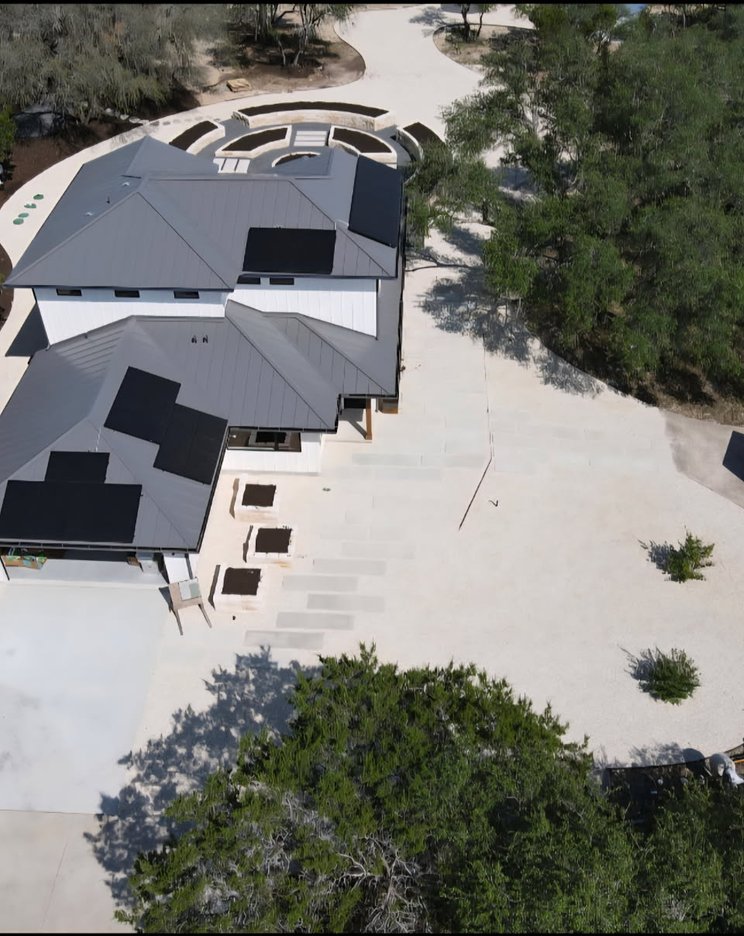
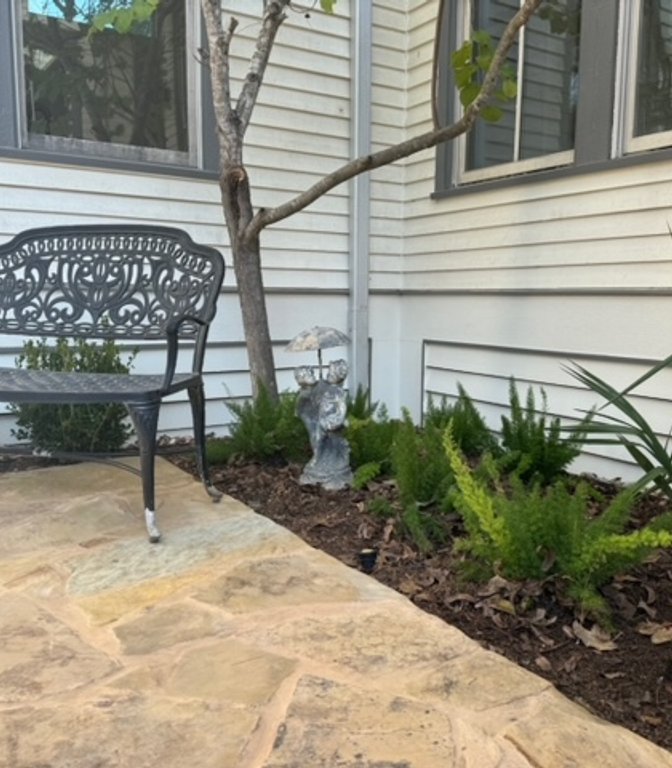
Built For Austin’s Clay & Caliche
Raised, In-Ground & Flower Beds
The right bed depends on your soil, your slope, and what you want to grow. Here is how the bed types we build most often compare for an Austin lot. Every bed is built on the right soil blend with drainage planned in from the start.
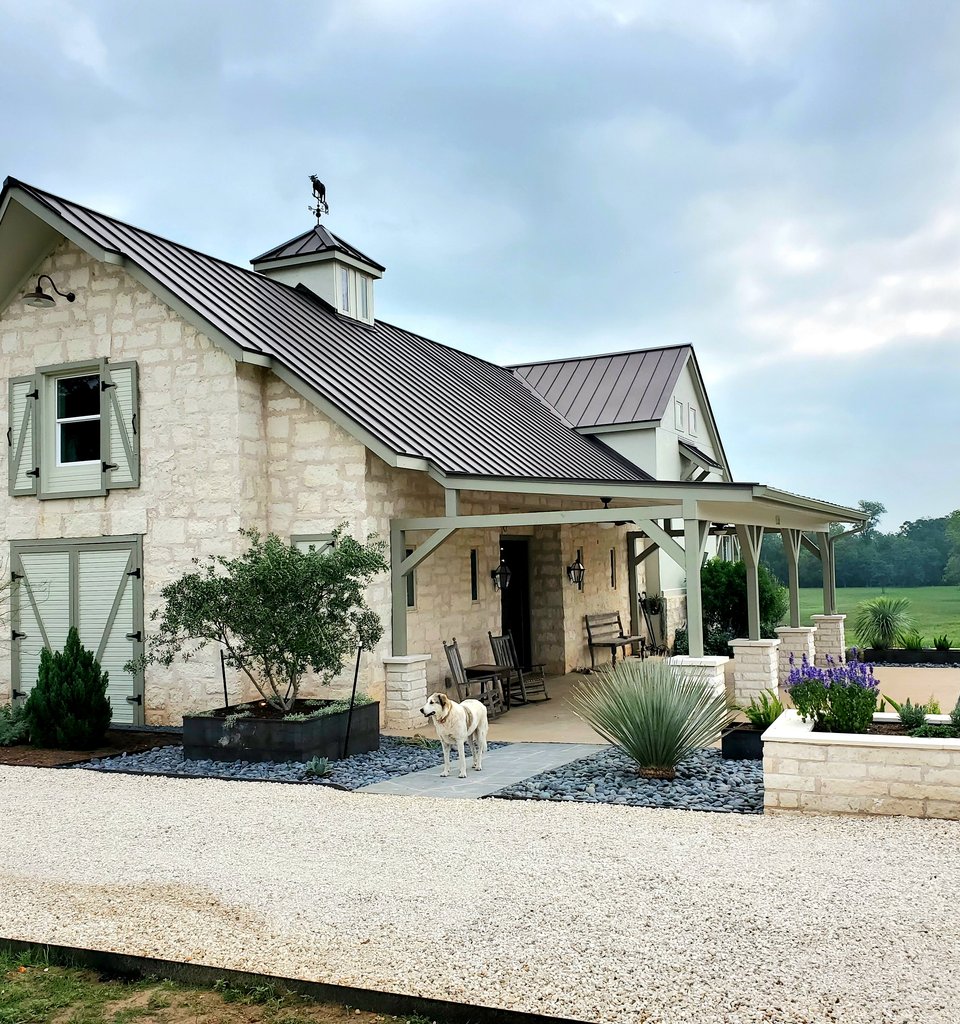
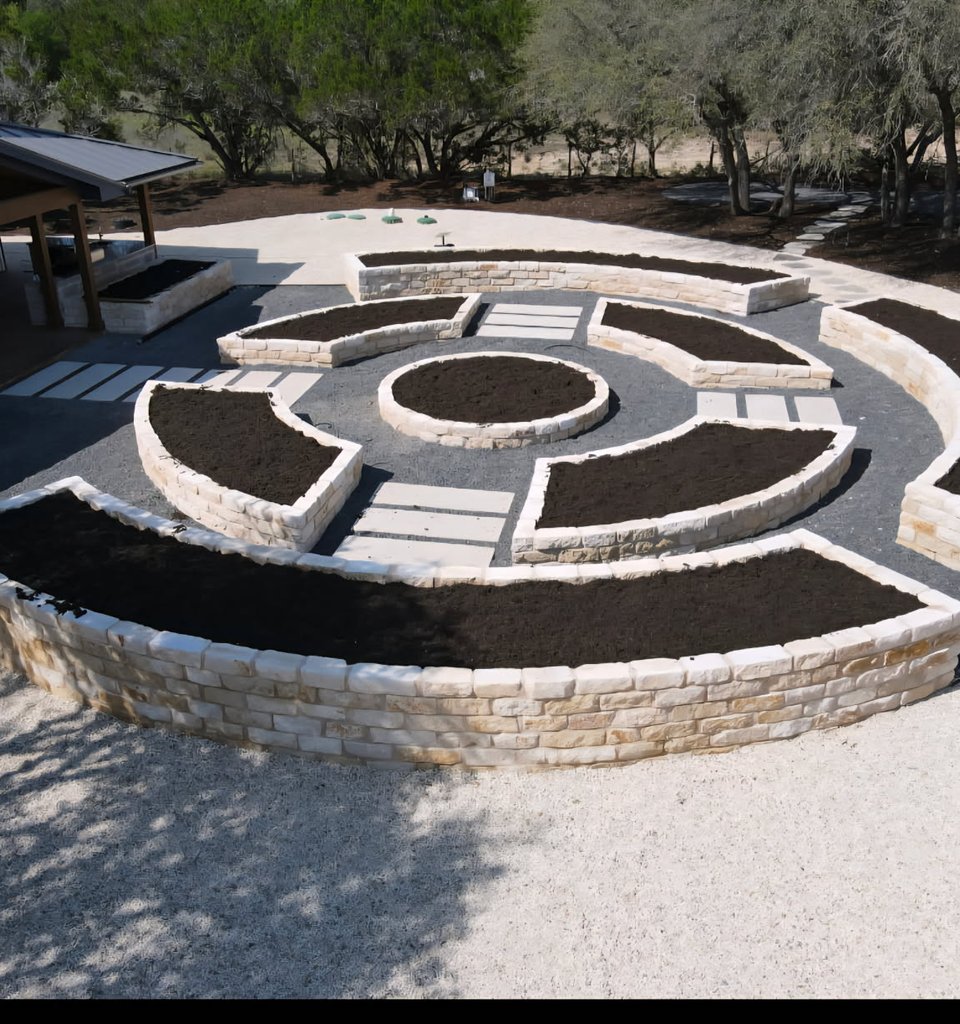
Request A QuoteBuilt up above grade and framed in steel, stone, or wood, then filled with a quality soil blend. Raised beds drain better than heavy clay, warm up faster in spring, and let roots grow above shallow caliche. They are our go-to for vegetables, herbs, and flowers on tough Austin ground.
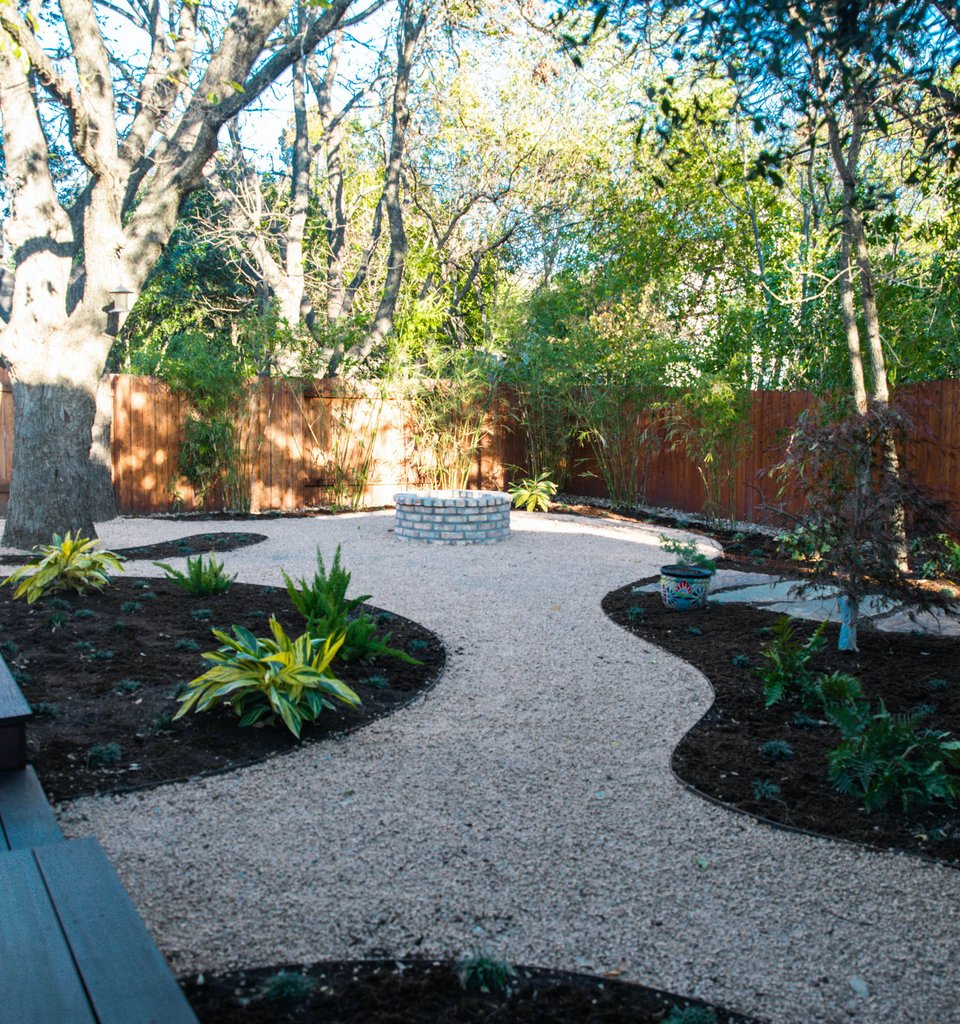
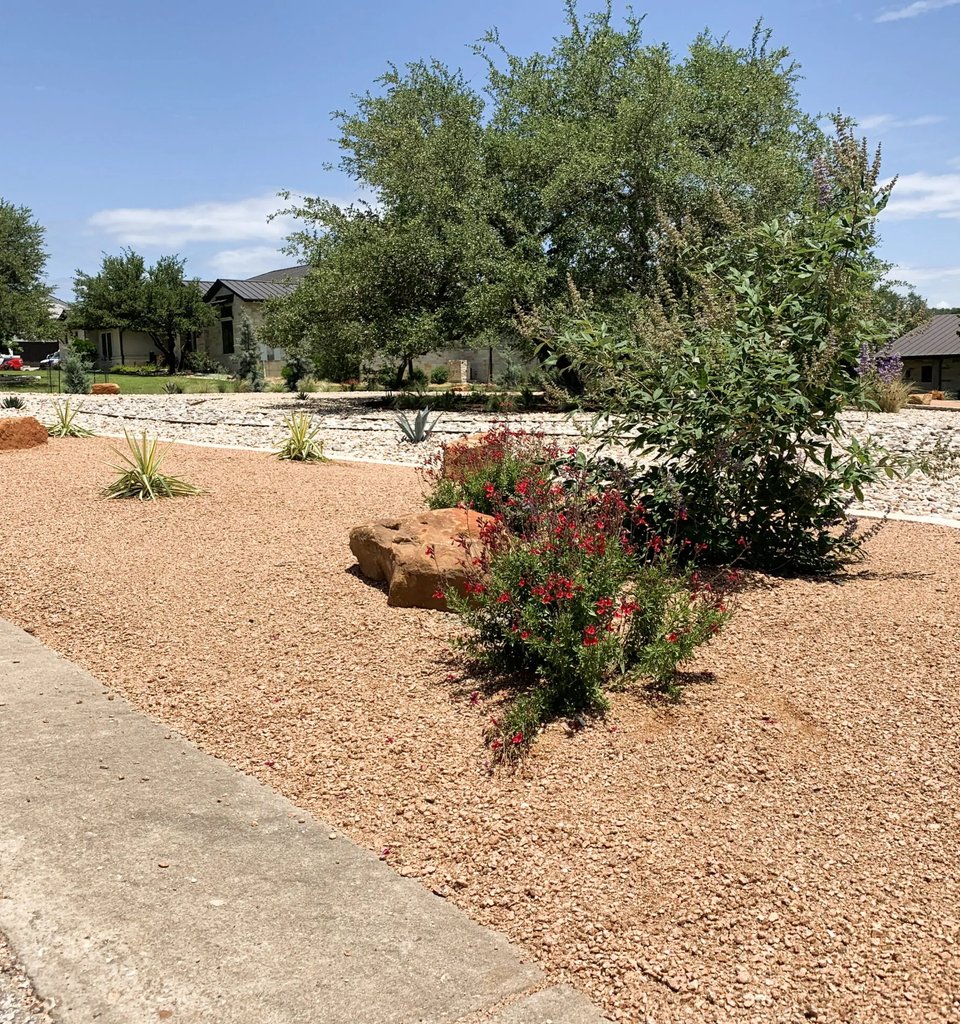
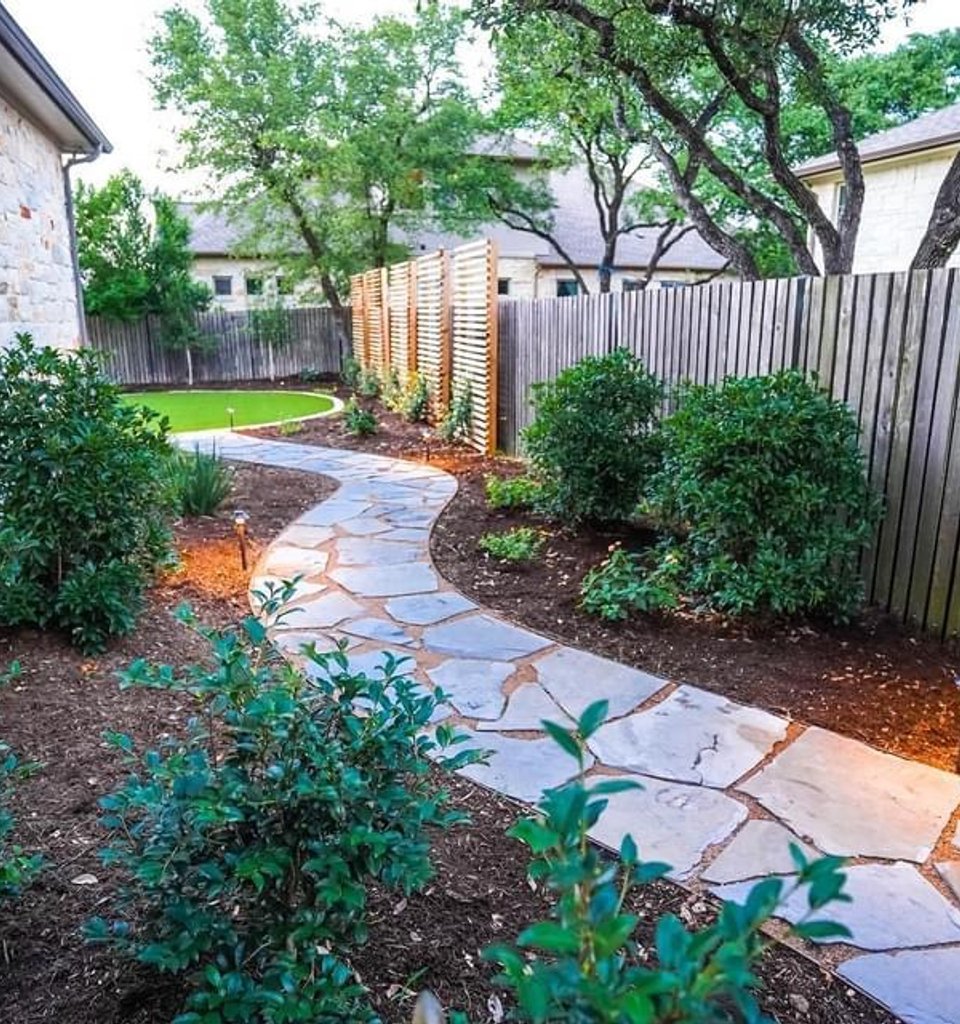
Cut into the yard, amended, edged, and mulched, then planted with shrubs, perennials, and ornamental grasses. In-ground beds cost less than raised beds and look natural along a fence, a walkway, or the front of the house. They work well where the native soil already drains.
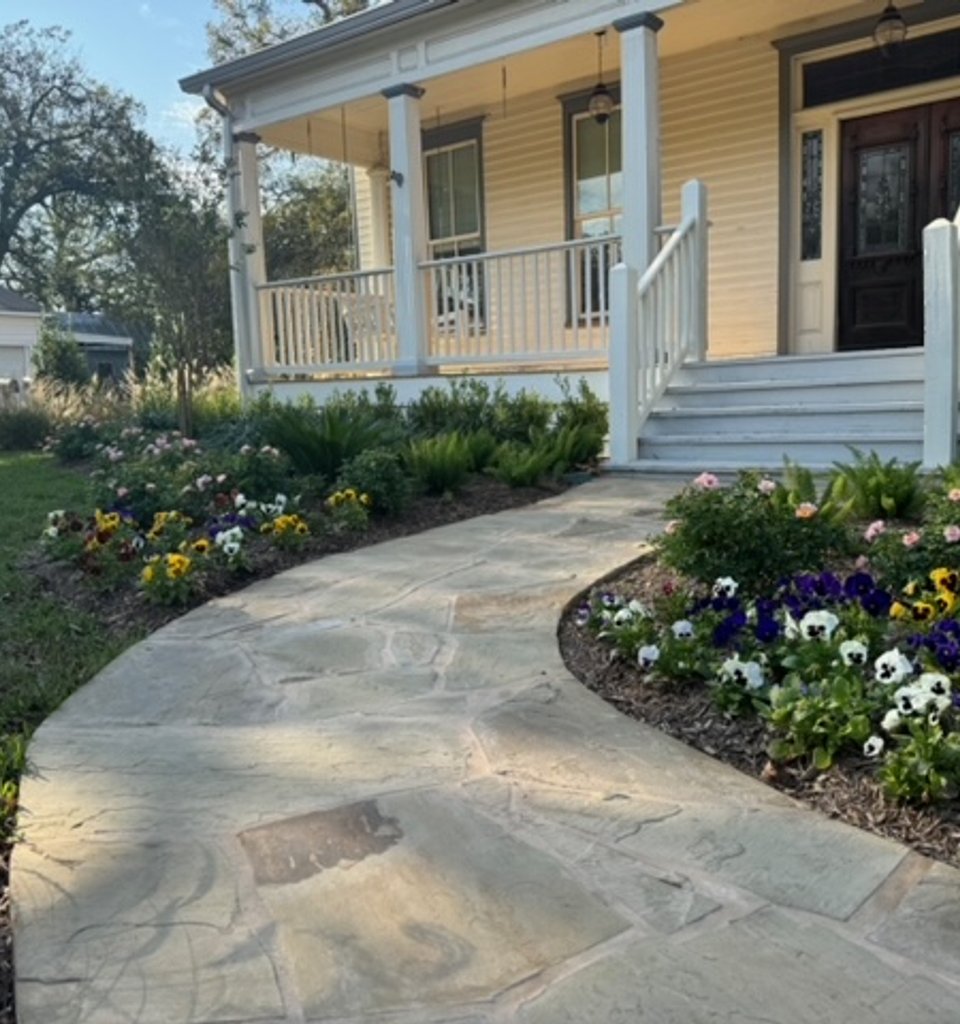
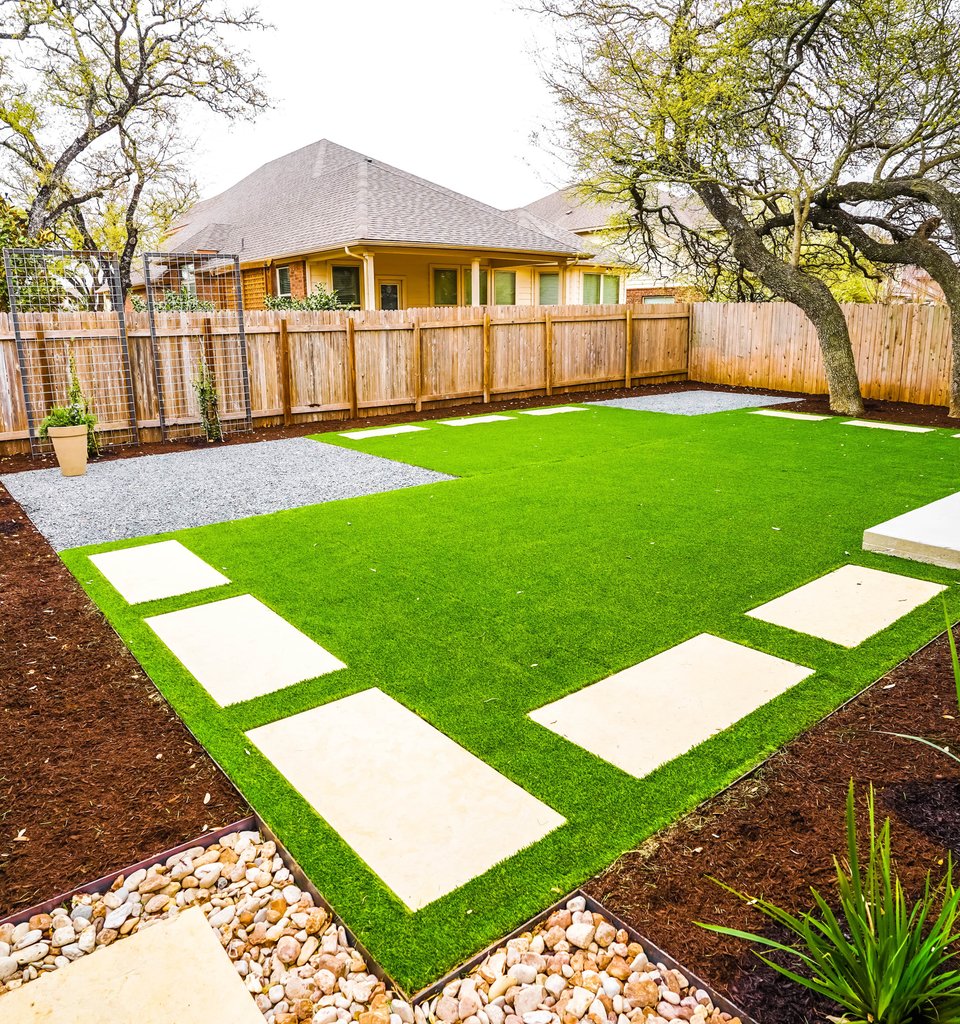
Planting beds focused on color, mixing perennials and annuals for seasonal blooms. We lean on drought-tolerant, deer-resistant picks so the color holds through a dry Texas summer without a big water bill. Steel edging keeps the border crisp against the lawn.
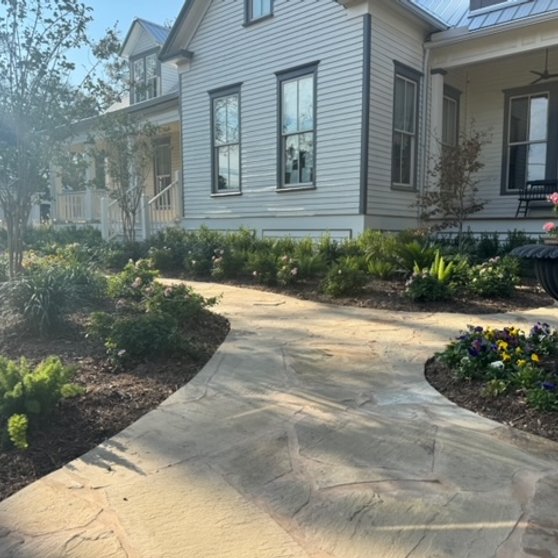
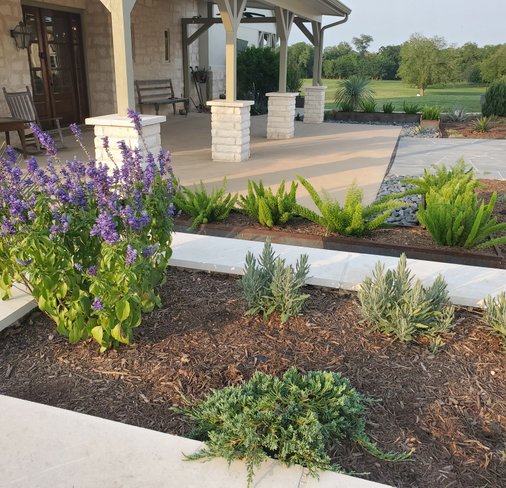
Why Choose Thrive Landscape and Design?
Soil Done Right
We amend Blackland clay with compost and expanded shale, never sand, and build beds up over caliche. Good soil and real drainage are why our beds thrive instead of staying soggy or rock-bound.
Drainage In Heavy Clay
East-Austin clay drains slowly and drowns roots. We raise the root zone and grade beds to move water away, instead of digging a compost-filled hole that traps water like a bowl.
Drought & Deer Smart
We plant drought-tolerant, mostly native species and deer-resistant picks for Hill Country lots. That cuts your water bill, fits City of Austin watering rules, and keeps deer from eating your beds.
Veteran-Owned, 20+ Years
We are a veteran-owned, design-build landscaper with over 20 years in Central Texas and a 5.0 Google rating from 70+ reviews. You work with the team that designs and plants your beds.
Austin’s Go-To Garden Bed Installer
We design and install garden beds, flower beds, and raised beds across Austin and the surrounding Hill Country, from Blackland clay lots in town to caliche and limestone lots out west, with full attention to local soil, drainage, deer pressure, and HOA requirements.
Frequently Asked Questions
Most garden bed installation in Austin runs from a few hundred dollars for a small flower bed to several thousand for large raised beds with steel edging, amended soil, and full planting. The price depends on bed size, edging material, how much soil and compost we bring in, the plants you choose, and raised versus in-ground. Digging through caliche or limestone on a west-Austin lot adds labor. We give itemized, on-site estimates for free.
It depends on your lot. East and central Austin sit on heavy Blackland clay that drains slowly, so raised beds filled with a quality blend often work best. West Austin and the Hill Country sit on caliche and limestone, where shallow rock makes digging hard, so raised beds let plants root above the rock. In both cases we amend with compost and expanded shale, not sand, since sand binds with clay. We match the bed to your soil during a free visit.
Often, yes, but not always. Raised garden beds give you control over the soil, drain better than heavy clay, and warm up faster in spring, which is why they do well across Central Texas. In-ground beds cost less and suit lots with decent soil and good drainage. On Blackland clay or thin caliche, raised beds usually win because you are not fighting the native ground. We help you weigh cost, look, and drainage so you pick the right bed.
Yes. Blackland clay holds water and drains slowly, which can rot roots. A raised bed lifts the root zone above that wet clay and fills it with a blend that drains freely. We avoid a common mistake: digging a hole in clay and filling it with loose compost, which creates a bowl that traps water around the roots. Instead we build the whole bed up and grade it so water moves through and away. That is the difference between a bed that thrives and one that stays soggy.
We lean on tough, drought-tolerant, mostly native plants that handle Austin heat and water limits. Salvia greggii, lantana, yarrow, blackfoot daisy, and ornamental grasses all bloom hard on little water once established. For Hill Country lots with deer pressure, we choose deer-resistant plants with aromatic, tough, or fuzzy leaves that deer tend to skip. These choices cut your water bill and your replacements, and they stay attractive through a dry Texas summer.
If your neighborhood has an HOA, you may need approval before we install beds, especially in front yards. Many HOAs review the bed location, the edging material, the bed dimensions, and the plant list before they sign off. We have worked in HOA communities across Austin, Round Rock, Cedar Park, and the Hill Country, and we can prepare a simple plan and material list to submit. Starting that review early keeps your project on schedule.
Fall is the best time to install garden beds and set most plants in Austin. Cooler air and warm soil let roots establish through fall and winter before summer heat arrives. Spring is the next best window. We build beds year-round, since the bed construction and soil work are not season-locked, and we time the planting to give your new beds the best start. We also follow City of Austin watering rules and can pull a new-planting variance when one is needed.
The terms overlap. A raised garden bed is built up above grade, often framed in steel, stone, or wood, with imported soil, and it suits vegetables, flowers, and herbs. A landscape bed or planting bed is usually an in-ground bed cut into the yard, edged and mulched, and planted with shrubs, perennials, and grasses. A flower bed is simply a planting bed focused on color. We build all of them, and the right one comes down to your soil, your look, and what you want to grow.