

By July, a lot of Austin backyards have the same problem. The patio bakes. The afternoon sun pours in hot from the west, the slab radiates heat into the evening, and the space you paid to build sits empty until the sun drops behind the trees. The answer is shade, and the two structures homeowners ask us about most are a pergola and a patio cover. They can look alike in a photo, but they solve the heat in very different ways, and they do not cost the same.
We design and build both across Austin and the Hill Country as part of our outdoor structures work, from a simple cedar pergola over a seating area to a full covered patio tied into the roofline. Which one is right comes down to how much sun and rain you want to block, what you want to spend, and the rules on your lot.
What is the difference between a pergola and a patio cover?
The short version: a pergola has an open roof, and a patio cover has a solid one.
A pergola is a frame with rafters or slats on top and open sky between them. It filters the sun into dappled shade and lets breeze and light through, but it does not block rain, and on its own it will not fully beat a direct July sun. Many people fill it in with a canopy, shade cloth, or climbing vines.
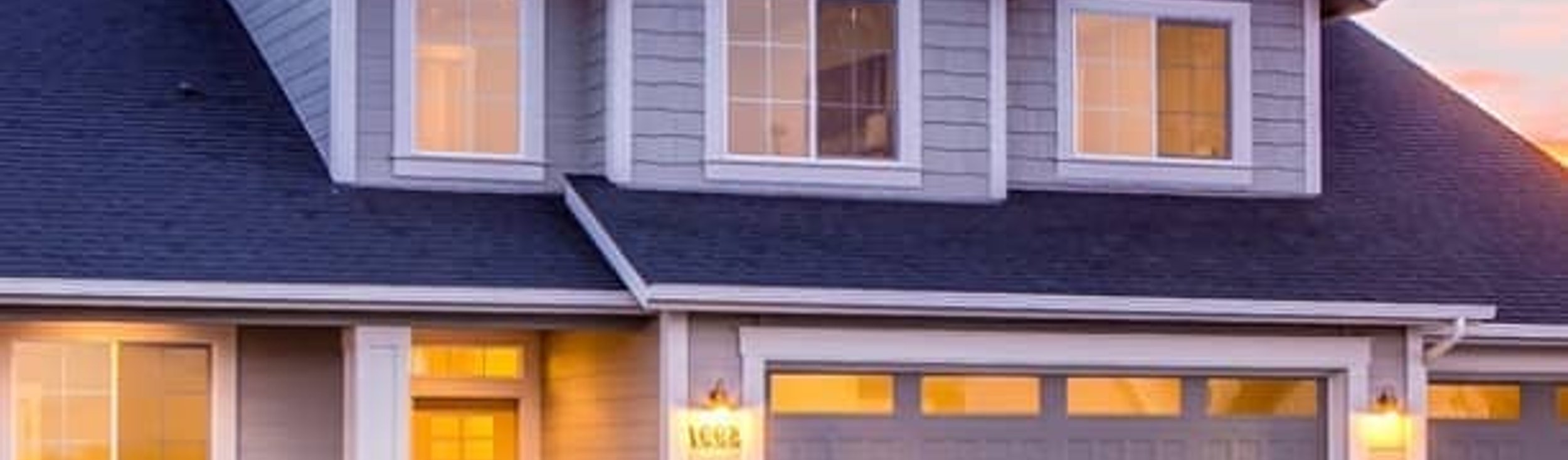
A patio cover has a solid roof, often built to match the house, so it blocks the sun completely and keeps the rain off. You trade the airy feel of a pergola for real, all-day shade and a dry patio in a storm.
Neither is "better." They are different tools:
- Want an architectural feature, filtered light, and an open feel? A pergola fits.
- Want to sit outside at 4 p.m. in August, or keep furniture dry? A patio cover, or a louvered pergola, does more work.
A freestanding gazebo or arbor is a third option for shading a spot away from the house, like a garden seat or a spa.
How much does a pergola or patio cover cost in Austin?
Cost is where the two really split. Here are the ballpark ranges we see in the Austin area. Treat them as estimates, not quotes, since the site drives the number more than anything.
- Wood pergola, standard size, freestanding: roughly $6,000 to $15,000 built.
- Larger or custom cedar pergola: commonly $15,000 to $30,000 and up.
- Solid-roof patio cover tied into the house: often $20,000 to $40,000 or more, since it is a roofed, permitted structure.
- Louvered aluminum pergola: the premium option, frequently $25,000 to $50,000 and up depending on size and motorization.
People often search by size, like a 20 by 20 patio. Pergolas tend to land around $40 to $70 per square foot, while solid covers and louvered systems run higher. What moves your number:
- Size and span, since bigger tops need heavier posts and footings.
- Material, with pine cheapest and aluminum or steel priciest.
- Attached vs. freestanding, since tying into the roofline adds framing and usually a permit.
- The ground, since footings in caliche and limestone take more work than soft soil.
The honest move is a real number for your yard. We often pair the structure with a new flagstone or paver patio underneath and quote it all together through our design-build process.
Which material holds up best in the Texas sun, cedar, aluminum, or steel?
Central Texas is hard on building materials. We sit in USDA hardiness zone 8b to 9a, and a shade structure here takes months of direct sun, sudden downpours, and big humidity swings. Material matters.
Cedar
The classic pergola material here. It resists rot and insects and has a warm look that fits the Hill Country. The catch is upkeep: to hold its color in our sun it needs a fresh seal or stain every couple of years, or it weathers to gray.
Pressure-treated pine
The budget choice. Strong and cheap, but it wants regular sealing and will not hold a finish for long. Good for a tight budget or a structure you will not keep for decades.
Aluminum
The lowest-maintenance option, and the one we steer a lot of sun-baked patios toward. Powder-coated aluminum will not rot, rust, warp, or feed termites, and it holds its finish for years with a wash. It costs more than wood, and nearly every louvered pergola is built from it.
Steel
The longest, cleanest spans and a modern look that suits newer East Austin builds. It is strong, but it must be finished well so it does not rust, and it is the heaviest to work with. We skip vinyl for large structures, since intense UV can make it brittle over time.
Should it attach to the house or stand freestanding?
Both work, and the right call depends on where you want the shade and how your house sits.
An attached structure connects to the wall or roofline and shades the patio right off the back door. It feels like an extension of the house and takes more care to build: flashing so water cannot get behind the siding, framing tied into the existing roof, and almost always a permit.
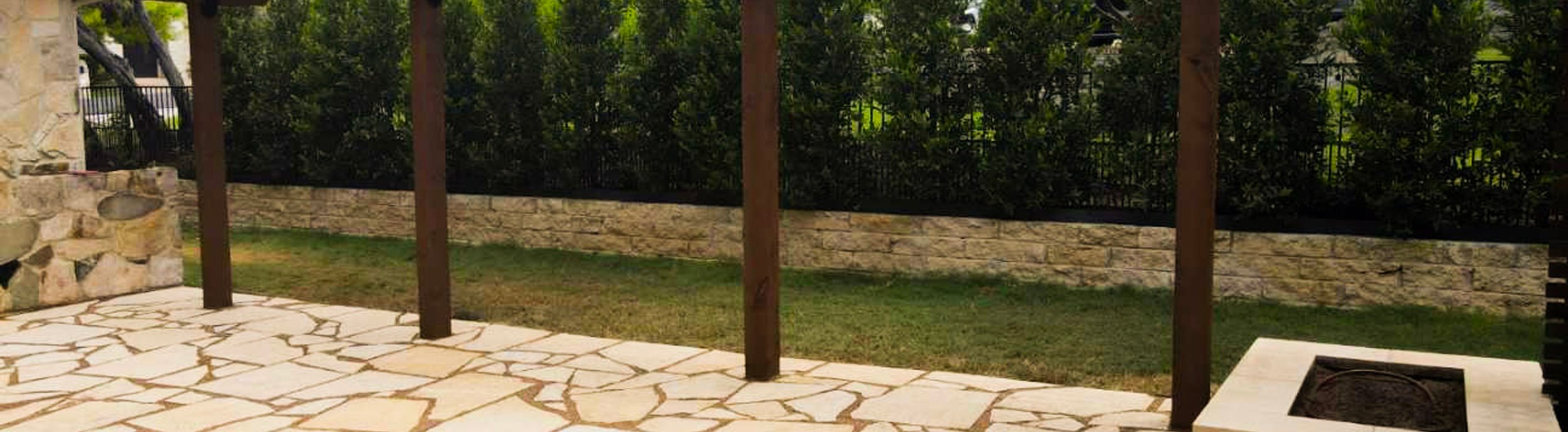
A freestanding structure sits on its own posts wherever you want it, so you can shade a spot away from the house, catch a view, or dodge the worst western sun. Our Lakeway Trellis and Patio project is a good example, where a freestanding cedar pergola anchors a flagstone patio and fire pit out in the yard.
Either way, the footings make or break it. In our expansive clay, caliche, and limestone, posts have to be set to stable depth so the structure does not heave or lean when the soil swells and shrinks. We also grade and handle drainage so water sheds away from the footings after a hard rain.
Is a louvered (adjustable-roof) pergola worth it in Austin?
For a lot of our clients, this is the sweet spot. A louvered pergola has aluminum slats in the roof that pivot open and closed. Open them for breeze and dappled light, tilt them to block the afternoon glare, or close them flat into a watertight roof that channels rain into gutters built into the frame. Many add rain and wind sensors that close the roof on their own when the weather turns.
That range is what our climate calls for. Austin gives you blazing sun most of the summer and then a sudden downpour out of nowhere, and a louvered roof lets you dial in the shade for both. The trade-off is cost. A motorized system is the most expensive shade structure you can build and adds mechanical parts a plain wood pergola does not have. It earns its price over a patio you want to use year-round.
Do you need a permit or HOA approval to build one in Austin?
Usually, yes, and it depends on whether you are adding a roof.
A patio slab on its own does not need a building permit. Add a solid roof, and it becomes a roofed structure the City of Austin generally wants permitted, with a site plan and structural details reviewed by Development Services. The city's list of work exempt from building permits covers only narrow cases like a small detached deck, so most covered patios and anything attached to the house fall outside it. An open pergola can be a grayer area depending on its size and whether it attaches to the home, so confirm with the city first.
Watch impervious cover too. A solid roof usually counts toward the impervious cover limit on your lot, while an open pergola is treated more leniently since rain still reaches the ground through it. That difference matters on tight lots, which is one of the realities in our guide to resort-style backyards in Westlake Hills and Lakeway.
Many neighborhoods also run their own HOA design review. Circle C, Mueller, and Steiner Ranch will often want to approve the look first. We handle the permitting and HOA paperwork as part of design-build, so the project keeps moving.
Does a pergola or patio cover add value to your home?
A well-built shade structure adds real, usable outdoor living space, and it does it in a climate where buyers value shade. A covered patio can turn a backyard that sits empty all summer into a room the family uses nine months a year, which is an easy story for a future buyer to picture.
We would not promise a dollar-for-dollar return, since that depends on the market and the build. The best results come when the structure is designed as part of the whole yard, the thinking behind every outdoor living space we build and our guide to outdoor living spaces built for Texas summers.
What are the downsides of a pergola, and how do we design around them?
Pergolas are popular for good reason, but it helps to know the trade-offs:
- An open pergola does not block rain, and it only filters the sun. For full shade or a dry patio, you need a canopy, shade cloth, louvers, or a solid cover.
- Wood needs maintenance. Cedar and pine both want regular sealing to survive our sun.
- It does not have to cover the whole patio. Often it looks and works better to shade the seating or dining zone and leave the rest open, which also keeps cost and impervious cover down.
One more Central Texas detail: many yards here come with mature live oaks worth protecting. We set footings around root zones instead of through them, and we follow the Texas A&M Forest Service oak wilt guidance: no oak pruning from February through June, and paint every cut right away. We also wire in low-voltage landscape lighting while the structure goes up.
Ready to add shade to your Austin backyard?
The right shade structure comes down to how much sun and rain you want to block, your budget, and the rules on your lot. A pergola gives you an open feel and filtered light. A solid patio cover gives you full, dry shade. A louvered pergola splits the difference and lets you choose day to day.
We design and build all three across Austin and the Hill Country, sized to your patio, your soil, and how you live outside. Take a look at our recent projects to see how we handle real Central Texas yards, then request a free quote. We will walk your property, talk through pergola versus patio cover for your spot, and design shade you will use all summer.